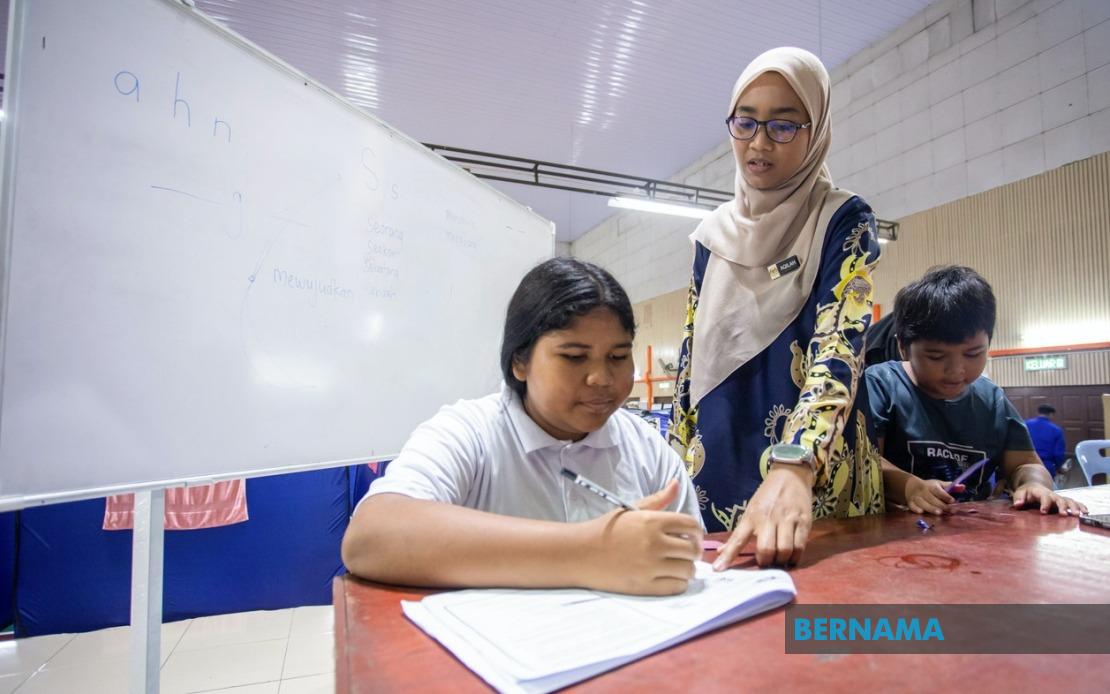
The Education Ministry is intensifying efforts to bolster mental health services across the nation's schools in response to the recent death of a female teacher in Hulu Selangor, Education Minister Fadhlina Sidek announced on Saturday. The tragic incident has prompted renewed focus on the psychological welfare of educators and the broader school community, with the ministry vowing to address lingering concerns among both teachers and the general public.
Fadhlina, who has a background as a mental health activist before entering politics, described the matter as particularly significant to her personally and professionally. Her previous work in advocacy positions her to understand both the systemic gaps in mental health provision and the lived experiences of those struggling with psychological challenges. The minister's emotional investment in the issue signals a ministerial commitment that extends beyond routine administrative responses to what many recognise as a critical gap in occupational support for educators.
The ministry has previously indicated collaboration with multiple stakeholders to address mental wellness concerns. Working alongside non-governmental organisations, the Health Ministry, and school counsellors, the Education Ministry has attempted to create a multi-layered support infrastructure. However, recent events suggest these existing frameworks may not be sufficiently comprehensive or accessible to reach those most in need, prompting the minister's call for intensified efforts moving forward.
Fadhlina acknowledged that substantially more work remains to transform mental health support from a peripheral concern into an integral component of school operations. Her public statement recognised the cumulative burden many educators face, from classroom pressures to administrative demands and broader societal expectations. By stating that teachers are "not alone," she attempted to counteract the isolation that often accompanies mental health struggles in professional settings.
The minister appealed to all stakeholders to exercise restraint in discussing the circumstances surrounding the incident, requesting that the public refrain from speculation while allowing police investigations to proceed. This measured approach reflects an attempt to balance transparency with respect for the deceased's family and the integrity of ongoing inquiries. The call for discretion also seeks to prevent premature conclusions that might obscure the actual factors contributing to the tragedy.
Fadhlina specifically urged the teaching profession to adopt more proactive peer support mechanisms. She advocated for colleagues to regularly check on one another's wellbeing, engage in genuine listening, and create safe spaces where concerns can be shared without judgment or stigma. The minister emphasised that seemingly minor gestures—a sincere conversation or expression of care—can provide meaningful emotional sustenance during difficult periods.
The incident highlights the particular vulnerability of educators in Malaysia, who operate within a system characterised by competing demands, high workloads, and often insufficient recognition of their contributions. Teachers navigate not only classroom management and curriculum delivery but also increasing expectations around pastoral care, administrative compliance, and community engagement. The psychological toll of these multifaceted responsibilities frequently goes unacknowledged in broader discourse about education sector challenges.
Mental health support within schools remains underdeveloped across Southeast Asia more broadly. While Malaysia has made incremental progress in recent years, disparities exist between urban and rural areas, and access to qualified counsellors remains inconsistent. The tragedy in Hulu Selangor underscores how institutional awareness of mental health issues does not automatically translate into preventive action or timely intervention capacity.
The Education Ministry's commitment to strengthening psychosocial services reflects a growing recognition that educator wellbeing directly impacts educational quality and student outcomes. Teachers experiencing psychological distress often struggle to maintain effectiveness in the classroom, creating cascading effects on student learning and school environments. Conversely, robust mental health support systems enhance staff retention, reduce burnout, and foster more supportive institutional cultures.
Implementing enhanced psychosocial support will require sustained funding, training, and institutional transformation. The ministry must move beyond awareness-raising to concrete programme expansion, ensuring adequate counsellor-to-student ratios, accessible mental health services, and workplace cultures that reduce stigma around seeking help. Professional development for school leaders should include mental health literacy to enable early identification of struggling colleagues.
The incident also raises questions about prevention versus intervention. While immediate crisis support is essential, longer-term systemic change requires addressing underlying stressors within the teaching profession itself. This might include workload review, improved compensation, enhanced professional recognition, and clearer boundaries between professional and personal time.
Moving forward, the Education Ministry faces the challenge of translating ministerial commitment into tangible, sustainable changes that reach educators throughout Malaysia's geographically dispersed school system. Success will depend on adequate resourcing, cross-agency coordination, and cultural shift that positions mental health as a non-negotiable aspect of occupational support rather than an optional supplement.

