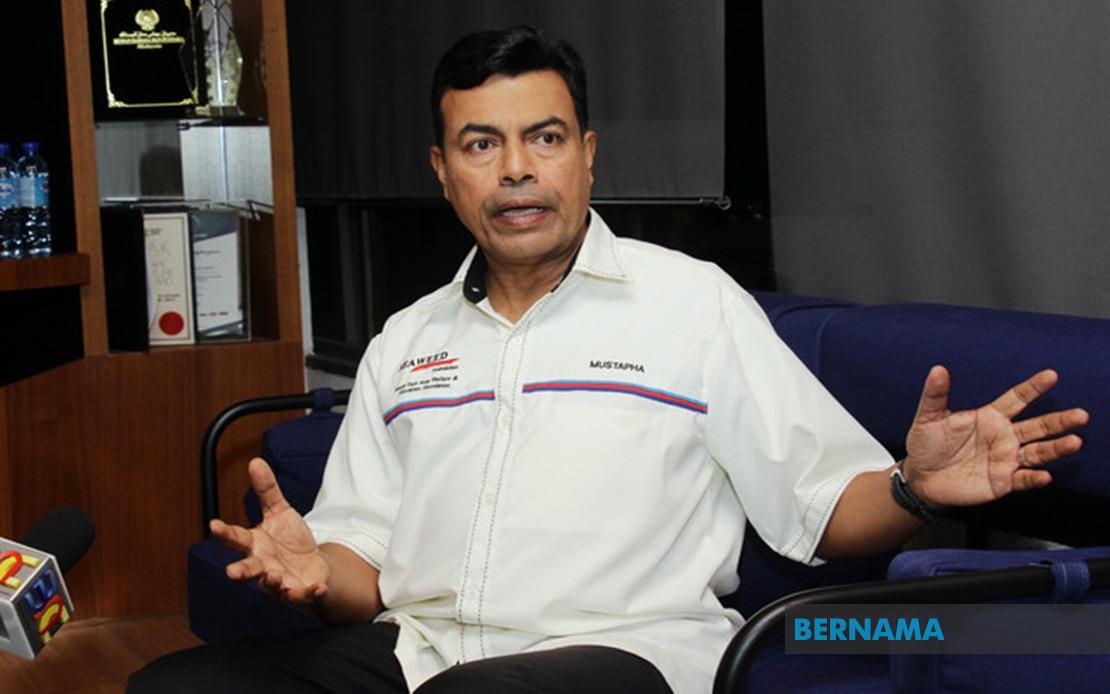
The South East Asia Welfare and Education Foundation has renewed calls for the Education Ministry to create a dedicated institutional framework tasked with safeguarding student wellbeing in Malaysian schools. Speaking in Semporna, SEAWEED chairman Datuk Dr Mustapha Ahmad Marican argued that such an agency would systematically address mounting concerns around campus safety and reduce the administrative strain on teachers forced to juggle teaching responsibilities with disciplinary duties. The proposal reflects growing anxiety within education circles about the adequacy of current safeguarding mechanisms across the country's school system.
Mustapha's intervention arrives amid persistent reports of bullying, gang activity, and weapon-related incidents within secondary schools nationwide. He contended that delegating safety oversight to individual institutions, however well-intentioned, has proven insufficient to combat entrenched behavioural problems. A centralised authority with statutory powers would establish consistent standards, conduct independent investigations, and coordinate interventions across different states and school districts. This structural separation would also insulate schools from perceptions of conflicts of interest when managing serious breaches of conduct.
The proposal carries particular weight given Malaysia's demographic profile and the competitive academic environment that shapes school culture. Adolescent mental health pressures, intensified by social media exposure and intensifying peer hierarchies, have coincided with isolated but alarming episodes of school violence. Creating a dedicated agency would signal governmental commitment to treating student safety as a non-negotiable public health priority rather than an ancillary concern relegated to pastoral care departments.
International precedent buttresses Mustapha's argument. The United Kingdom maintains robust legal frameworks and dedicated inspectorates that evaluate safeguarding policies as part of regular school audits, while Australian states operate coordinated systems linking schools, law enforcement, and child protection services. These jurisdictions treat student welfare as a cross-institutional responsibility requiring specialist expertise in adolescent psychology, threat assessment, and trauma-informed practice. Malaysia's education system, by contrast, lacks comparable coordination mechanisms, leaving vulnerable students dependent on the capacity and awareness of individual school administrators.
The proposed body could function as either a ministry division or an autonomous statutory authority with independent investigative powers. An independent structure would offer advantages in credibility and perceived impartiality, particularly when examining complaints against education officials or exploring systemic failures. However, embedding the function within the ministry would ensure tighter alignment with curriculum development and teacher training initiatives, creating feedback loops that address root causes rather than merely responding to incidents after they occur.
Mustapha specifically highlighted bullying-related injuries as warranting urgent attention. Incidents that leave students physically harmed often indicate escalated aggression that school-level responses have failed to contain. A dedicated agency could establish threshold criteria triggering mandatory police referrals, psychological assessment protocols, and victim support pathways currently fragmented across multiple departments. This professionalisation would transform school safety from an ad-hoc matter into a coordinated domain governed by evidence-based practices.
Weapon prevention emerged as another pressing concern. Mustapha advocated regular bag inspections as a deterrent and detection mechanism, suggesting that systematic scanning could disrupt the casual movement of knives and similar objects into campus environments. Such measures, when framed as protective rather than punitive, command broad stakeholder support and provide tangible safeguards against the sudden escalation of disputes into physical violence. Implementation would require clear protocols balancing privacy expectations with institutional security needs.
Understanding the psychosocial dimensions of bullying and gang recruitment demands research grounded in Malaysian contexts. Mustapha stressed the importance of investigating how academic pressure, socioeconomic disparities, and digital communication technologies interact to produce environments where aggression flourishes. A dedicated agency could commission longitudinal studies tracking cohorts across transitions, identifying intervention points and measuring the effectiveness of different preventive approaches. This evidence base would replace reactive crisis management with anticipatory strategies.
The proposal's timeliness reflects growing recognition that teachers cannot be expected to simultaneously deliver curriculum content, manage behaviour, investigate safeguarding breaches, and support traumatised peers. Offloading specialist responsibilities to a dedicated institution would restore focus to pedagogy and learning outcomes. Teachers would transition from investigators to reporters and collaborators within a broader protective system, allowing them to concentrate on their core function while ensuring that safeguarding receives appropriate professional attention.
Implementing such a body would require legislative change, budget allocation, and stakeholder consensus across education unions, parent associations, and student advocates. The Ministry of Education would need to clarify the proposed agency's reporting lines, accountability mechanisms, and interaction with existing structures including school counsellors, police youth units, and the Department of Social Welfare. Regional coordination would be essential given the federal-state distribution of education administration in Malaysia.
For Malaysian students, particularly those in vulnerable circumstances experiencing bullying or coercion, an independent safeguarding authority could represent a significant reform. Knowing that complaints reach trained professionals with statutory authority to investigate and intervene would empower reporting and reduce the sense of abandonment that currently silences many victims. The framework would signal that student dignity and physical security rank among government priorities alongside academic achievement.
The NGO's call also resonates within Southeast Asia's broader education landscape, where similar concerns about school safety animate debates in neighbouring countries. Regional adoption of coordinated safeguarding models could facilitate knowledge-sharing and capacity-building across the Association of Southeast Asian Nations, elevating protection standards across a region where adolescent vulnerability remains insufficiently addressed within institutional structures. Malaysia's response will likely influence discussions in other ASEAN capitals wrestling with comparable challenges.

