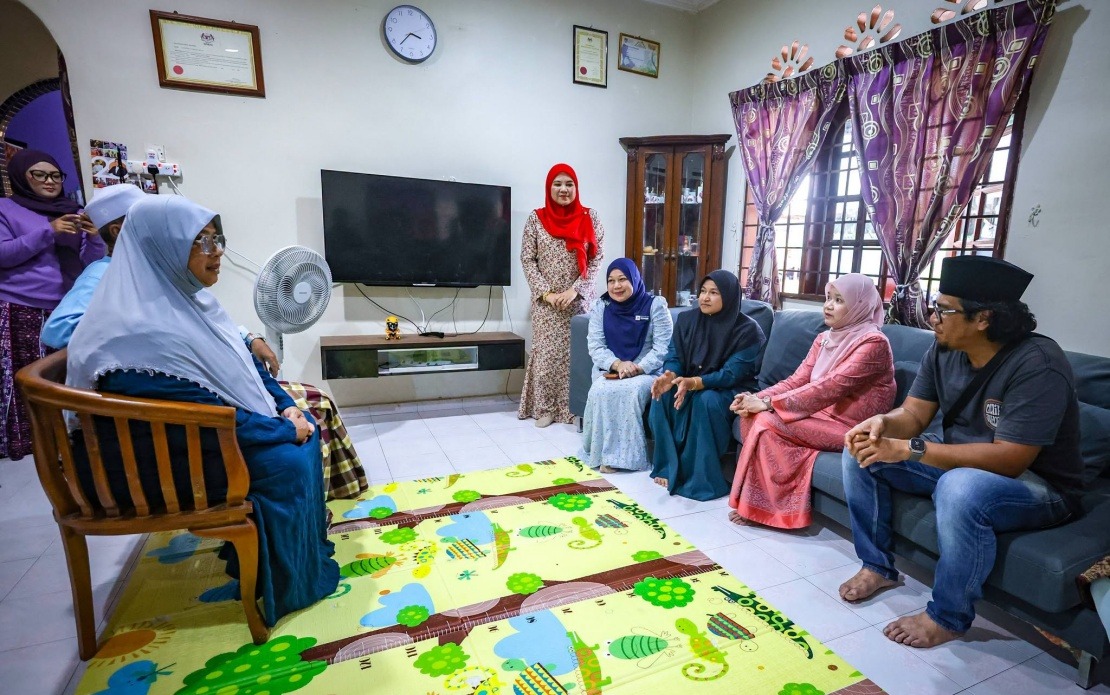
Education Minister Fadhlina Sidek made a compassionate visit to the home of a bereaved family in Melaka on June 26, paying her respects to the parents of Muhammad Raiyan Nufael, a Form Two student whose sudden death has sent shockwaves through the local school community. The minister's personal appearance at the residence underscored the gravity with which Malaysia's education leadership views such tragic incidents involving young people in school-based activities.
The 14-year-old student collapsed during a rugby training session at a school in Telok Mas on Wednesday evening, succumbing to his injuries at approximately 6 pm. According to accounts of the incident, the teenager had been participating in the training for only about 15 minutes when he began experiencing severe breathing difficulties. The onset of his distress occurred during a break in the session, as he was listening to instructions being delivered by the coach.
Through a Facebook statement, Fadhlina Sidek conveyed the Ministry of Education's deepest sympathies to Muhammad Raiyan Nufael's parents. Her message reflected both official condolence and spiritual sentiment, invoking prayers for the departed soul and expressing hope that the family would find the inner resilience needed to endure their profound loss during this exceptionally difficult period.
The sudden nature of this death raises critical questions about medical screening and safety protocols in Malaysian schools, particularly for contact sports such as rugby. While the exact cause of Muhammad Raiyan Nufael's collapse has not been publicly disclosed, the rapid deterioration within such a short training window suggests a potential underlying medical condition that may have gone undetected. This incident highlights the importance of comprehensive health assessments before students participate in physically demanding activities.
Rugby, though less widespread than football or badminton in Malaysian schools, has grown in popularity as an organized sport. The physical intensity of the game means participants face elevated cardiovascular and musculoskeletal demands compared to many other school sports. For young athletes still in their developmental years, the combination of intense exertion and inadequate medical oversight can create dangerous circumstances, as this tragedy demonstrates.
The Education Ministry will likely face pressure to review and strengthen safety guidelines surrounding athletic training in schools nationwide. Questions may emerge regarding whether proper warm-up procedures were followed, if adequate medical personnel were present at the training session, and whether emergency response protocols functioned as intended when the student's distress became apparent. Schools across the country may also need to reassess their approaches to pre-participation screening for students engaging in vigorous sports.
For the school community in Telok Mas and Melaka more broadly, this incident represents a sobering reminder of the unpredictable risks that can arise even within structured, supervised school activities. The loss of a young life in such circumstances generates emotional trauma that extends far beyond the immediate family, affecting classmates, teachers, coaches, and administrators who may grapple with questions of responsibility and prevention.
The ministry's visible response through the minister's personal condolence visit reflects an institutional acknowledgment of both the tragedy and its potential systemic implications. Such gestures, while important for demonstrating care and leadership concern, often precede formal investigations and policy reviews that determine whether safeguarding measures will be strengthened or amended.
For Malaysian parents, this incident raises legitimate concerns about the safety infrastructure protecting their children during school-based physical activities. The tragedy underscores the necessity for schools to maintain current first aid capabilities, access to automated external defibrillators in athletic facilities, and clear communication channels between coaches, medical personnel, and emergency services.
The circumstances surrounding Muhammad Raiyan Nufael's death will likely prompt discussions about whether current regulations governing school sports adequately protect student athletes, or whether additional safeguards—such as mandatory cardiac screening for participants in high-intensity sports—should be considered. Southeast Asia, like many regions, continues to refine its approach to balancing the developmental benefits of school sports with the paramount concern of student safety.

