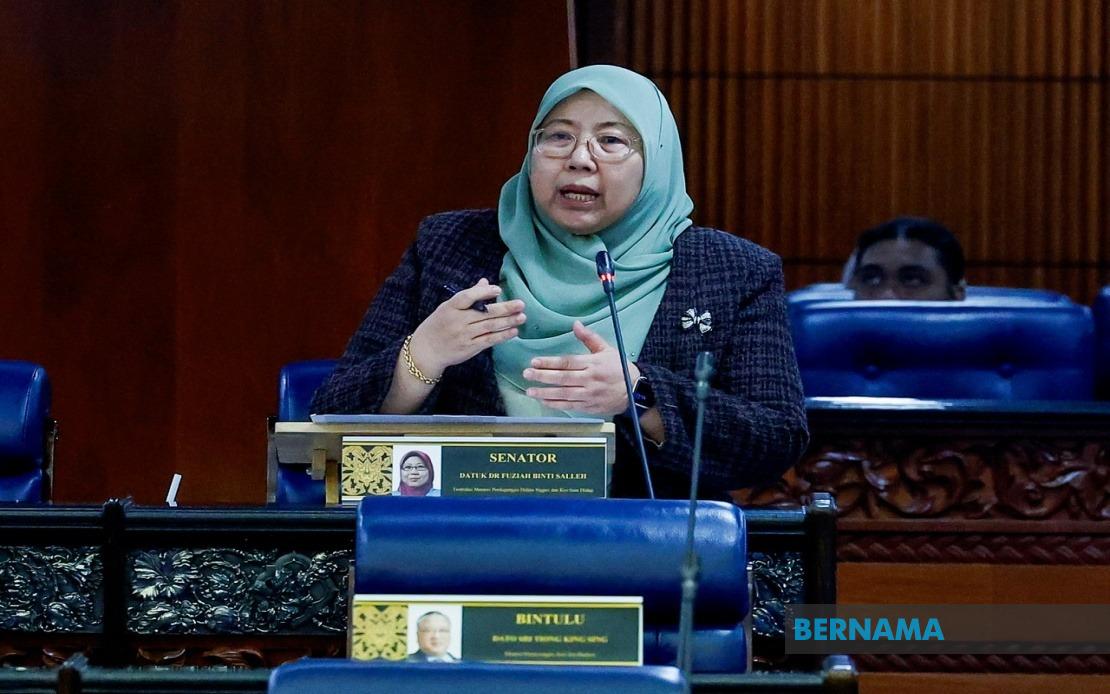
Malaysia's effort to prevent diversion and unauthorised access to subsidised one-kilogramme packets of cooking oil has gained momentum through the eCOSS mobile application, which since its launch in May 2024 has demonstrated meaningful results in market stabilisation and consumer compliance. Deputy Domestic Trade and Cost of Living Minister Datuk Dr Fuziah Salleh highlighted the scheme's achievements during parliamentary proceedings this week, emphasising that two primary performance metrics—consistent market supply levels and a notably low volume of consumer grievances—indicate the system is functioning as intended to safeguard the subsidy programme from leakage to unintended beneficiaries.
The scale of adoption underscores growing user confidence in the digital platform. As of early July, the registration database encompassed 5.261 million Malaysian citizens, demonstrating substantial penetration across the nation's consumer base. This widespread uptake has translated into tangible purchasing patterns, with average monthly acquisitions of subsidised cooking oil packets stabilising at around 18 million units. These figures suggest the application has successfully addressed a longstanding vulnerability in the subsidy system—the informal export or resale of price-controlled cooking oil to foreign nationals and cross-border diversion, which previously drained government resources intended for domestic consumers.
Johor, functioning as one of the initial pilot jurisdictions for the eCOSS rollout, furnishes compelling evidence of the application's operational effectiveness at the state level. The southern state has attracted 580,000 application downloads among its population, whilst 1,093 of its 2,822 registered retailers have integrated eCOSS into their point-of-sale systems. Perhaps most tellingly, the incidence of complaints regarding stockouts of subsidised cooking oil in Johor contracted dramatically—from nine recorded grievances in June 2025 to merely two in June 2026—indicating the system is either preventing genuine shortages or enabling more equitable distribution that reduces consumer frustration.
The government's approach recognises that technology-driven solutions, whilst powerful, cannot be implemented without consideration for demographic segments with lower digital engagement or limited smartphone access. To address concerns raised regarding elderly citizens and rural populations with modest technological literacy, the ministry has orchestrated a multifaceted support framework encompassing direct assistance at retail checkout points, community-based awareness campaigns, instructional video content, and crucially, the preservation of conventional cash-based purchasing mechanisms for those without mobile devices. This hybrid model prevents the subsidy system from becoming inadvertently exclusionary whilst advancing digitalisation objectives.
The eCOSS architecture itself represents a sophisticated evolution in supply-chain monitoring technology tailored specifically to the cooking oil sector's particular vulnerabilities. The mobile application functions as the consumer-facing component of a broader ecosystem that traces subsidised product movements from production refineries through repackaging operations, wholesale distribution networks, and retail establishments, finally terminating with end-user transactions. This granular visibility enables authorities to identify bottlenecks, detect anomalous purchasing patterns, and intervene where diversion or illegal export becomes apparent. The tracking capability extends beyond simple transaction recording to provide real-time intelligence about supply flows, allowing policymakers to distinguish between legitimate shortage events and systemic leakage problems.
Enforcement operations and data analytics serve complementary functions within this framework. Whilst the eCOSS mobile application itself remains primarily a transactional and tracking tool rather than a law-enforcement instrument, the information derived from its monitoring functions—combined with consumer complaint patterns and retailer-level transaction data—furnishes enforcement agencies with actionable intelligence for targeted investigations. This intelligence-led approach represents a departure from the reactive, complaint-driven enforcement models that historically characterised subsidy protection efforts, instead enabling authorities to adopt predictive and preventive strategies.
For Malaysian policymakers and regional observers, the eCOSS experience carries significant implications regarding subsidy programme sustainability. Food and fuel subsidies remain politically sensitive across Southeast Asia, yet their fiscal burdens often prove unsustainable without technological innovations that reduce fraud and waste. Malaysia's success in leveraging mobile technology to protect subsidy integrity whilst maintaining broad accessibility offers a replicable model for other regional governments grappling with similar challenges. The scheme demonstrates that digital infrastructure can serve social protection objectives without necessarily entrenching exclusion, provided policymakers invest concurrently in bridging access divides.
The ministry's commitment to iterative improvement based on user feedback suggests recognition that technological systems require continuous refinement to maintain effectiveness and user satisfaction. As digital adoption deepens and consumer expectations evolve, the eCOSS platform will likely incorporate additional features—potentially including artificial intelligence-driven anomaly detection, enhanced retailer monitoring protocols, or expanded integration with other government assistance programmes. Such enhancements would deepen the system's capacity to serve both subsidy protection and broader social policy objectives simultaneously.
Looking forward, the eCOSS application's proven effectiveness in curbing cooking oil subsidy leakage positions it as a potential template for addressing inefficiencies across Malaysia's broader subsidy apparatus. Other price-controlled commodities, from refined petroleum products to rice and flour, confront comparable diversion challenges. The legislative and administrative frameworks developed for cooking oil oversight might, with appropriate modification, extend to these sectors, creating a more coherent and digitally sophisticated subsidy management infrastructure across the Malaysian economy. This systemic expansion would require sustained political commitment and technical investment, but the groundwork established through eCOSS provides a foundation upon which such expansion could feasibly proceed.

