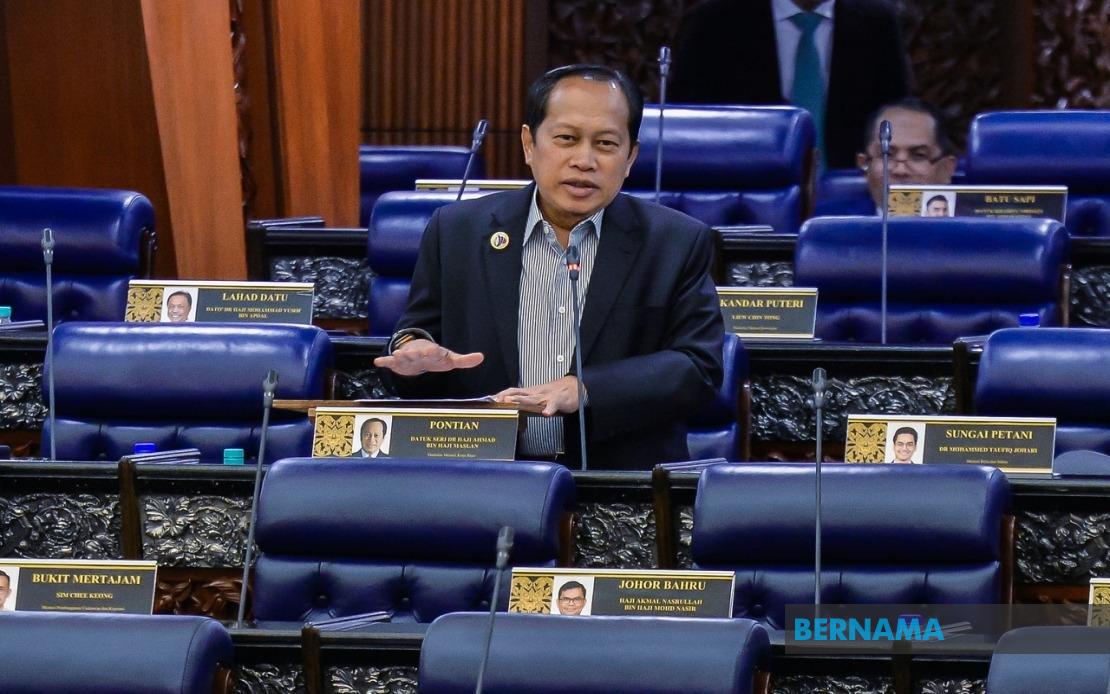
The Malaysian government has elected to pursue the East Coast Expressway Phase 3 (LPT3) through a public-private partnership arrangement, a decision driven by budgetary constraints facing the Federal Government, according to Deputy Works Minister Datuk Seri Dr Ahmad Maslan. Speaking during parliamentary question-and-answer sessions, the minister clarified that the project would operate under a Request for Proposal framework, placing full financial responsibility for development costs on the winning bidder. This approach reflects a broader trend across Southeast Asia where governments increasingly leverage private sector involvement to fund major infrastructure without straining public coffers.
The 122-kilometre expressway will connect Kampung Gemuruh in Kuala Terengganu with Tunjung in Kota Bharu, featuring a dual two-lane carriageway design and five strategically positioned interchanges. A 2022 feasibility study established the project's development cost at RM9.8 billion, though this figure may fluctuate based on final engineering specifications and market conditions. For Malaysian consumers and businesses operating across the East Coast corridor, this infrastructure will prove instrumental in addressing transportation bottlenecks that currently intensify during festive periods including Hari Raya and school holidays. The project forms part of a coordinated transport enhancement strategy aimed at improving connectivity between East Coast and central peninsular regions.
The LPT3 initiative emerges within a complex landscape of competing and complementary transport projects already in advanced development stages. The East Coast Rail Link (ECRL), expected to reach completion, will furnish an alternative mode for residents commuting to the Klang Valley commercial hub. Simultaneously, the Kota Bharu-Kuala Krai Expressway (KBKK) and Lingkaran Tengah Utama (LTU) Expressway are progressing towards completion, each offering distinct routing and economic benefits. Rather than rendering one another redundant, these projects will function as an integrated multi-modal network, enabling East Coast users to select optimal travel solutions based on schedules, cargo requirements, and cost considerations. Ahmad Maslan's parliamentary testimony emphasised that LPT3 would constitute a third viable alternative within this expanding transport ecosystem.
The financial model underpinning the PPP structure introduces additional complexity to the project timeline and operational parameters. Critical variables affecting toll pricing remain unresolved, including construction expenditure volatility, financing arrangements, and operational maintenance budgets. Traffic volume projections conducted by concessionaires will significantly influence both toll rates and long-term financial viability. Equally important are the concession period duration and toll collection methodology, which have not yet been finalised. These outstanding details underscore the negotiation phase ahead between government entities and potential private partners, with implications for commuter affordability and investor returns. Malaysian logistics operators and long-distance transport companies will keenly monitor toll structure announcements, as these costs directly impact freight economics across the peninsular corridor.
Government funding constraints precipitating the PPP decision reflect pressures common throughout Southeast Asia's infrastructure sector. Many regional economies face competing demands for public investment across healthcare, education, and social welfare while simultaneously requiring transportation upgrades to maintain competitiveness. Malaysia's selection of the PPP model allows infrastructure advancement without depleting exchequer resources earmarked for other priorities. However, this approach mandates robust regulatory frameworks to balance concessionaires' profit requirements against commuter affordability and service quality standards. The Request for Proposal process will attract international and domestic bidders with varying operational expertise and financial capacity, creating opportunities for technology transfer and best-practice implementation.
Regional economic implications of improved East Coast connectivity merit careful consideration. Enhanced transport linkages between less-developed East Coast states and the Klang Valley industrial heartland potentially stimulate manufacturing relocation, enabling businesses to access lower land costs whilst maintaining market proximity. Agricultural producers in Terengganu and Kelantan would gain more efficient distribution channels for time-sensitive products. Tourism stakeholders across East Coast destinations—from Kota Bharu's cultural attractions to Terengganu's beach resorts—anticipate increased visitor accessibility from peninsular urban centres. However, realising these economic benefits requires complementary investments in last-mile connectivity and industrial park development, areas where state governments must coordinate planning efforts.
The PPP implementation strategy carries inherent risks demanding governmental oversight. Private operators prioritise toll revenue optimisation, potentially pricing marginal traffic segments beyond affordability thresholds. Maintenance standards and safety protocols require transparent contractual specifications and periodic auditing mechanisms. Service continuity during concessionaire financial distress or operational disputes necessitates contingency arrangements protecting commuter interests. Malaysia's past infrastructure experiences—encompassing both successful toll highway operations and problematic transitions—provide instructive lessons. The government's role evolves from sole project financier to strategic regulator, requiring institutional capacity strengthening within the Works Ministry.
LPT3's positioning as a demand-management instrument for existing bottlenecks suggests measured traffic projections compared with more strategically transformative routes. Peak-period congestion concentrated around Hari Raya and holiday seasons indicates latent demand potentially suppressible through dynamic toll pricing or staggered travel incentives. Sophisticated congestion pricing mechanisms deployed successfully in other Asian cities could optimise road utilisation whilst funding maintenance. The concession agreement should ideally incorporate flexibility enabling adaptive pricing structures responding to actual versus projected traffic volumes, protecting financial viability across economic cycles.
Parliamentary oversight of PPP project parameters remains essential given public interest dimensions. Wan Hassan Mohd Ramli's (PN-Dungun) questioning reflects constituency concerns regarding project criteria and implementation timelines—priorities demanding transparent communication throughout the procurement phase. Regular parliamentary updates on RFP progress, bidder evaluation processes, and contractual milestone achievements sustain democratic accountability. Malaysian civil society organisations monitoring infrastructure governance increasingly scrutinise PPP transparency, transparency standards applied across toll rates, service provisions, and dispute resolution mechanisms. Government commitment to public information accessibility strengthens investor confidence whilst legitimising eventual concession arrangements.
The LPT3 project exemplifies infrastructure development patterns emerging across Southeast Asia, where fiscal constraints intersect with rising connectivity demands. Malaysia's pragmatic embrace of PPP mechanisms reflects regional convergence toward mixed public-private financing models. Success depends substantially on regulatory sophistication, transparent procurement processes, and balanced risk allocation between public agencies and private concessionaires. For Malaysia's East Coast regions, LPT3 represents strategic connectivity advancement enabling broader economic participation within peninsular development corridors. The ensuing years will prove instructive regarding PPP implementation effectiveness, potentially influencing subsequent Malaysian infrastructure initiatives whilst offering lessons for neighbouring economies pursuing similar public-private collaboration pathways.

