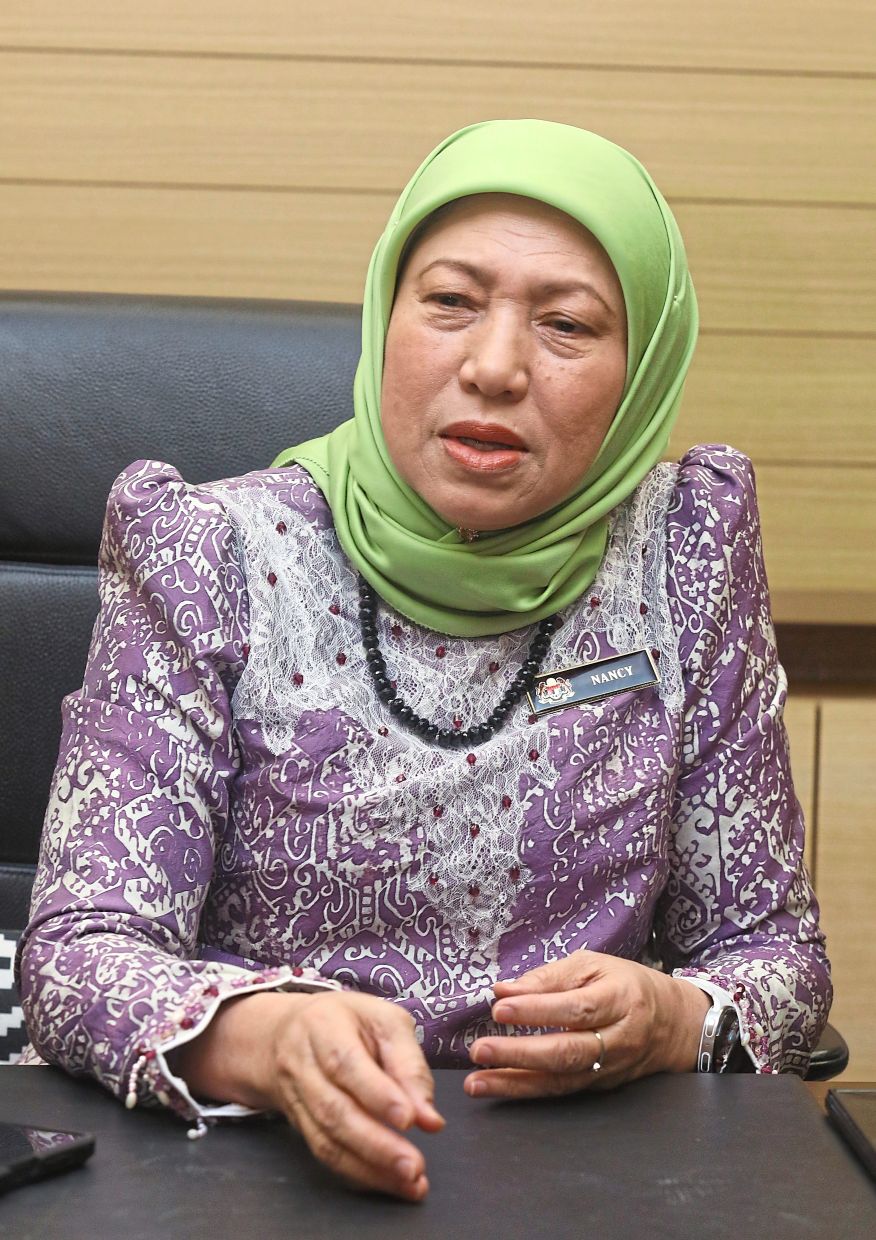
Registering a child as a person with disabilities (OKU) early in life represents a critical gateway to comprehensive government support that can fundamentally shape their developmental trajectory and future opportunities, according to Women, Family and Community Development Minister Datuk Seri Nancy Shukri. The official recognition provides families with immediate access to a constellation of welfare services, healthcare programmes, educational facilities and social development initiatives that would otherwise remain inaccessible. For Malaysian parents navigating the complexities of raising children with special needs, this initial registration becomes the foundation upon which all subsequent support is built, making the timely completion of this administrative process far more consequential than it might initially appear.
The Social Welfare Department (JKM) administers the registration process, requiring parents to compile documentation including their child's birth certificate or identification papers alongside medical certifications confirming the disability. Once the application clears approval, children receive an official OKU card that serves as tangible evidence of their disability status and eligibility for various assistance schemes. This documentation opens pathways to financial assistance, rehabilitation services, early intervention programmes and specialised educational facilities. The minister stressed that parents should not postpone registration, as delayed applications mean missed opportunities during critical developmental windows when intervention is most effective.
Shukri emphasised that early intervention during childhood produces outsized developmental benefits that compound over time. When children receive timely access to rehabilitation and therapeutic services, their learning capacities and overall wellbeing improve substantially compared to those whose support is delayed. The government recognises that the transition years between school completion and employment represent another crucial period where support needs intensify rather than diminish. Many families incorrectly assume that assistance ends when children reach adulthood, but the minister clarified that the government's commitment extends throughout individuals' lifespans, evolving to match changing circumstances and aspirations.
Beyond childhood support, the government has developed comprehensive employment initiatives designed to ensure persons with disabilities can participate meaningfully in the workforce. The Social Welfare Department introduced a specialised job coach service that pairs trained professionals with employees with disabilities, providing on-the-job guidance and practical assistance while simultaneously working with employers to cultivate more accessible workplace cultures. These job coaches function as bridges between employers and workers, helping identify suitable roles, facilitating workplace accommodations and addressing challenges that might otherwise result in employment termination. This dual focus on employee support and employer engagement recognises that sustainable employment requires commitment from both parties.
Complementing employment initiatives, the government has launched Disability Equality Training (DET) targeting employers, human resource professionals and broader workforces. Rather than merely raising awareness, DET seeks to fundamentally reshape societal perceptions about disability by emphasising individual capabilities and needs rather than limitations. This attitudinal shift proves essential for creating genuinely inclusive workplace environments where persons with disabilities are valued as contributors rather than viewed through a deficit-focused lens. The minister noted that such cultural transformation extends beyond corporate settings, fostering broader societal changes that remove systemic barriers and promote dignity-centred approaches.
The Social Security Organisation (PERKESO) collaborates with government agencies to expand rehabilitation opportunities, skills training and employment placement services for persons with disabilities. Platforms such as MyFutureJobs connect job seekers registered as OKU with employers actively recruiting individuals with disabilities, addressing the persistent disconnect between available talent and suitable opportunities. These technological solutions democratise access to employment information that many individuals with disabilities previously struggled to obtain through traditional channels. The multi-agency approach recognises that sustainable employment pathways require coordination across government bodies, statutory corporations and private sector partners committed to inclusive hiring practices.
The government's vision extends beyond employment to encompass lifelong learning, vocational training and entrepreneurship opportunities tailored to individuals with disabilities. Recognising that career paths remain dynamic throughout people's lives, policymakers have developed mechanisms supporting continuous skill development and professional advancement. Some individuals with disabilities demonstrate entrepreneurial aspirations but encounter barriers accessing capital, business mentorship or accessible premises. By expanding vocational pathways and entrepreneurial support, the government aims to unlock economic potential that traditional employment alone cannot address, enabling diverse routes to financial independence and self-determination.
Independent living represents another priority area where government initiatives seek to expand autonomy and reduce dependency on family caregivers. As parents age, children with disabilities increasingly require housing solutions, personal care services and community support systems that maintain dignity while enabling maximum autonomy. The government's commitment to strengthening sustainable support systems addresses this demographic reality, developing services that support aging-out transitions and non-family-based living arrangements. These initiatives acknowledge that children inevitably become adults requiring supports calibrated to their evolving circumstances rather than static childhood-focused provisions.
For Malaysian parents confronting the diagnosis of a child's disability, the registration process transcends bureaucratic necessity to become a transformative pathway toward recognition and opportunity. Early registration signals to government and service providers that a child requires tailored support, triggering activation of assistance schemes designed specifically for persons with disabilities. The ripple effects extend throughout childhood, adolescence and adulthood, ensuring that individuals receive developmentally appropriate interventions and opportunities aligned with their capabilities. Rather than viewing OKU registration as merely documenting deficit or limitation, the minister framed it as official acknowledgement of a child's right to societal participation, resourced support and equitable opportunity.
The broader policy framework reflects evolving international understandings of disability as diversity requiring accommodation rather than tragedy requiring cure. Malaysian initiatives aligning with this perspective—job coaches, disability equality training, inclusive employment platforms and lifelong learning pathways—collectively construct a more enabling environment for persons with disabilities. However, implementation quality remains variable across states and service providers, with some families reporting difficulty accessing registered services or receiving delayed assistance. The government's stated commitment to collaboration among diverse stakeholders suggests recognition that sustainable inclusion requires coordinated effort transcending individual agency mandates.
For Southeast Asian neighbours observing Malaysian policy development, the emphasis on early registration, employment integration and lifelong support offers a replicable framework for countries developing or strengthening disability support systems. The integration of job coaches into employment assistance represents an innovative intervention backed by evidence that individualised workplace support significantly improves employment retention for persons with disabilities. Similarly, the Disability Equality Training programme addresses a persistent implementation gap whereby policies may exist without corresponding cultural shifts among employers and co-workers necessary for genuine inclusion.
Moving forward, the sustainability of Malaysia's disability support ecosystem depends on consistent government funding, quality training for service providers including job coaches, and employer engagement beyond compliance-based hiring. Minister Shukri's emphasis on parental agency—encouraging families to initiate registration and access available services—underscores that government commitment must partner with informed, proactive family engagement. As Malaysia's population ages and disability prevalence increases accordingly, the scalability of support systems will face mounting pressure. Early intervention and employment support initiatives represent investments in reducing long-term dependency costs while maximising individual contribution potential, benefiting both persons with disabilities and broader economic productivity.
Ultimately, the significance of early OKU registration extends beyond administrative process to embody fundamental questions about how societies support vulnerable populations and allocate resources toward inclusive participation. Registering children with disabilities early ensures timely access to interventions proven effective during developmental windows and establishes eligibility for support extending throughout adulthood. Parents who complete this registration are not merely fulfilling bureaucratic requirements but actively positioning their children to benefit from government recognition and assistance designed to nurture abilities, remove barriers and enable dignity-centred participation in educational, employment and community life.

