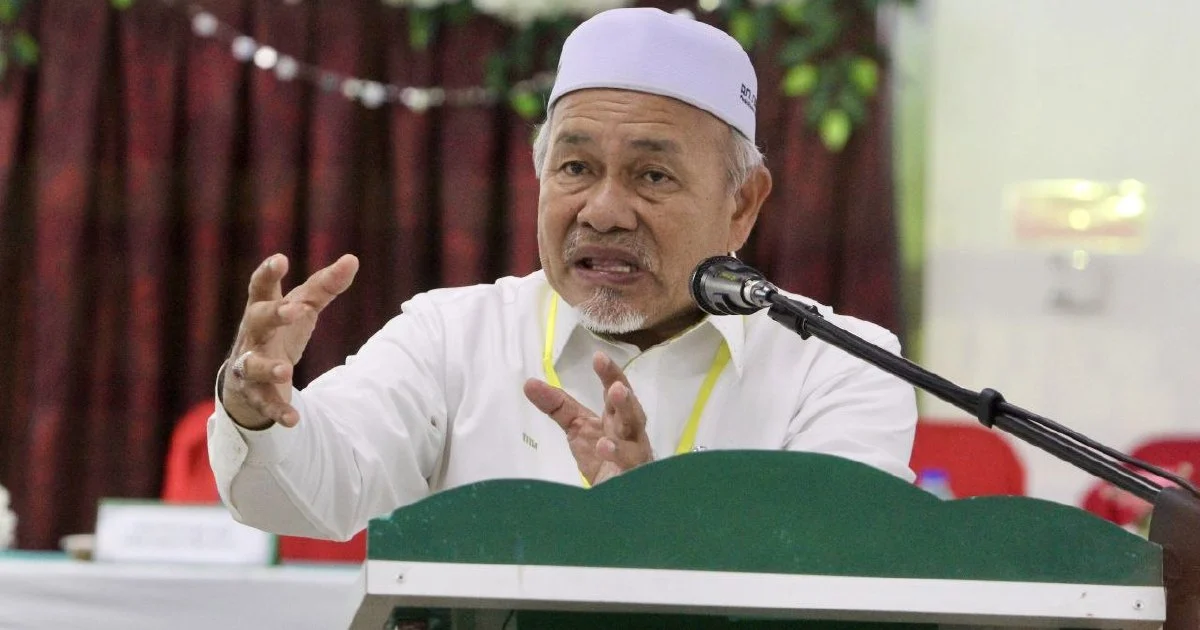
Prime Minister Datuk Seri Anwar Ibrahim is unlikely to dissolve Parliament and call an early general election in the near term, according to Pas deputy president Datuk Seri Tuan Ibrahim Tuan Man, who attributes this calculation to Barisan Nasional's commanding performance in Johor's recent state polls. The assessment reflects how state-level electoral outcomes continue to shape the strategic calculus of Malaysia's national political leadership as the coalition government navigates its term.
Tuan Ibrahim's commentary provides insight into the internal thinking of coalition partners regarding the timing of Malaysia's next national ballot. Johor, as the nation's second-largest state by population and traditionally a BN stronghold, carries disproportionate weight in Malaysian political calculations. A convincing victory there suggests the ruling coalition possesses sufficient momentum and public support that risking an early election would be strategically unnecessary. Political coalitions typically move toward early elections only when circumstances appear advantageous or when maintaining the current parliament becomes untenable—neither condition appears present following BN's strong state-level showing.
The Johor state election outcome has reverberated through Kuala Lumpur's political establishment, influencing perceptions of the administration's electoral viability. When major coalition partners perform well in significant state contests, it typically reinforces the government's confidence in its electoral prospects and reduces pressure to test the national mood prematurely. Instead, administrations tend to consolidate gains, build further momentum, and prepare methodically for scheduled general elections rather than gambling on accelerated timelines.
Anwar Ibrahim assumed the premiership following elections held in November 2022, which delivered a fractured parliament that necessitated coalition-building among multiple parties spanning the political spectrum. This fragile equilibrium required careful management to maintain stability and preserve legislative majorities on key votes. An early election call would necessarily disrupt carefully constructed parliamentary arrangements and risk fracturing coalitions that have proven functional, if occasionally contentious, in governing Malaysia's complex, multi-community society.
The PAS leader's statement also reflects calculations about electoral dynamics beyond Johor. While the state election provides immediate evidence of public sentiment, national elections involve distinct geographical, demographic, and political considerations. Urban constituencies, important swing states, and regions where opposition parties maintain stronger footholds present different electoral terrain than Johor's more straightforward political landscape. A government confident in its position typically prefers to govern fully through its scheduled term, accumulating achievements and demonstrating administrative competence rather than seeking early validation through electoral contests.
For Malaysian businesses and investors monitoring political stability, Tuan Ibrahim's remarks offer reassurance regarding institutional continuity. Prolonged electoral campaigns and the uncertain interregnum between dissolution and voting create economic friction through policy paralysis and reduced investor confidence. Avoiding premature elections allows the administration to maintain focus on economic management, infrastructure development, and delivery of voter promises without the distraction of campaign activities and coalition uncertainty.
Regionally, the stability of Malaysian governance matters to Southeast Asian neighbors and the broader international community. While Malaysia's coalition government has weathered significant challenges and criticism regarding governance and institutional independence, it has nonetheless provided the predictability necessary for continued economic cooperation and regional diplomatic engagement. Avoiding destabilizing early elections strengthens Malaysia's position within ASEAN and reinforces its credibility in bilateral relationships and international forums.
Tuan Ibrahim's comments must be contextualized within PAS's own positioning within the broader Malay-Muslim political landscape. As a coalition partner that strengthened its influence following recent electoral performances, PAS has vested interest in stability that preserves its bargaining position and ministerial portfolios. The party's deputy president would naturally resist early elections that might disrupt current arrangements or subject party representation to unpredictable outcomes in parliamentary reconfiguration.
Looking forward, Malaysian political observers will monitor whether the Johor state election result translates into sustained coalition unity at the federal level. Early elections might become relevant if the administration encounters significant parliamentary rebellions, economic crises that undermine public confidence, or fracturing within the coalition that threatens majority government. Absent such destabilizing developments, the trajectory appears toward completing the current parliamentary term on schedule, likely positioning elections for 2023 or beyond, depending on technical dissolution timelines and administrative readiness.
The broader implication of Tuan Ibrahim's assessment extends beyond simple electoral timing. It suggests that Malaysia's coalition partners view the current governing arrangement as worth preserving and developing further, despite acknowledged internal tensions and disagreements. This stability orientation stands in contrast to the persistent political volatility that characterized earlier coalitional governments and the shifting alliances that dominated Malaysian politics throughout the 2020s transition period. Whether this represents genuine institutional consolidation or temporary equilibrium remains a question for continued monitoring by political analysts and observers tracking Malaysian governance evolution.

