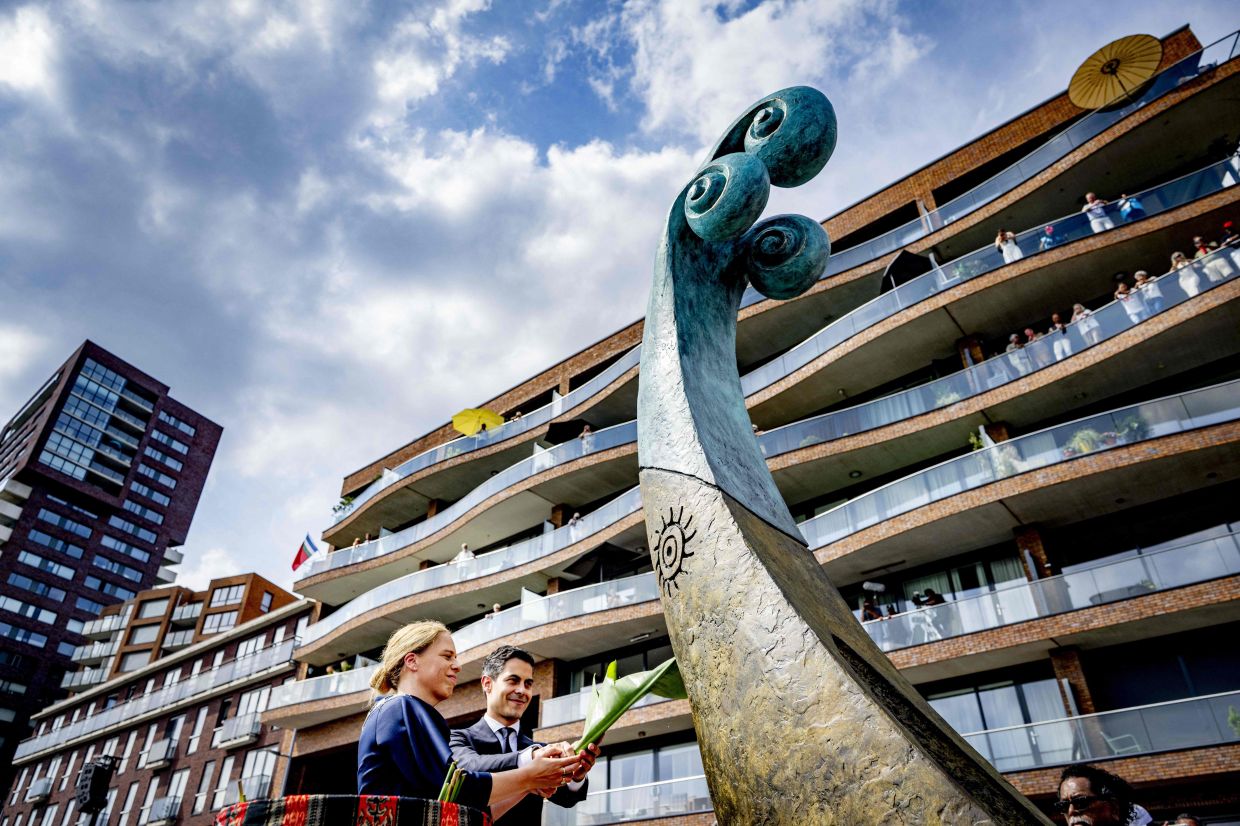
In a significant moment of reckoning with colonial history, Dutch Prime Minister Rob Jetten delivered a formal apology to members of the Moluccan community on Sunday, recognising the Netherlands' failure to honour commitments made to these people from Indonesia's eastern spice islands after World War II. The formal acknowledgement came during a ceremony in Rotterdam where a monument commemorating this troubled chapter of Dutch-Indonesian relations was unveiled, drawing hundreds of Moluccans whose families bore the weight of historical injustice for more than seven decades.
The Moluccan story represents one of Southeast Asia's most poignant post-colonial narratives. When Indonesia secured independence from Dutch rule in 1949 after a lengthy armed struggle, tens of thousands of Moluccans who had served in the Royal Dutch East Indies Army faced an uncertain future. These individuals had fought alongside Dutch colonial forces during the independence war, making them targets for potential retribution in the newly independent nation. Recognising this danger, the Dutch government intervened in what appeared to be a humanitarian gesture, transporting approximately 12,500 Moluccans to the Netherlands in an officially coordinated relocation programme.
The Dutch government framed this transfer as temporary, a short-term refuge until circumstances in Indonesia stabilised enough for safe return. Dutch officials negotiated these terms with Indonesian counterparts, with assurances that repatriation would occur once conditions permitted. Yet this promise proved hollow. The temporary arrangements became permanent, and what should have been a brief interlude transformed into indefinite exile for an entire community separated from their homeland, their language gradually fading among younger generations, and their hopes of return dimming with each passing year.
The conditions awaiting arriving Moluccans in the Netherlands bore little resemblance to promises made. Rather than integration into Dutch society with meaningful support, they encountered inadequate housing, systematic neglect, and deliberate exclusion from employment opportunities. Many former soldiers faced immediate discharge from military service upon arrival, their contributions to the Dutch war effort forgotten. Compounding this indignity, authorities housed significant numbers in converted concentration camps—facilities that had previously detained Jewish prisoners during Nazi occupation—a choice that added layers of trauma and symbolic degradation to their experience.
For first-generation Moluccans, the psychological toll of displacement proved devastating. Families endured prolonged separation, cultural disorientation, and the gnawing recognition that they had been abandoned by the nation they had served. Letters home went unanswered or took months to arrive. Children grew up in foreign institutions rather than family homes. The Dutch state, having extracted their loyalty and military service, proved unwilling to provide even basic dignity or genuine integration opportunities, leaving Moluccans suspended in a limbo of exclusion that characterised Dutch race relations during the post-war decades.
This historical injustice bore violent consequences. By the 1970s, a second generation of Moluccans, born or raised in the Netherlands but inheriting their parents' unfulfilled longings, expressed their frustration through armed resistance. Several dramatic incidents, including occupation of government buildings and hijackings, shocked Dutch society and forced public attention onto a community's desperation. These actions, while controversial, represented an eruption of rage from young people who felt doubly betrayed—first by the Dutch refusal to support Moluccan independence from Indonesia, and second by systematic social exclusion in the country that had promised them refuge.
Jetten's apology acknowledged these layered failures explicitly. Standing before hundreds of Moloccans gathered in Rotterdam, many holding photographs of deceased relatives they had never fully known, the Prime Minister expressed remorse for inadequate reception, invisible suffering, abandoned hopes, and the intergenerational trauma rippling through families. The Ulu Kora monument, positioned at Lloydkade—the very Rotterdam wharf where the first ships bearing Moluccans had docked in the 1950s—serves as a physical testament to this reconciliation, transforming a site of departure and displacement into one of remembrance and acknowledgement.
Yet Jetten demonstrated realistic humility regarding the limits of apology. He explicitly stated that words alone could not erase decades of injustice or restore what was lost—the years of family separation, cultural erosion, and missed lives in a homeland they cherished. This acknowledgement distinguished his statement from hollow gestures, recognising that formal recognition, while morally necessary, represents only a beginning rather than a conclusion to reconciliation efforts. The apology cannot return the dead, reunite scattered families, or reverse the profound psychological and social consequences of prolonged exclusion.
For Malaysia and Southeast Asia, this Dutch reckoning carries important implications. The Moluccan case illustrates how colonial legacies extend far beyond formal independence, embedding themselves in migration patterns, identity politics, and unresolved historical grievances. The Netherlands' long delay in acknowledging its obligations—more than seven decades after the initial betrayal—underscores how powerful nations often evade accountability for post-colonial injustices. Regional governments confronting their own historical complexities might observe both the necessity of eventual acknowledgement and the considerable time such reckoning can require.
The apology also reflects evolving international norms regarding colonial responsibility. Contemporary democracies increasingly face pressure to address historical wrongs through formal mechanisms, whether apologies, memorials, or reparations. The Dutch government's action, while overdue, demonstrates that even established Western nations can be prompted toward accountability when historical communities maintain organised presence and political voice. For descendant communities of colonial subjects throughout Southeast Asia, the Moluccan precedent suggests possibilities for demanding recognition from former colonial powers, even generations after formal independence.
Moreover, the Moluccan experience raises questions about integration, belonging, and minority rights that resonate across the region. Many Southeast Asian nations host diaspora communities with complex relationships to multiple homelands. The Moluccan case demonstrates how inadequate integration efforts combined with denial of return create psychological limbo that can persist across generations. These lessons carry relevance for contemporary migration and refugee policies throughout Asia, where rapid demographic changes create similar challenges of cultural preservation, social cohesion, and the rights of displaced populations.