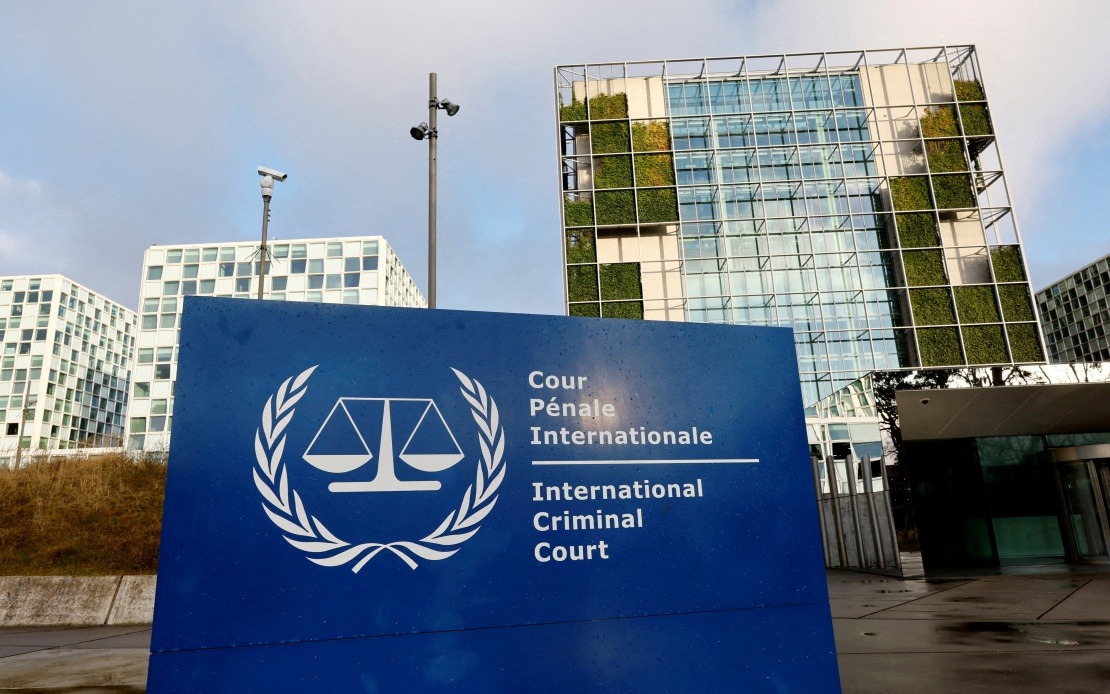
The United States' aggressive push to undermine the International Criminal Court has provoked sharp rebukes from leading Dutch legal academics, who contend that Washington's strategy threatens the foundational principles of international justice and the rule of law. Announced by the US Department of State on July 13, the campaign targets what American officials characterise as an institutional threat to national sovereignty, specifically over the court's authority to investigate and prosecute American military personnel and government officials. Dutch experts, however, view the initiative as fundamentally misguided and potentially destabilising to the entire international legal framework.
Alette Smeulers, a professor of international crimes at the University of Groningen, articulated the core concern shared by many within Europe's legal community: a world where powerful states successfully dismantle multilateral institutions would inevitably revert to governance structured around raw power rather than binding legal principles. Such a trajectory, she warned, represents a genuinely perilous development with implications extending far beyond disputes between Washington and The Hague. The erosion of institutional constraints on state behaviour historically correlates with increased conflict and reduced accountability for the most serious violations of human dignity, creating spillover consequences that affect nations globally, including those in Southeast Asia.
The escalating friction between America and the ICC is not new, but it has intensified markedly. Washington's decision last December to impose sanctions against two ICC judges, citing what it described as politicised actions against Israel, represented an unprecedented step in this confrontation. By weaponising its economic and diplomatic leverage against judicial officers, the United States established a troubling precedent that sovereign nations might punish international jurists simply for pursuing investigations into alleged crimes. This tactic fundamentally challenges the independence that courts require to function with integrity.
Smeulers emphasised a crucial factual dimension often obscured in American rhetoric: the ICC operates under significant legal constraints that render the sovereignty concerns largely exaggerated. The court can prosecute only the gravest crimes—genocide, crimes against humanity, war crimes—and only when those crimes occur within territories of Rome Statute members or involve nationals of such states. The United States, notably, has never ratified the Rome Statute and therefore remains outside the court's direct jurisdictional reach. These limitations mean the institution already incorporates substantial safeguards against the kind of unchecked power that American officials claim to fear.
Kyra Wigard, an assistant professor at Utrecht University, articulated particular alarm regarding the sanctions imposed on judges, characterising such measures as fundamentally absurd. In international practice, sanctions function as coercive tools deployed against designated terrorist organisations or nations engaged in active warfare. Extending this mechanism to independent judicial officials operating within their institutional mandates represents a dangerous conflation of categories and corrupts the intended purpose of sanctions as instruments of last resort against genuine security threats. The message such actions transmit—that judges face economic punishment for unfavourable rulings—corrodes the notion of judicial independence that undergirds functional legal systems.
The broader implications of American pressure extend beyond The Hague's operations. Washington has signalled intentions to persuade other nations to withdraw from the Rome Statute entirely, effectively dismantling the court through erosion of membership. For smaller and developing nations—a category including many Southeast Asian states—such pressure from the world's foremost military and economic power creates genuine diplomatic dilemmas. Abandoning multilateral institutions, even when pressured by Washington, typically reinforces vulnerabilities to larger powers and reduces their capacity to seek justice for populations harmed by grave crimes.
Smeulers warned that the American campaign could fundamentally reshape the international legal landscape in ways extending far beyond the ICC's immediate functioning. Were such efforts successful in establishing a precedent that powerful states can nullify multilateral institutions they find inconvenient, the broader architecture of international law—built incrementally through treaties, customary norms, and institutional practices—would face systematic erosion. This matters acutely for Malaysia and other regional states that depend substantially on international legal frameworks to constrain behaviour by more powerful neighbours and to establish predictable rules governing maritime disputes, environmental responsibilities, and cross-border commerce.
The Netherlands holds particular standing to critique American policy toward the ICC given that The Hague hosts the court's headquarters and Dutch legal tradition has historically championed international humanitarian law. Dutch scholars and policymakers understand intimately how international legal institutions, imperfect as they inevitably are, represent humanity's collaborative effort to establish accountability mechanisms transcending the interests of individual powerful states. Abandoning such institutions invites regression toward systems where might determines right—a fundamentally unstable and unjust arrangement.
For Malaysia and the broader Southeast Asian region, the outcome of this confrontation carries tangible consequences. A weakened ICC or one forced to operate under pressure from major powers becomes less capable of investigating atrocities regardless of perpetrator nationality. The region has experienced territorial disputes, maritime tensions, and in some instances documented allegations of serious crimes that might theoretically fall within the court's mandate. Undermining the court's independence and resources ultimately diminishes accountability mechanisms available to populations across Asia seeking justice for grave harms. Dutch legal experts are essentially warning that short-term American tactical victories against an inconvenient institution produce long-term strategic losses for international stability and human rights protection.

