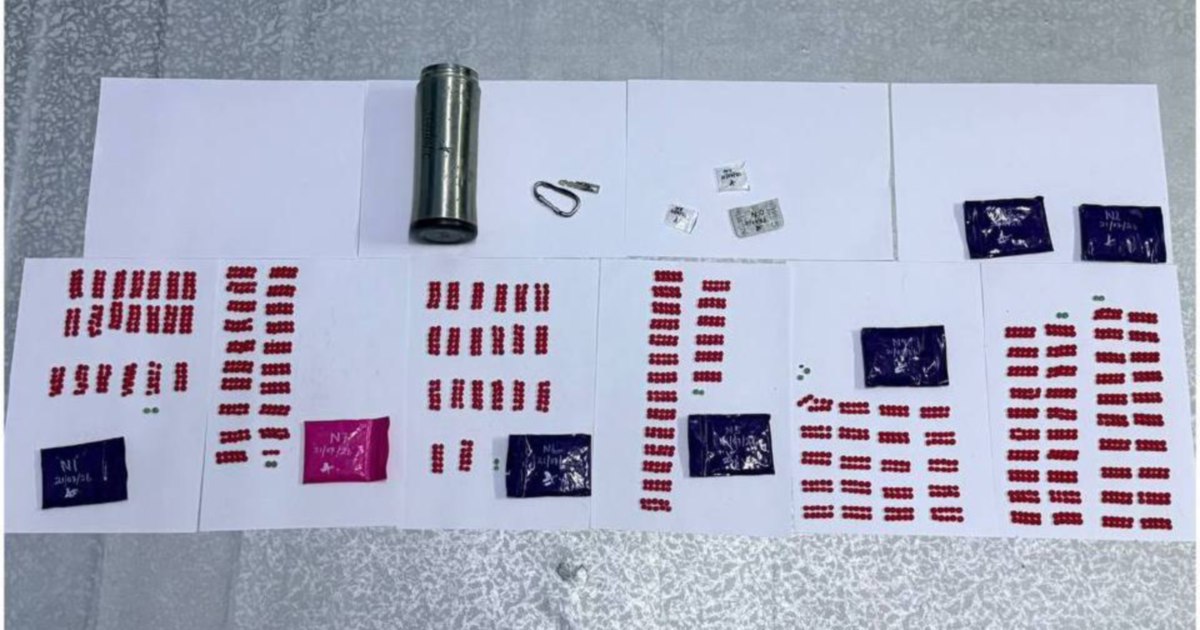
Police have arrested several individuals during a GOF enforcement operation, with one suspect standing out for his extensive history of drug-related offences. The man, who carries six previous drug convictions on his record, was among those detained as authorities intensified their crackdown on illicit drug networks across the region.
The GOF operation, which saw officers conduct coordinated raids at multiple locations, represents part of a broader national strategy to combat drug trafficking and distribution. The involvement of a repeat offender with such a significant criminal background underscores the persistent challenge law enforcement faces in deterring individuals from re-engaging in the drug trade after serving time for previous convictions.
Recidivism remains a critical concern within Malaysia's drug enforcement landscape. Individuals with multiple prior convictions often represent higher-risk targets for police operations, as intelligence typically flags them as continuing threats to community safety. The inclusion of this six-time offender in the latest arrests suggests that surveillance and intelligence-gathering efforts continue to track known actors within trafficking networks.
The GOF operation demonstrates the coordinated approach that Malaysian authorities employ when targeting suspected drug activities. Rather than isolated enforcement actions, such operations typically involve multiple agencies working in synchronisation to maximise the impact of arrests and seizures. This methodology has proven effective in disrupting supply chains and apprehending individuals at various levels of distribution networks.
For individuals with multiple drug convictions, rehabilitation and reintegration programmes remain inconsistently accessible. The fact that an offender with six prior convictions remained active in drug-related activities highlights potential gaps in post-release support systems. Whether through inadequate job prospects, social stigma, or insufficient counselling services, barriers to desistance often push repeat offenders back toward criminal activity as their most viable economic option.
The arrest of such individuals carries broader implications for drug policy discussions in Malaysia. While enforcement remains necessary, the cycling of offenders through the criminal justice system without corresponding investment in treatment and social reintegration raises questions about the long-term effectiveness of purely punitive approaches. Some criminologists argue that Malaysia's drug enforcement regime could benefit from greater emphasis on alternative sentencing and community-based programmes for lower-level offenders.
These enforcement operations also serve an intelligence-gathering function beyond immediate arrests. Information obtained during raids, including seized communications and financial records, helps authorities map out broader trafficking networks and identify previously unknown connections between suspects. A suspect with six prior convictions typically possesses valuable knowledge about supply routes, dealer networks, and procurement methods that investigators can exploit.
The GOF operation's timing and scope suggest that authorities had developed sufficient intelligence to justify coordinated action. Police generally do not launch multi-location raids without confidence that they will yield meaningful results. The presence of a known repeat offender among those arrested indicates that intelligence networks successfully identified his ongoing involvement in suspicious activities.
From a regional perspective, drug trafficking networks often operate across Southeast Asian borders, with Malaysia serving as both a transit point and a consumption market. Local enforcement operations connect to broader international efforts to disrupt the flow of drugs through the region. Arrests of individuals engaged in trafficking contribute to mapping these transnational networks and supporting cooperation with neighbouring law enforcement agencies.
The sentencing outcomes for suspects arrested in GOF operations typically depend on factors including the quantity of drugs seized, their purity, evidence of distribution intent, and the defendant's criminal history. For a repeat offender with six prior convictions, prosecutors would likely seek enhanced penalties under Malaysia's drug laws, which contain provisions for increased sentences based on previous convictions. Such individuals often face sentences substantially longer than first-time offenders.
Community safety messaging around such arrests emphasises the ongoing commitment to drug enforcement. Police announcements following GOF operations typically stress that repeat offenders remain a priority target, and that enforcement personnel dedicate significant resources to monitoring individuals with known drug involvement. These public communications serve both as deterrent messaging and as transparency regarding police activities.
The broader drug enforcement environment in Malaysia involves cooperation between federal and state authorities, customs agencies, and intelligence services. A GOF operation of sufficient scale to target multiple locations would typically involve coordination at senior management levels, ensuring that resources from various agencies align toward common objectives. The arrest of multiple suspects suggests systematic rather than opportunistic policing.
Moving forward, the successful prosecution of suspects from GOF operations depends on maintaining evidence integrity and presenting compelling cases to the courts. The criminal history of the suspect with six prior convictions will feature prominently in sentencing considerations, though his culpability for the specific charges will determine initial conviction. His case exemplifies how Malaysia's justice system grapples with persistent offenders who cycle repeatedly through the criminal justice apparatus.

