Jakarta's Soekarno-Hatta International Airport, Indonesia's primary gateway for international travel, is emerging as a critical focal point in regional drug trafficking efforts, with authorities documenting more than 300 narcotics-related incidents within the first seven months of this year alone. The sheer volume of cases—averaging at least two interceptions daily—underscores the persistent challenge facing customs and excise officials tasked with screening the approximately 25,000 to 30,000 international passengers who transit through the facility each day. The breadth of the problem extends beyond Indonesian nationals, with suspects apprehended representing a diverse array of countries spanning Europe, Asia and beyond, reflecting the deeply interconnected nature of modern drug smuggling networks that operate across continents and exploit aviation infrastructure with calculated precision.
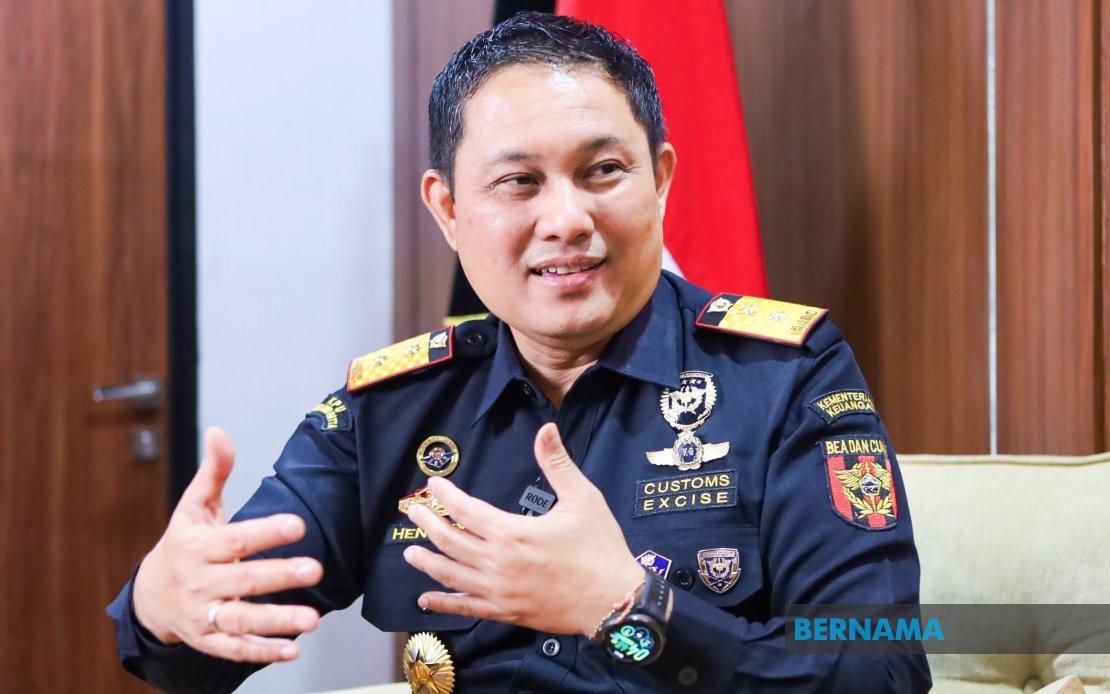
According to Hengky Tomuan Parlindungan Aritonang, the head of Soekarno-Hatta's Main Customs and Excise Office, the scale of enforcement activity reveals far more about how criminal syndicates operate than it does about the nationality or origin of substances passing through Indonesian borders. He emphasises that the relationship between a flight's departure point and the identity of the person carrying contraband is far more complex than surface-level analysis might suggest. Smuggling networks deliberately obscure these connections by recruiting couriers with specific logistical advantages, meaning an Indonesian national returning home from Malaysia might carry drugs originating from Thailand, or a foreign national could transport substances unrelated to their country of departure. This deliberate misdirection represents a sophisticated understanding by organised crime groups of how border security operates and where vulnerabilities exist.
The strategic use of major aviation hubs throughout Southeast Asia amplifies the challenge for enforcement authorities across the region. Indonesia, Malaysia, Thailand and Hong Kong function not merely as final destinations or points of origin, but as critical transit nodes where contraband can be transferred between couriers, repackaged and redirected with minimal detection risk. Criminal organisations exploit this geographic reality by purchasing plane tickets and recruiting individuals willing to carry narcotics on specific legs of multi-stage journeys, making it exceedingly difficult for any single nation's customs apparatus to construct a complete picture of trafficking flows. Aritonang notes that syndicates demonstrate remarkable adaptability in their recruitment strategies, approaching individuals with varying circumstances—including Indonesians working overseas who face financial pressure or are promised incentives to carry drugs when returning home—and persuading them to participate in smuggling operations that would otherwise seem implausible to conventional law enforcement thinking.
The composition of seized substances reveals patterns consistent with global drug market demand, with psychotropic substances, etomidate and methamphetamine representing the most frequently intercepted materials at the airport. When measured by weight, methamphetamine and MDMA account for the largest seizures, indicating that smugglers prioritise high-volume trafficking of these synthetic drugs capable of generating substantial profits. Beyond passenger luggage and body-borne contraband, authorities have identified sophisticated smuggling methods involving air cargo systems, where drugs are concealed within legitimate shipments and sent to undisclosed recipients. Investigators must identify intended recipients and work backwards through supply chains to locate original senders, a labour-intensive process requiring coordination between multiple enforcement agencies and occasionally spanning multiple countries. This cargo-based approach represents an evolution in smuggling tactics, leveraging the volume of legitimate air freight to obscure illicit shipments.
Recent high-profile cases have drawn significant media attention, particularly several involving Malaysian nationals, intensifying scrutiny of travellers from neighbouring countries. A Malaysian airline pilot was apprehended following the seizure of approximately 25 kilogrammes of MDMA at Soekarno-Hatta airport, while another Malaysian national was detained at Juanda International Airport near Surabaya with 990 grammes of methamphetamine and 1,089 ecstasy pills allegedly strapped to his body. Additionally, three Malaysian women were detained at Soekarno-Hatta this week after authorities discovered suspected MDMA, cocaine and ketamine in their possession. These cases, whilst shocking in their own right, have generated considerable commentary within Indonesia regarding the involvement of Malaysian citizens, prompting concerns about potential targeting or discriminatory screening practices.
In response to these concerns, Aritonang has provided categorical assurances that Malaysian travellers and citizens of all nationalities receive equal treatment under Indonesia's customs screening protocols, with enforcement decisions driven exclusively by objective intelligence, data analysis and imaging technology rather than demographic characteristics. He emphasises that screening methodology focuses on suspicious patterns evident in X-ray imagery and passenger risk assessments, deliberately removing human bias from initial detection processes. Nationality, ethnicity and physical appearance play no role in determining whether a passenger receives additional scrutiny, with all individuals subjected to the same professional standards and objective criteria. This assertion attempts to counter potential diplomatic tensions that could arise if Malaysia's government perceived systematic targeting of its citizens, a concern particularly relevant given the tight integration of Malaysia and Indonesia across trade, labour and tourism sectors.
The pilot case warrants particular attention not because of the suspect's Malaysian nationality, but rather because of the extraordinary nature of his profession and the implications for aviation security across Southeast Asia. Commercial airline pilots undergo extraordinarily rigorous vetting procedures, including extensive background investigations, medical examinations, licensing requirements and ongoing regulatory oversight designed to ensure the highest standards of integrity and reliability. The fact that criminal syndicates reportedly approached and successfully recruited a pilot to smuggle narcotics fundamentally challenges assumptions about who might be vulnerable to recruitment, suggesting that even individuals operating within highly controlled professional environments may become targets for organised crime. Aritonang suggests that syndicates deliberately seek out individuals in positions that law enforcement would consider unlikely candidates for smuggling, exploiting the psychological tendency of authorities to dismiss certain professions as inherently trustworthy.
The rarity of pilot involvement in drug trafficking in Indonesia provides some reassurance, with only one comparable case surfacing in Indonesian records spanning approximately two decades—an incident involving an Indonesian pilot roughly 20 years prior. This historical precedent indicates that whilst the recent Malaysian pilot case is genuinely unusual, it does not necessarily signal an emerging trend of aviation professionals becoming systematically recruited into smuggling networks. Rather, it may represent an opportunistic exploitation of a particular individual's circumstances, vulnerabilities or financial pressures by a criminal network seeking to test innovative trafficking methodologies. The incident nevertheless serves as a sobering reminder that no profession, regardless of prestige or regulatory oversight, sits entirely beyond the reach of sophisticated smuggling organisations willing to invest resources in recruiting unexpected participants.
For Malaysian readers and Southeast Asian stakeholders, the broader significance of Soekarno-Hatta's trafficking statistics extends beyond Indonesia's borders. The airport's status as a major international hub means that drugs transiting through Jakarta may ultimately be destined for Malaysian, Singaporean, Thai or Philippine markets, making Indonesian enforcement efforts directly relevant to regional drug control objectives. Conversely, substances seized in Jakarta often originate from or pass through Southeast Asian countries, indicating that the problem requires coordinated regional responses rather than isolated national enforcement efforts. The recurring identification of Thailand, Spain, Malaysia and Singapore as source or transit countries underscores the transnational character of modern drug markets and the necessity for intelligence sharing, joint operations and harmonised enforcement strategies across the Association of Southeast Asian Nations.
The operational reality facing Aritonang's team illustrates the fundamental asymmetry between law enforcement resources and criminal adaptability that characterises drug trafficking globally. Whilst Indonesian customs officials screen millions of passengers annually using sophisticated technology and professional protocols, smugglers continuously innovate their methodologies—recruiting unexpected participants, exploiting transit hub status, fragmenting shipments across multiple couriers and repurposing legitimate cargo systems for illicit purposes. The identification of over 300 cases in seven months, whilst representing successful interdiction efforts, simultaneously suggests that some volume of contraband successfully passes through undetected, maintaining the economic incentives that drive trafficking networks. Addressing this challenge requires not merely increased enforcement capacity, but also regional cooperation, demand reduction strategies and efforts to disrupt the financial systems enabling organised crime to sustain operations despite consistent law enforcement pressure.

