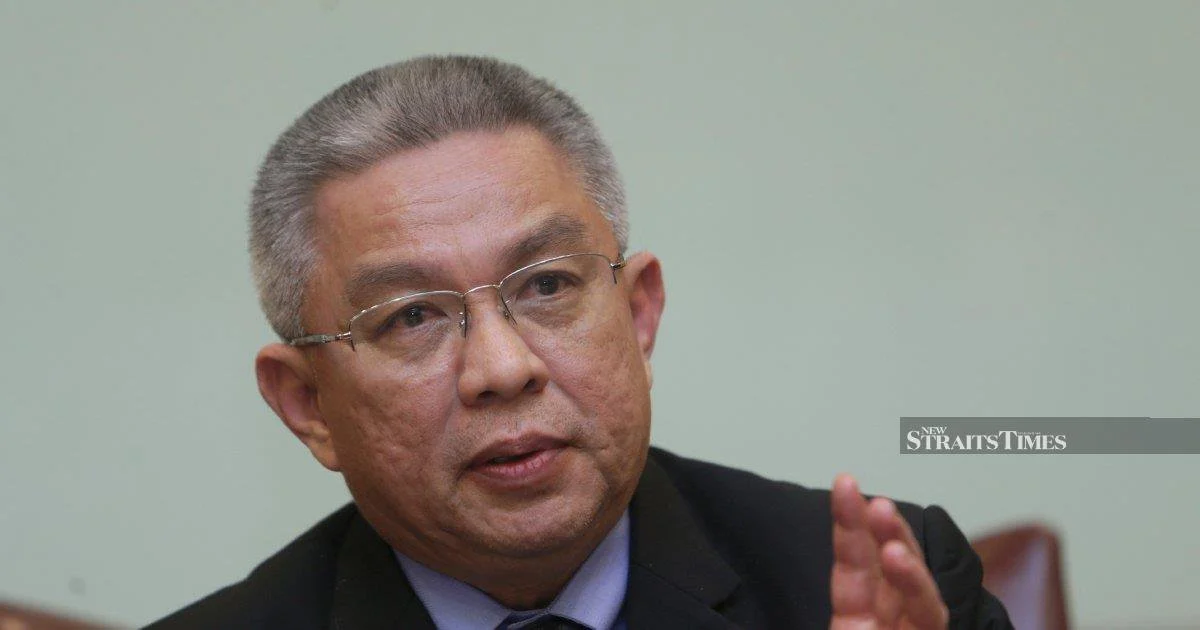
Barisan Nasional has announced a slate of 56 candidates contesting the forthcoming Johor state election, drawing on a mix of incumbent representatives and former officeholders seeking to reclaim lost ground. The coalition's candidate list carries the names of two particularly prominent figures whose inclusion underscores BN's strategy of leveraging established political experience to strengthen its electoral position in Malaysia's second-largest state by population.
Former health minister Datuk Seri Dr Adham Baba features prominently on the roster, marking his continued engagement in electoral politics following his tenure leading the Ministry of Health during a period of significant national health policy challenges. His appointment to the candidate list reflects BN's confidence in his administrative credentials and his ability to mobilise voter support in his assigned constituency. Dr Adham's ministerial background provides the coalition with a candidate capable of articulating sophisticated policy positions on healthcare, a matter of sustained voter concern across Johor's diverse demographic landscape.
Alongside Dr Adham, former Endau assemblyman Alwiyah Talib returns to the electoral arena after a period away from the state legislature. The inclusion of former representatives who previously held assembly seats demonstrates BN's attempt to recapture constituencies it may have lost in recent election cycles or to strengthen its majority in seats it currently controls. Such a strategy reflects confidence that local name recognition and prior legislative service remain valuable assets in persuading voters, even as political dynamics across Malaysia continue to shift.
The broader significance of this 56-candidate lineup extends beyond the individual profiles of its high-profile members. The composition reveals BN's approach to consolidating its traditional base in Johor, a state where it has historically maintained considerable influence but faces ongoing pressure from opposition coalitions. The decision to include experienced former ministers and assemblymen suggests the coalition is prioritising proven performers over entirely new faces, a conservative electoral strategy that emphasises institutional continuity.
For Malaysian observers and Southeast Asian political analysts, BN's candidate selection offers insight into how the coalition is preparing to contest state-level politics in the post-2020 period. The inclusion of figures like Dr Adham Baba, who served in federal government, demonstrates the willingness of national-level politicians to compete for state assembly positions, blurring traditional distinctions between federal and state legislative ambitions. This cross-pollination of talent between different levels of government highlights the interconnected nature of Malaysia's political ecosystem.
Johor's electoral dynamics carry particular weight in national political calculations. As the home state of former Prime Minister Datuk Seri Najib Razak and a traditional stronghold of UMNO and its BN allies, electoral performance in Johor serves as a significant barometer of coalition health. The decision to field experienced candidates across a substantial majority of the state's assembly seats signals determination to defend against opposition inroads and potentially expand BN's legislative representation.
The timing of candidate announcements typically precedes state election dates by several weeks, allowing parties to coordinate campaign activities and permit candidates time to familiarise themselves with constituency-specific issues. By releasing its full 56-candidate list, BN has demonstrated organisational readiness and has provided voters with sufficient notice to evaluate the coalition's proposed representatives. This transparency in candidate selection contrasts with past instances when parties delayed announcements, sometimes generating speculation about internal disputes or uncertainty.
Dr Adham Baba's inclusion carries particular relevance given his recent political trajectory. His previous role as health minister exposed him to both substantial public recognition and considerable scrutiny during a period when pandemic-related health policy dominated national discourse. Whether such prior experience enhances or complicates his electoral prospects in a state election context depends substantially on local voter sentiment and how effectively his campaign communicates his legislative agenda beyond health-related issues.
The scale of BN's candidate roster—56 representatives across Johor's assembly constituencies—suggests the coalition is committed to contesting virtually all available seats, rather than ceding any constituencies to opposition parties unopposed. This comprehensive approach maximises BN's opportunities to influence outcomes and demonstrates confidence in its organisational capacity to mount simultaneous campaigns across geographically dispersed constituencies with varying demographic and socioeconomic profiles.
For Johor voters and stakeholders across Malaysia's broader political landscape, the announcement of BN's candidate list marks the formal commencement of electoral competition. The inclusion of experienced figures like Dr Adham Baba and Alwiyah Talib signals that the coalition intends to leverage institutional expertise and local political networks to maintain its traditional dominance in the state. How voters respond to this lineup will provide important signals regarding voter satisfaction with BN's stewardship and the appeal of alternatives offered by opposition parties, ultimately shaping not only Johor's political composition but influencing broader national political trajectories.