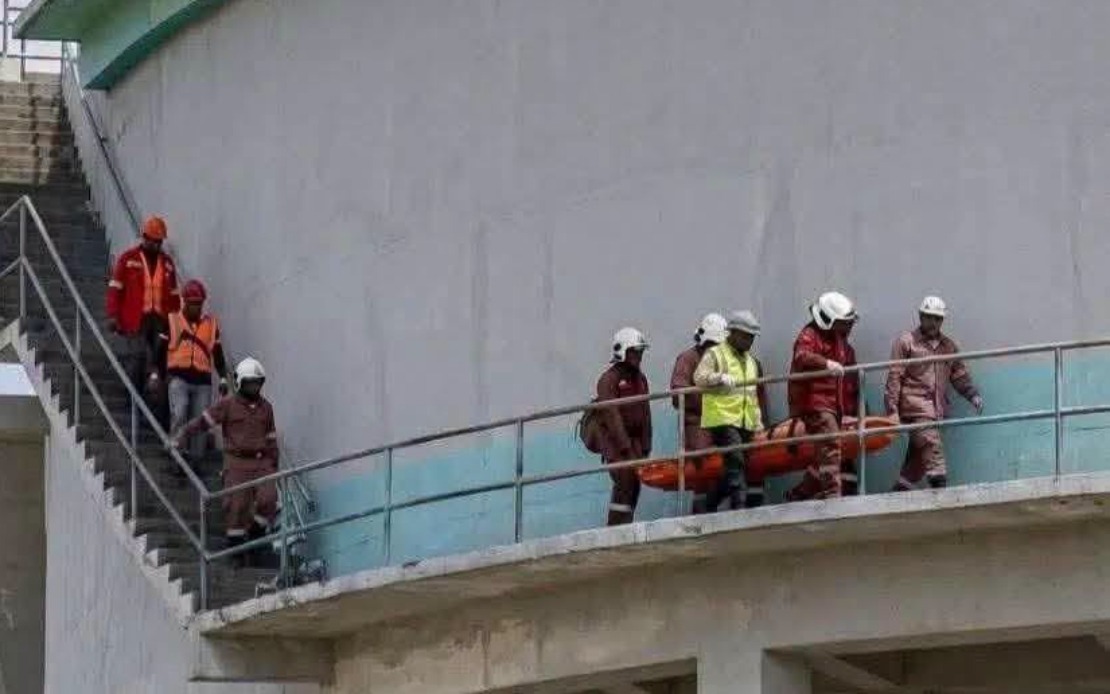
The Department of Occupational Safety and Health has commenced a formal investigation into a workplace fatality that claimed the life of an industrial trainee during confined space operations at Menara Saujana Perdana 1 in Sungai Buloh, Selangor. The incident occurred on June 16, and regulatory teams from the Selangor office have already visited the location to gather preliminary evidence and secure the area from further disturbance.
DOSH director-general Hazlina Yon confirmed that the investigation is proceeding under the Occupational Safety and Health Act 1994, specifically invoking Sections 15, 17 and 18, which establish the legal duties of employers, self-employed operators and other responsible parties to safeguard worker welfare and protect individuals who may be affected by workplace operations. The regulatory framework represents Malaysia's primary legal mechanism for enforcing occupational safety standards across all industries.
Witness statements are currently being recorded as part of the broader investigative process, with authorities examining whether the employer and contractors complied with mandatory safety protocols. Should the inquiry reveal breaches of occupational safety legislation, DOSH has indicated it will pursue appropriate enforcement measures, which could include substantial penalties or criminal charges depending on the severity and nature of violations identified.
The fatality underscores persistent risks associated with confined space operations, particularly in maintenance and cleaning activities where workers enter tanks, vessels and other enclosed environments with limited ventilation and potential atmospheric hazards. These operations require specialised procedures, atmospheric monitoring equipment and trained rescue personnel on standby—standards that are frequently overlooked or inadequately implemented across Malaysian workplaces.
Hazlina emphasised that employers bear primary responsibility for conducting thorough risk assessments before any work commences, with particular attention to high-risk activities that could expose workers to serious injury or death. This assessment phase must precede all operational decisions and form the foundation for developing safe work procedures tailored to specific site conditions and hazard profiles.
Critically, the regulator stressed that employers must implement comprehensive control measures before permitting workers to enter confined spaces, including obtaining formal work permits that document the hazards identified, the controls established and the authorisation to proceed. Permits serve as documentary evidence that proper planning has occurred and provide a critical safety checkpoint that has too often been bypassed in Malaysian operations driven by cost pressures and scheduling demands.
The case highlights inadequacies in how Malaysian employers manage training and supervision of industrial trainees and newly hired workers. According to DOSH guidance, individuals involved in high-risk activities must receive adequate occupational safety and health training, receive detailed briefings about site-specific hazards, and work under direct supervision by competent individuals who can recognise emerging dangers and intervene to prevent incidents. Many employers treat such requirements as administrative formalities rather than substantive safety measures.
Particular responsibility rests with employers to ensure that supervisory personnel possess genuine competency in confined space operations, including knowledge of atmospheric testing, rescue procedures and emergency response protocols. The appointment of supervisors based primarily on operational seniority or cost considerations, rather than demonstrated safety expertise, represents a systemic weakness in Malaysian workplace safety culture.
The incident also implicates contractor management practices, as tank cleaning typically involves specialist firms engaged on short-term contracts. Employers must verify that contractors maintain appropriate licensing, insurance, training records and safety systems before authorising them to operate on their premises. This verification process is frequently neglected or superficially performed, creating liability gaps that leave workers exposed to inadequately supervised operations.
Hazlina's statement emphasised that safety compliance in confined spaces requires strict adherence to established procedures without exception or deviation, a discipline that requires strong cultural commitment from employers and supervisors. The regulatory guidance provided by DOSH represents minimum standards derived from international best practices and Malaysian experience; compliance with these standards, while necessary, does not itself guarantee absolute safety but rather substantially reduces the probability of catastrophic outcomes.
For the broader Malaysian workplace context, this investigation will likely result in enforcement action that influences industry practice, particularly among facilities management companies and maintenance contractors who regularly conduct tank cleaning and other confined space operations. The case demonstrates that DOSH continues to pursue investigations thoroughly and will not hesitate to prosecute employers found to have disregarded fundamental safety obligations.
The fatality serves as a sobering reminder to employers across Malaysia that industrial trainees and new workers require substantially elevated levels of supervision, training and environmental protection compared to experienced personnel. Cost-cutting measures that reduce supervision intensity or eliminate safety training components fundamentally increase incident probability and expose companies to both civil liability and criminal prosecution.
As investigations proceed, the findings will likely become public through regulatory announcements or media reporting, potentially triggering heightened scrutiny of confined space practices across Malaysian industries. Employers in sectors involving maintenance, cleaning, construction and facility management would be prudent to conduct immediate audits of their confined space procedures, verify supervisor competency, update worker training records and ensure comprehensive work permits are implemented for all such operations. The incident represents a preventable tragedy that highlights the continuing need for stronger safety discipline across Malaysian workplaces.