Malaysia's Department of Occupational Safety and Health (DOSH) has commenced a forensic investigation into an incident involving Sunway Lagoon's roller coaster, marking an official response to what appears to be a significant safety concern at the country's leading theme park operator.
The decision to launch a forensic probe represents a notable escalation in regulatory oversight, indicating that preliminary assessments have identified factors warranting detailed technical examination. Such investigations typically involve comprehensive analysis of mechanical systems, maintenance records, operational procedures, and the sequence of events leading to the incident.
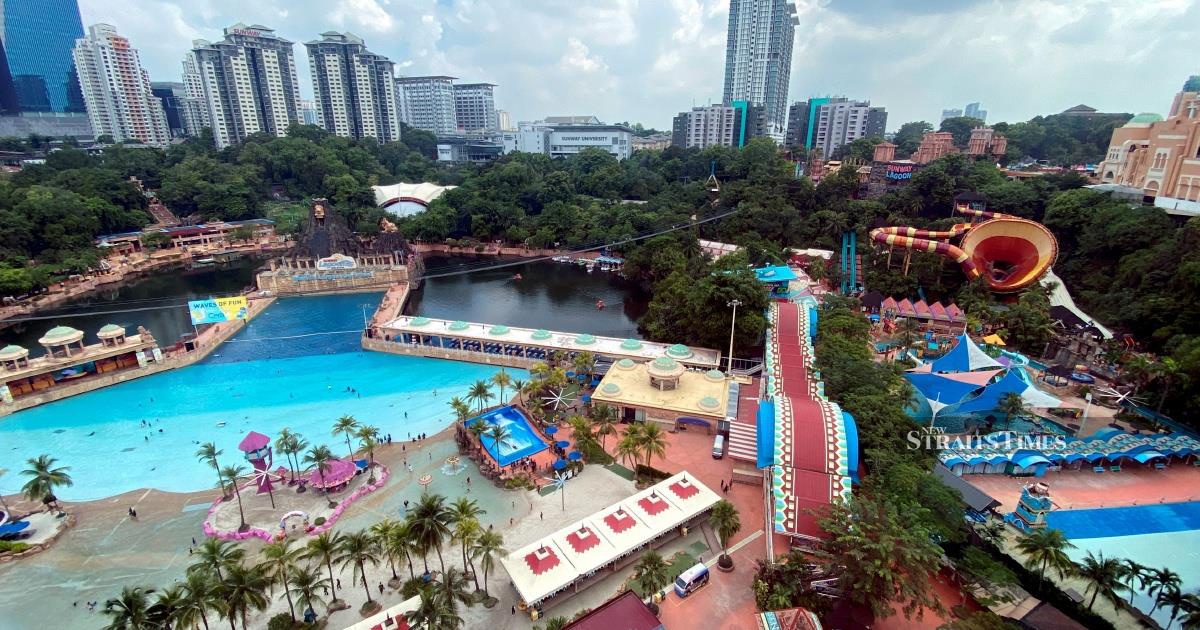
Sunway Lagoon, located in the Petaling Jaya area of Selangor, has long positioned itself as a premier entertainment destination for Malaysian families and international tourists. The theme park operates multiple high-thrill attractions alongside water-based facilities, drawing hundreds of thousands of visitors annually. Any safety concerns at the facility carry implications not only for the company but for consumer confidence across Malaysia's tourism and hospitality sectors.
The forensic nature of the investigation suggests DOSH will examine technical specifications of the roller coaster, including design parameters, structural integrity, and compliance with international safety standards. Engineers will likely scrutinise maintenance logs to determine whether preventive servicing protocols were followed according to manufacturer recommendations and regulatory requirements. This level of detailed examination helps establish whether the incident resulted from equipment failure, operational error, maintenance lapses, or a combination of factors.
Theme park safety in Malaysia falls under multiple regulatory frameworks. DOSH's involvement highlights the workplace safety dimension, as operators and maintenance personnel bear responsibility for safe operations. Additionally, the Standards and Industrial Research Institute of Malaysia (SIRIM) and local authorities oversee aspects of facility design and operation. The thoroughness of DOSH's forensic approach will likely influence how other parks across Southeast Asia review their own safety protocols.
For visitors and their families, such investigations provide assurance that authorities take safety breaches seriously. Malaysian consumers have demonstrated increasing awareness of safety standards, particularly following high-profile incidents at entertainment venues regionally. The transparency and rigour of this investigation may influence public perception of Sunway Lagoon and determine whether the facility requires operational changes before resuming normal service.
The investigation occurs amid broader conversations about safety compliance in Malaysia's leisure and entertainment industry. Smaller amusement facilities, water parks, and adventure attractions face varying levels of regulatory oversight, and incidents at major operators often prompt sector-wide reviews. A comprehensive forensic examination at Sunway Lagoon could establish precedents for how similar incidents are handled at competing facilities.
Industry observers note that roller coaster operations involve complex mechanical and electrical systems requiring specialised expertise to evaluate properly. DOSH's forensic team will likely collaborate with independent engineers, equipment manufacturers, and international safety consultants to ensure the investigation meets rigorous standards. This multidisciplinary approach strengthens findings and provides stakeholders with confidence that conclusions are evidence-based rather than procedurally rushed.
The timing of this investigation has implications for Sunway Lagoon's operations and parent company Sunway Group's reputation. As a publicly listed entity with significant investments across real estate, construction, and leisure sectors, any extended closure or operational restrictions could affect financial performance. However, prioritising safety over short-term commercial interests typically generates long-term trust among consumers and regulatory bodies.
Regionally, Malaysia's approach to this incident demonstrates the country's commitment to occupational safety standards comparable with developed economies. ASEAN nations increasingly harmonise safety protocols to facilitate cross-border commerce and tourism, and how Malaysian authorities handle high-profile incidents influences regional regulatory trends. A thorough, transparent investigation reinforces Malaysia's position as a destination that takes visitor and worker safety seriously.
The forensic investigation will ultimately produce detailed findings that may inform operational changes at Sunway Lagoon and potentially across Malaysia's broader amusement park industry. Depending on the investigation's conclusions, the park operator may need to implement enhanced maintenance schedules, staff retraining programmes, or equipment modifications. Such requirements, while potentially costly, ultimately strengthen the safety culture that protects both employees and the public.
As DOSH proceeds with its technical examination, the investigation represents an important moment for Malaysia's regulatory agencies to demonstrate that safety oversight is not merely administrative compliance but a proactive commitment to protecting lives. The conclusions will likely be scrutinised by industry peers, consumer advocates, and international observers, making the investigation's rigour and transparency essential to maintaining public confidence in Malaysian leisure facilities.

