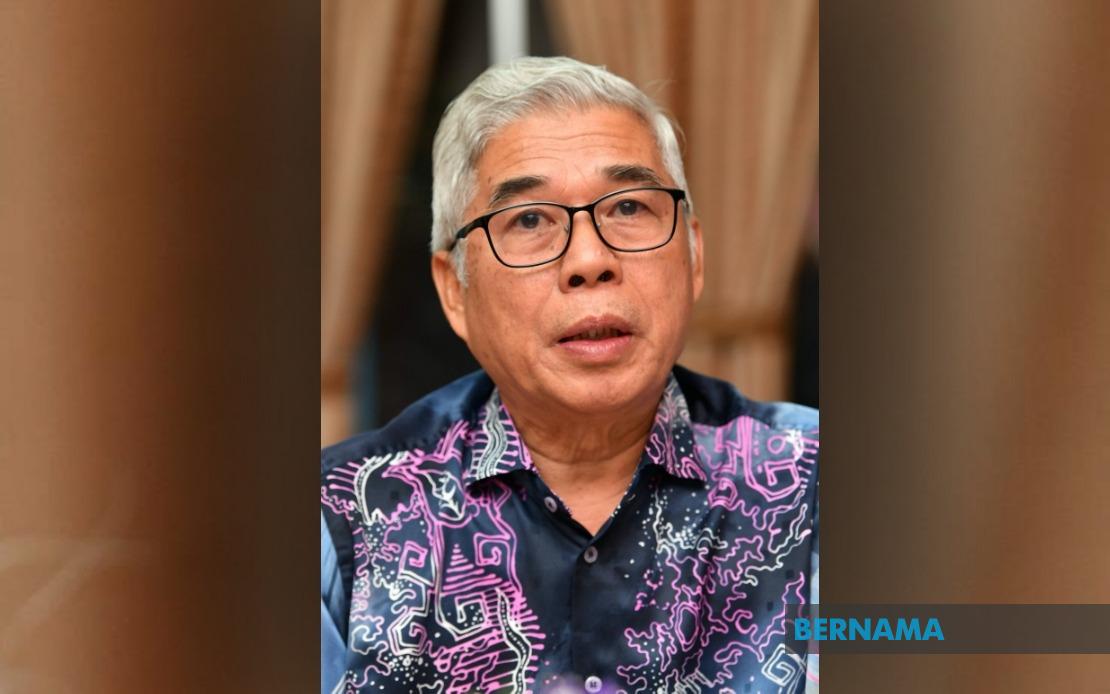
Pasir Gudang Member of Parliament Hassan Abdul Karim has publicly cautioned against premature calls for the 16th General Election, instead advocating that Prime Minister Datuk Seri Anwar Ibrahim allow the MADANI administration to fulfil its constitutional mandate and demonstrate tangible policy outcomes before facing voters again. Hassan's intervention reflects growing tension within ruling coalition circles following PKR's disappointing performance in several recent state-level electoral contests, which has sparked speculation about the timing of the next nationwide polls.
The Johor lawmaker, writing via social media, argued that dissolving Parliament hastily would represent a reactive decision driven by short-term political sentiment rather than strategic governance. He specifically discouraged the ruling coalition from allowing electoral setbacks in Sabah, Johor, and Negeri Sembilan to dictate broader national strategy, warning that premature dissolution could backfire by appearing to abandon responsibilities when the government faces criticism. His comments suggest internal deliberation within PKR about whether to cut losses and call elections when the party retains parliamentary advantage, or to persist with its current reform agenda.
Hassan's position carries weight within PKR circles as a long-serving member and vocal party advocate. His framing of the issue as one of strategic patience rather than electoral cowardice attempts to reshape the conversation around GE16 timing. By characterising the government's current five-year mandate as extending through late 2027 or early 2028, he implicitly endorsed the full constitutional period for this Parliament, rejecting suggestions that mid-term dissolution might be beneficial. This interpretation aligns with standard practice in Westminster systems, where governments typically serve complete terms unless extraordinary circumstances warrant early dissolution.
The economic argument underpinning Hassan's appeal carries particular resonance for Malaysian policymakers acutely aware of the nation's fiscal challenges and growth concerns. He contended that allowing approximately 12 to 18 additional months for economic policies to mature would provide concrete evidence of whether the MADANI government's development agenda is generating measurable improvements in living standards and investor confidence. Foreign direct investment attraction, specifically mentioned in his statement, represents a critical performance metric for this administration, particularly as Malaysia competes with regional neighbours for manufacturing and technology sector relocation from China and Western markets.
The recent state election results that precipitated Hassan's intervention reflect complex dynamics within Malaysia's coalition politics. PKR's performance in Sabah, Johor, and Negeri Sembilan indicated that the initial post-2022 general election coalition honeymoon has dissipated among some voter segments. However, these contests differ fundamentally from national elections in their dynamics, local issues, and campaign intensity. Hassan's argument rests partly on the distinction between state-level electoral shifts and nationwide mandate assessment, suggesting that national performance metrics should supersede subnational polling movements in determining parliamentary dissolution timing.
The psychological and strategic dimensions of Hassan's intervention merit examination. By publicly urging PKR leadership toward patience, he potentially insulates the coalition from being perceived as opportunistically calling elections from a position of parliamentary strength while neglecting governance. This narrative-shaping exercise becomes increasingly important as speculation mounts regarding GE16 timing, with various analysts predicting anything from immediate dissolution to full-term completion. Hassan's contribution attempts to establish that deliberate patience constitutes political wisdom rather than timidity or tactical retreat.
The implications for Malaysian political stability warrant consideration. Extended periods of speculation surrounding parliamentary dissolution can create policy uncertainty, discourage long-term investment planning, and generate continuous campaign-mode governance rather than substantive policymaking. By advocating for full-term completion, Hassan indirectly promotes governmental focus on implementation rather than electoral strategising. This position aligns with principles of responsible governance that prioritise policy delivery over perpetual campaign readiness, though sceptics might argue that some political parties inevitably maintain electoral consciousness regardless of formal dissolution timing.
For Southeast Asian observers monitoring Malaysian democratic evolution, Hassan's intervention demonstrates ongoing factional negotiations within ruling coalitions regarding strategic direction. The MADANI government, formed through complex post-2022 coalition arrangements, lacks the overwhelming parliamentary majorities that historically granted Malaysian governments freedom in dissolution timing. This constraint forces coalition partners toward explicit negotiation about parliament's lifespan, elevating previously internal calculations into public discourse. Hassan's Facebook statement thus reflects not merely individual opinion but potential broader coalition positioning toward electoral postponement.
The economic context underlying this debate cannot be overstated. Malaysia's growth trajectory, employment generation, inflation management, and ringgit stability all factor into public perception of governmental competence. If economic indicators deteriorate further, public sentiment could shift dramatically regardless of policy implementation timelines, potentially rendering Hassan's timeline projections irrelevant. Conversely, if modest recovery materialises over the next 12 to 18 months, the government would enter GE16 with substantially improved positioning. This economic gamble implicit in Hassan's endorsement of full-term governance reflects confidence that the policy direction will ultimately yield positive results.
Minority coalition partners and independent parliamentarians supporting the government constitute another audience for Hassan's message. These actors face perpetual calculation regarding optimal parliamentary dissolution timing from their own survival and influence perspectives. By framing delayed dissolution as strategically advantageous rather than a sign of weakness, Hassan attempts to alleviate anxieties among these crucial swing voters that supporting extended governance represents a political liability. Their continued support remains essential for government stability, making coalition messaging particularly important during periods of electoral speculation.
The generational and ideological dimensions of PKR's recent performance also inform Hassan's perspective. The party's founding narrative emphasises democratic reform, anti-corruption governance, and programmatic delivery rather than conventional patronage politics. Recent electoral setbacks might partly reflect voter frustration that transformative change has proceeded more gradually than campaign promises suggested. Hassan's patience argument implicitly acknowledges this gap while betting that extended governance time will eventually demonstrate substantive achievement of reform objectives, thereby validating the party's core appeal to reform-minded voters.
Looking forward, Hassan's intervention establishes baseline position from which PKR leadership might negotiate internal consensus regarding GE16 timing. Should the party ultimately decide upon early dissolution, Hassan's publicly stated preference for full-term governance provides cover for defending this alternative choice as responding to changed circumstances rather than abandoning prudent strategy. Conversely, should the government complete its full term, Hassan will have contributed to establishing this outcome as representing coalition consensus rather than leadership imposition of individual preference. His carefully calibrated appeal to party solidarity while urging strategic patience demonstrates sophisticated political communication aligned with internal coalition dynamics and external messaging requirements.

