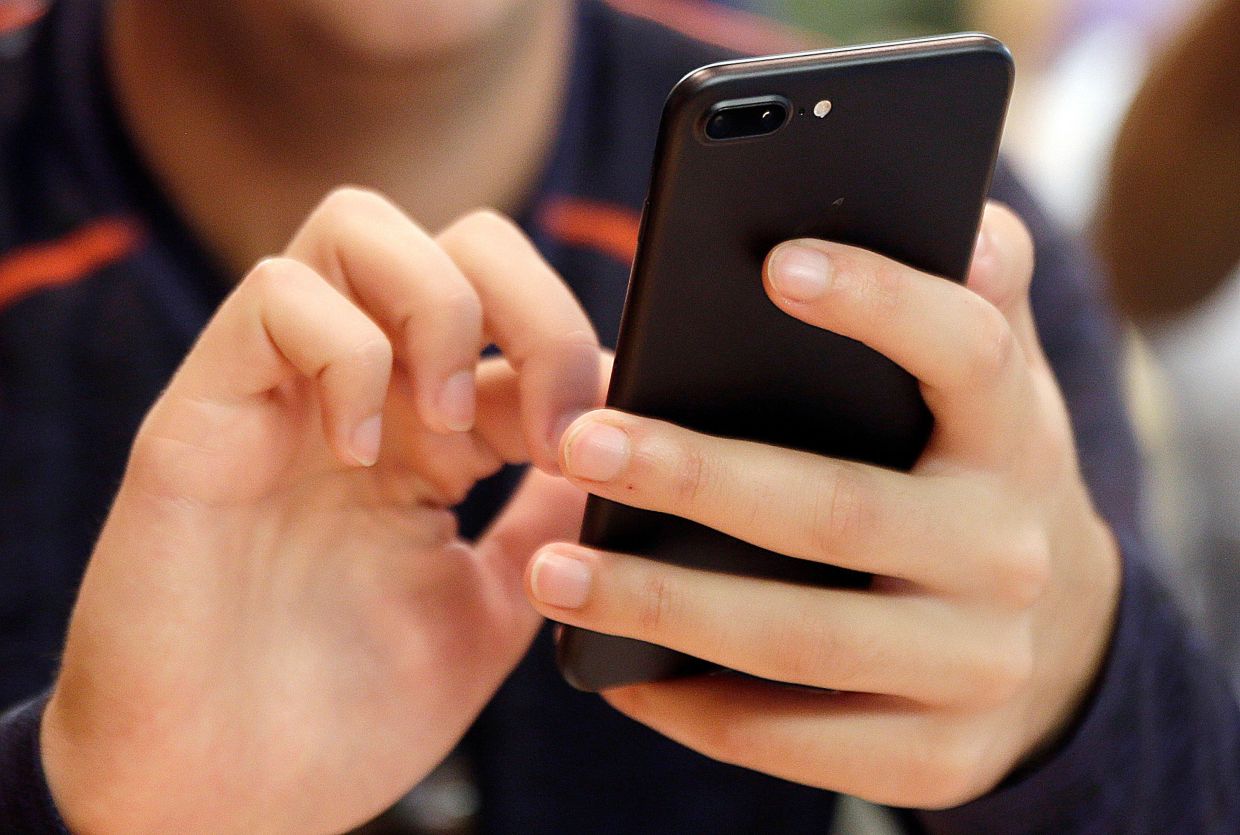
The modern Malaysian smartphone user faces an invisible occupational hazard that emerges gradually through daily routines: pain radiating from the thumb, stiffness in the wrist, and clicking sensations when bending fingers. Medical professionals term this phenomenon texting thumb, a catch-all description for the array of discomforts arising from overworked tendons and stressed joints. The condition manifests differently across individuals, ranging from mild stiffness and throbbing near the knuckle to more debilitating clicking when the thumb flexes. Left unchecked, the cumulative damage from repetitive swiping and typing can progress toward serious conditions including carpal tunnel syndrome and premature arthritis.
The evolution of mobile technology has intensified this health challenge. While previous generations wrestled with BlackBerry thumb during the era of compact physical keypads, today's devices present a different ergonomic nightmare. Contemporary smartphones have expanded in size and weight, fundamentally altering how users interact with screens. The usage patterns themselves have shifted dramatically: beyond messaging and voice calls, the average person now spends hours doomscrolling through social media feeds, conducting financial transactions, and consuming entertainment content. This transition from brief functional interactions to extended recreational use means hands remain locked in unnatural positions for prolonged periods.
Dr Maureen O'Shaughnessy from the University of Kentucky HealthCare Hand Center emphasises a pragmatic approach to this modern challenge. Rather than advocating unrealistic device abstinence, medical professionals recognise that smartphones have become integral to contemporary existence. The productive solution involves understanding how to make device usage compatible with human anatomy and long-term health. This perspective acknowledges the reality facing Southeast Asian workers and students who depend on smartphones for employment, education, and social connectivity while refusing to accept preventable injury as an inevitable cost.
The mechanics of phone-related injury stem from static posture maintenance. Keeping wrists and elbows in fixed positions for hours creates cumulative strain on supporting structures. The base of the thumb particularly suffers when bearing the device's weight repeatedly. Additionally, holding phones at eye level for extended viewing sessions tires fingers beyond the thumb, distributing stress across the entire hand and forearm network. Users often remain unaware of the damage accumulating until they experience sudden relief during vacations or periods of reduced phone usage, when inflammation subsides and dormant aches finally fade.
Prevention begins with the most straightforward intervention: limiting exposure and introducing strategic breaks. The colloquial advice to go touch grass carries literal merit in reducing phone-related irritation. However, recognising that complete digital detoxification remains impractical for most people, hand specialists recommend alternative strategies that can be seamlessly integrated into existing routines. Alternating which hand operates the device, switching from thumb input to index finger and other digits, and deliberately rotating through different holding positions throughout the day distribute mechanical stress across multiple structures rather than concentrating it in vulnerable areas.
Modern smartphones incorporate built-in accessibility features that, when properly utilised, substantially reduce hand strain. Voice-to-text functionality eliminates the need for manual typing while maintaining communication efficiency. Enlarging text size reduces the compulsion to hold devices closer to the face, naturally expanding the distance between hands and screen. These features exist within settings menus on most devices, yet many users remain unaware of their availability or fail to activate them despite potential personal benefit.
Physical accessories provide mechanical solutions to distribution problems. Ring-shaped and circular grips attach to device backs and spread weight across the entire palm rather than concentrating pressure on specific digits. Beyond load distribution, these accessories function as stands, enabling hands-free viewing during video consumption and reducing the muscular effort required to maintain horizontal phone positioning. For Malaysian consumers, such accessories represent an affordable preventive investment, typically costing between RM15 and RM50.
Active recovery and stretching routines form the foundation of symptom management once discomfort appears. Daily wrist flexion exercises, performed by tilting the palm toward and away from the body while the other hand applies gentle resistance, gradually restore flexibility and reduce stiffness. Circular thumb rotations and individual finger flexion exercises target specific muscles and tendons involved in device operation. For pain originating at the thumb base, placing the hand flat on a surface and gently pulling the thumb away from other fingers for thirty-second intervals provides direct relief to stressed structures.
Dr Eugene Tsai of Cedars-Sinai Orthopaedics articulates a fundamental truth underlying this entire discussion: human hands evolved for vastly different functional demands than contemporary smartphone operation. The delicate structures of tendons, joints, and nerves were engineered for varied activities across natural ranges of motion, not sustained repetitive micro-movements for entire days. Treating hands with intentional care represents not luxury but essential maintenance of a biological system under unprecedented demand.
When self-management strategies and over-the-counter remedies prove insufficient, professional medical evaluation becomes necessary. Persistent aching, numbness, or tingling sensations despite reduced screen time and implemented preventive measures may indicate developing De Quervain's tenosynovitis, characterised by sharp pain and swelling at the thumb base and wrist, or carpal tunnel syndrome caused by nerve compression. Trigger thumb, involving painful catching when bending, results from tendon inflammation and requires clinical assessment. Early intervention prevents progression toward chronic conditions requiring surgical correction.
The challenge facing Malaysian professionals, students, and casual users alike involves breaking the psychological cycle of compulsive scrolling while protecting physical health. Technology addiction and ergonomic injury reinforce each other, creating a downward spiral difficult to interrupt through willpower alone. Establishing deliberate breaks, even brief five-minute intervals, allows muscles and tendons to recover. Adjusting posture during extended sessions, consciously rotating devices and alternating hands, introduces variability that reduces peak stress concentrations. These small behavioural modifications, implemented consistently, create measurable differences in long-term hand health without requiring dramatic lifestyle alterations that most people cannot sustain.

