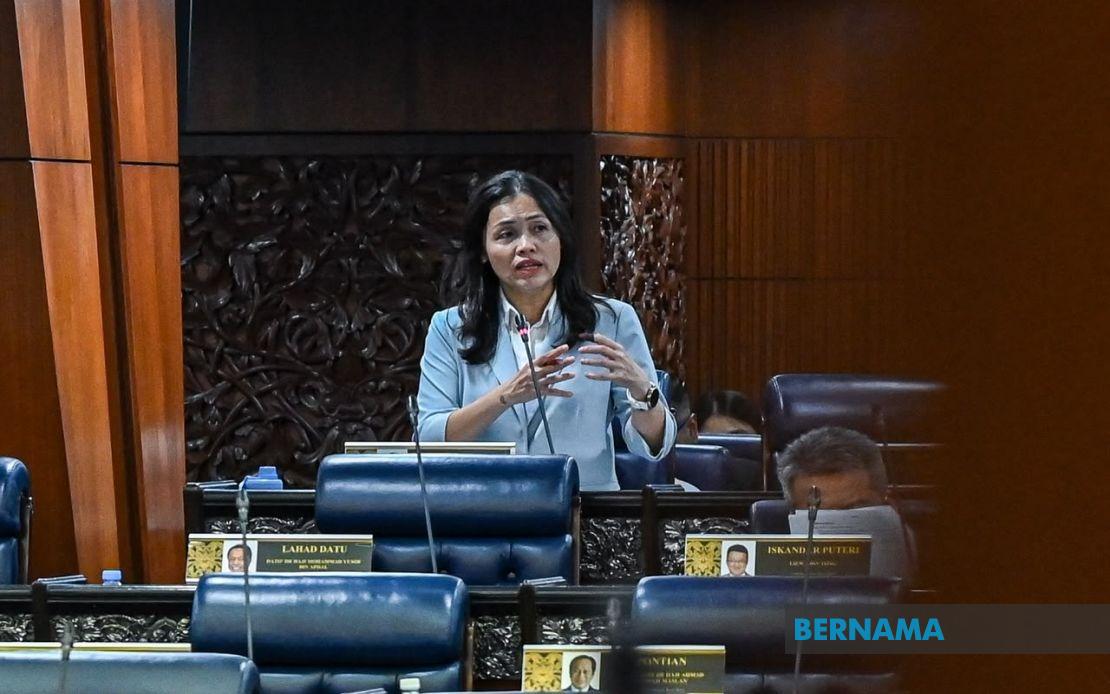
Malaysia's parliament has approved significant amendments to the Communications and Multimedia Act, marking a legislative effort to modernise the country's digital regulatory framework in line with evolving technological challenges and security threats. The Dewan Rakyat passed the Communications and Multimedia (Amendment) Bill 2026 on July 15, with lawmakers emphasising that the changes aim to fortify the nation's communications infrastructure without burdening users with extra fees. The amendments represent a deliberate recalibration of Malaysia's approach to digital governance, balancing innovation with protection of critical national systems as geopolitical tensions and cyber threats intensify across the region.
Deputy Communications Minister Teo Nie Ching framed the amendments as essential housekeeping for a telecommunications framework designed during an earlier digital era. She explained that rapid technological development, shifting geopolitical circumstances, and Malaysia's growing dependence on digital systems for essential services necessitated legislative updates to keep the legal architecture relevant and functional. The changes do not represent a power grab by the Communications Ministry into territories already governed by other agencies; rather, they refine the existing Communications and Multimedia framework to address contemporary realities that lawmakers in 2006—when the original Act 588 was enacted—could scarcely have anticipated.
At the heart of the amendments lies the introduction of a National Universal Service Provision (USP) initiative, which will now incorporate explicit national security elements. This initiative responds to a fundamental concern that has animated telecommunications policy across Southeast Asia: ensuring no part of the country falls into a digital dead zone where critical communications infrastructure proves unreliable or absent. The USP framework targets the installation of network facilities and the provisioning of related services, with particular attention to network security, resilience, reliability, and continuity. For Malaysia, a nation with significant populations in remote inland areas, coastal communities, and island settlements, the universalisation of communications capacity has long remained incomplete—a gap that disasters and emergencies expose with tragic clarity.
Financial sustainability emerged as a crucial concern during parliamentary debate. The government has assured lawmakers and the public that the USP Fund will be financed entirely through contributions levied on licensees operating under Act 588, not through new consumer charges or general taxation. This structure creates a form of industry self-funding in which telecommunications operators themselves bear the cost of extending infrastructure to underserved regions. Teo addressed anxieties expressed by several MPs that implementation costs might eventually be passed through to ordinary users, assuring parliament that the Fund is strictly ring-fenced for the provision of network facilities and associated services. This reassurance proved significant for MPs representing constituencies where residents already endure premium pricing for connectivity due to geographic isolation.
Debate revealed the particular urgency of improved rural communications for states with large interior and maritime territories. Datuk Suhaimi Nasir, representing the Sabahan seat of Libaran, underscored that communities in Sabah's rural, interior, coastal, and island areas must not be overlooked as the government modernises its digital infrastructure. He connected this local concern to national resilience, noting that during emergencies and natural disasters—conditions that frequently strike Malaysia's eastern seaboard and interior regions—a dependable communications network becomes literally life-saving infrastructure. Without stable connectivity, aid workers struggle to coordinate rescue operations, displaced persons cannot reach emergency services, and coordination between government agencies deteriorates precisely when effectiveness matters most.
Langkawi MP Datuk Mohd Suhaimi Abdullah raised scrutiny about the mechanics of the USP Fund itself, requesting that the Communications Ministry disclose the current balance held in the Kumpulan Wang USP and detail how the government plans to deploy these accumulated resources. His intervention reflected parliamentary vigilance that the new amendments should not inadvertently siphon funding away from existing commitments to rural communications development. This concern reflects a pattern observable across Southeast Asia, where new national-level policy initiatives sometimes absorb resources previously committed to regional development, leaving peripheral areas worse off despite fine legislative language. Abdullah's request for transparency regarding USP allocations thus served as a practical check on implementation drift.
Cybersecurity vulnerabilities emerged as a secondary but significant theme in the parliamentary discussion. Datuk Shahelmey Yahya from Putatan raised the question of digital manipulation and fraud, proposing that the government gazette evolving forms of digital deception periodically, enabling citizens to recognise emerging threats and protect their personal information and financial accounts. His suggestion carried particular resonance given the rising sophistication of cyber fraud targeting Malaysian consumers and businesses. He additionally urged the Malaysian Communications and Multimedia Commission (MCMC) to deepen its internal cybersecurity expertise, recognising that regulatory bodies responsible for overseeing digital infrastructure must themselves maintain cutting-edge technical knowledge to identify and counter sophisticated threats.
The passage of the bill followed debate involving 18 Members of Parliament representing diverse constituencies and coalition groupings, indicating broad if not unanimous support for modernising the communications legal framework. The legislative process itself reflected Malaysian parliamentary norms, with government ministers winding up debate and securing a majority vote without apparent dramatic divisions. For Malaysia's technology sector and telecommunications industry, the amendments signal that the regulatory environment will continue evolving to address contemporary challenges, providing some clarity about the direction of future policy even as implementation details remain to be determined.
The amendments arrive at a moment when Southeast Asia faces intensifying cyber threats from both state and criminal actors, making the security dimensions of digital infrastructure increasingly central to national policy. Malaysia's approach—embedding security considerations within universal service provision rather than treating security and connectivity as separate policy domains—reflects a maturing understanding that inclusive digital infrastructure and robust security protection must advance together. Regional neighbours including Singapore, Thailand, and Indonesia have similarly been strengthening their digital governance frameworks, suggesting that Malaysia's legislative update reflects broader Southeast Asian trends toward more comprehensive telecommunications regulation suited to contemporary risk environments.

