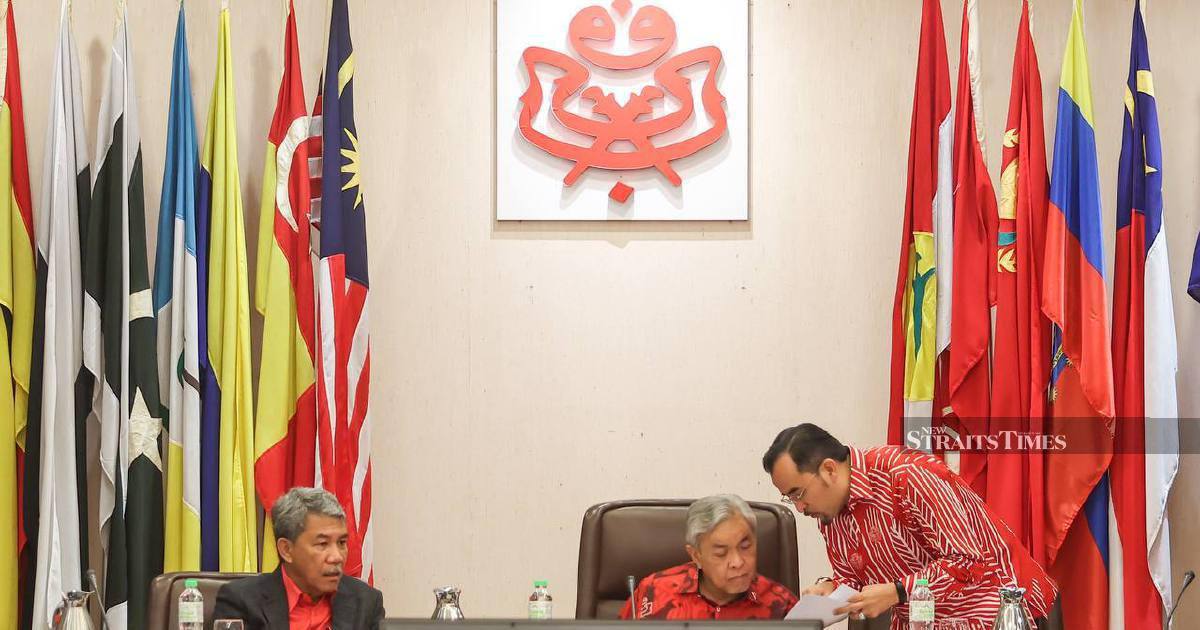
Individuals undergoing investigation and detention must be afforded the presumption of innocence rather than facing automatic condemnation, according to Umno secretary-general Datuk Dr Asyraf Wajdi Dusuki. Speaking in Kuala Lumpur, he stressed the importance of maintaining fundamental legal principles that protect individuals' rights during the investigative process.
The statement arrives amid an ongoing scrutiny of how Malaysia's law enforcement and public discourse treat those detained for investigations. The emphasis on presumption of innocence reflects constitutional safeguards enshrined in Malaysia's Federal Constitution, which guarantees that no person shall be presumed guilty of any criminal offense unless proven so in accordance with the law.
Asyraf's remarks underscore a critical distinction between the investigative phase and judicial proceedings. When authorities detain or interrogate individuals, they are gathering evidence to establish facts and determine whether charges should be filed. This investigative stage is fundamentally different from a criminal trial, where the burden of proof rests on the prosecution and the accused enjoys extensive legal protections.
The timing of his comments suggests concern about public perception and media coverage of high-profile detentions. In Malaysia's information-saturated environment, individuals detained for investigations often face reputational damage through social media campaigns and public commentary that effectively presume guilt before any formal charges or trial proceedings commence. This phenomenon can influence both judicial outcomes and the individual's ability to resume normal life even if subsequently acquitted.
Malaysian courts operate within an adversarial system where the prosecution must prove guilt beyond reasonable doubt. The presumption of innocence serves as a foundational bulwark against wrongful conviction and protects individual rights during what can be a vulnerable period. Once individuals are arrested or detained for questioning, they become subject to intensive scrutiny from both authorities and the public sphere, making legal protections particularly crucial.
The principle that Asyraf articulated has broader implications for Malaysia's justice system credibility. When society collectively treats detainees as guilty before trial, confidence in the judiciary diminishes. Potential jurors and judges may enter proceedings with preconceived notions influenced by media narratives rather than courtroom evidence. This undermines the fairness that trials are meant to ensure and can lead to wrongful convictions based on public sentiment rather than legal merit.
In recent years, Malaysia has witnessed several high-profile cases where individuals detained faced intense public judgment before evidence was presented or charges formally filed. These incidents have raised concerns among legal practitioners and human rights advocates about the erosion of fair trial principles in the court of public opinion. Asyraf's intervention signals recognition within the ruling coalition that attention to these fundamental protections remains necessary.
The presumption of innocence also carries practical consequences for detainees' families and livelihoods. Many arrested individuals lose employment, face financial hardship, and suffer social ostracism before any conviction occurs. Should they be acquitted or charges withdrawn, they must rebuild lives severely disrupted by investigation periods. This collateral damage—separate from any criminal penalty—argues powerfully for maintaining robust protection of presumption of innocence.
International human rights bodies and Malaysia's own constitutional framework recognize that investigative detention must operate within defined limits with explicit safeguards. These include prompt notification of charges, access to legal counsel, and regular court review of detention necessity. Asyraf's statement implicitly reinforces that these procedural protections gain meaning only when coupled with public acceptance that detainees remain legally innocent until proven otherwise.
For Malaysian readers, understanding this principle matters regardless of political affiliation or public opinion about specific cases. The same legal protections that shield someone you believe is guilty will protect you or your family members should you face arrest. Justice systems depend on consistent application of principles, not selective enforcement based on public sentiment. When legal protections erode for unpopular defendants, they erode for everyone.
The challenge ahead lies in translating Asyraf's statement into practical reality. Malaysian media outlets and social media users must balance reporting on significant detentions with responsible restraint in judgment. Authorities must ensure investigation procedures don't create public impressions of guilt through selective leak of information. Judges must resist being swayed by public opinion in reaching verdicts. These shifts require cultural and institutional change beyond any single politician's appeal.
Asyraf's intervention represents an important reminder that Malaysia's legal system, like all functioning democracies, depends fundamentally on respecting presumptions of innocence. The statement gains particular significance coming from Umno's leadership, suggesting that even within the ruling coalition, recognition persists that constitutional principles protecting individual rights deserve continued emphasis and protection regardless of investigative circumstances or public controversy.

