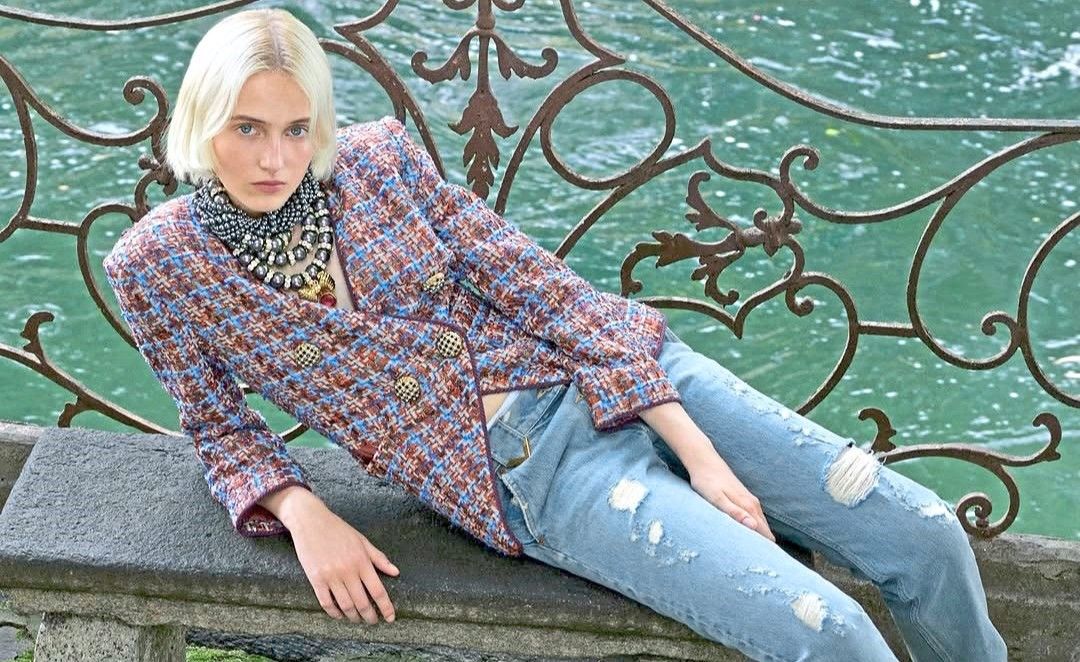
The world of haute couture has long celebrated precision, pristine tailoring and impeccable finishing. Yet today's luxury market is celebrating its opposite—garments that appear neglected, weathered and damaged. This counterintuitive shift reveals evolving attitudes toward consumption, authenticity and value among affluent consumers willing to pay substantial sums for clothes designed to look as though they have survived decades of wear.
Traditional markers of quality have always emphasised flawlessness: perfectly aligned seams, untouched fabric, and the absence of blemishes. High fashion houses built their reputations on delivering garments free from defects. A luxury item represented pristine newness, a clean slate ready for its owner's first wearing. This standard has governed the industry for generations, reinforcing the notion that perfection and exclusivity naturally aligned.
Yet several prominent designers now challenge this assumption by intentionally introducing the aesthetic of age and decay. Chanel's revered 2.55 handbag—a twentieth-century icon—now arrives with deliberately distorted proportions, as though subjected to rough handling. Prada has introduced pieces featuring yellowed patches reminiscent of vintage fabrics left abandoned in storage facilities. Coach launched an entire collection branded "Loved Leather," a euphemism for pre-scuffed leather goods manufactured to display immediate signs of use. The commercial success proved remarkable: the line sold so rapidly that Coach reissued comparable designs in alternative finishes, validating consumer appetite for this aesthetic.
This trend carries practical implications for Malaysian consumers and Southeast Asian fashion enthusiasts. As luxury houses normalise the distressed aesthetic, purchasing decisions become more nuanced. Buyers no longer face the pressure to preserve new acquisitions in mint condition—damage becomes licensed and indeed fashionable. This philosophical shift potentially extends garment lifecycles by eliminating anxiety about accidental wear, though the paradox remains that deliberately manufactured damage commands premium pricing unavailable to authentically aged pieces.
Designers approach the distressed trend through varying creative lenses. Ralph Lauren positions torn denim within traditionally preppy contexts, pairing heavily ripped jeans with formal elements: crisp shirts, neckties, waistcoats and blazers. This juxtaposition of refined tailoring with casual destruction creates deliberate visual tension. Burberry interprets the worn aesthetic through stonewashed pink denim, combining the faded jacket-and-jeans duo with argyle layering to establish what the house terms "prep-punk"—a collision between conservative dressing codes and youthful rebellion. These designers understand that distressed fabrics gain cultural resonance when positioned against formal or refined contexts, generating impact through contrast.
Other houses explore the soiled aesthetic with equal commitment. Sandro's Spring/Summer 2026 offering features cropped vests and shorts finished with rustic studs and brown suede trimming, evoking ranch wear aesthetics. Louis Vuitton has introduced denim jackets deliberately marked with earth-toned splatters and sandy residue, designed to appear as though subjected to muddy outdoor abuse. Acne Studios applies mud-like patinas to denim, pairing these with crumpled jackets to amplify the intentionally unkempt appearance.
Valuentino presents perhaps the most striking contradiction: the Italian house traditionally synonymous with elegance and refinement now presents tweed jackets with gold buttons positioned alongside aggressively shredded denim, accessorised with pearl necklaces and studded heels. This combination deliberately violates conventional styling logic, asserting that luxury no longer requires coherence or polish. The message embedded within these collections suggests that true confidence and sophistication now permit—even demand—aesthetic imperfection.
The commercial viability of deliberately damaged luxury goods raises questions about consumer psychology and brand loyalty in affluent markets. Purchasers invest significantly in items designed to appear as though they lack value or care. This inversion of traditional luxury marketing suggests shifting definitions of desirability among high-income consumers, particularly younger demographics suspicious of conspicuous newness. The distressed aesthetic paradoxically communicates authenticity and lived experience—qualities increasingly prized in materialistic societies accustomed to mass production and disposability.
For Southeast Asian consumers navigating luxury markets, this trend carries particular significance. Regional preferences have historically emphasised pristine condition and visible newness as indicators of status and wealth. Embracing deliberately worn aesthetics requires cultural recalibration, suggesting that true luxury sophistication permits imperfection and casual disregard for preservation. This shift potentially democratises luxury consumption by removing the burden of meticulous maintenance that accompanies traditional high-end purchases.
The commercial success of distressed collections indicates that fashion's traditional hierarchies continue evolving. Designers no longer compete solely on technical excellence and flawless execution; instead, they cultivate desirability through conceptual boldness and philosophical statements about authenticity. Deliberately damaged garments command waiting lists because they communicate counterintuitive messages: that damage signifies lived experience, that imperfection conveys confidence, and that true luxury permits aesthetic contradiction. Whether this represents genuine evolution in taste or merely marketing cleverness remains debatable, yet the trend's persistence across multiple houses suggests something more fundamental about contemporary attitudes toward consumption and identity.

