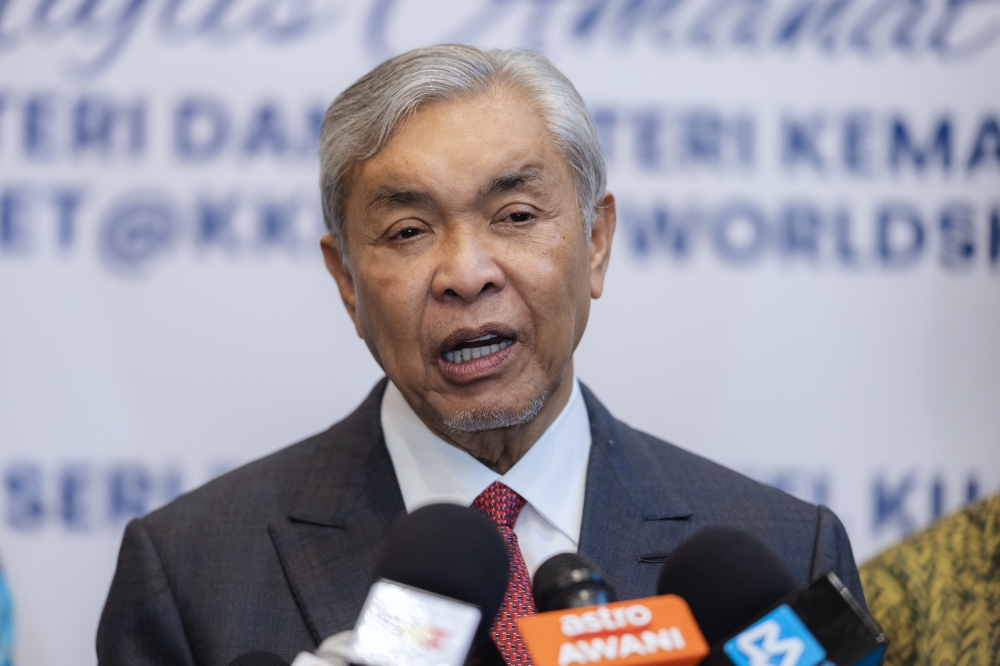
Deputy Prime Minister Datuk Seri Dr Ahmad Zahid Hamidi has made a significant commitment to incentivise excellence among Malaysia's vocational workforce by pledging to fully sponsor umrah pilgrimages for TVET trainees who achieve gold medal status at the WorldSkills international competition. The gesture represents an attempt to elevate the profile and prestige of technical vocational education within the country whilst rewarding high-performing students with a spiritual and personal reward beyond the conventional recognition typically associated with competitive achievement.
This initiative signals a broadening approach within Malaysia's governance structure to acknowledge and celebrate vocational accomplishment on par with academic distinction. Historically, TVET pathways have encountered perception challenges in the Southeast Asian region, where university education has traditionally dominated aspirational narratives for families and students. By attaching a meaningful material and spiritual incentive to WorldSkills success, policymakers appear intent on reshaping how vocational training and technical expertise are valued within society.
The WorldSkills competition represents one of the most prestigious international platforms for showcasing technical capability across diverse disciplines. Malaysia's participation in these global contests has grown steadily, with national contingents competing across categories ranging from automotive technology and electrical installation to culinary arts and information technology. Gold medal achievements at this level demand sustained excellence, rigorous skill development, and often years of dedicated preparation through structured TVET programmes.
The umrah sponsorship carries particular resonance within Malaysia's cultural and religious context. For Muslim trainees, the opportunity to undertake the lesser pilgrimage to Mecca represents both a spiritual milestone and a meaningful recognition of their accomplishments. The government's willingness to facilitate this experience suggests an integrated approach to welfare that acknowledges the multi-dimensional aspirations of the younger generation beyond purely economic metrics.
Vocational education reform has emerged as a central concern for Malaysian policymakers contending with labour market shifts, skills gaps, and the need for workforce adaptability in an increasingly digitalised economy. TVET programmes prepare workers for immediate employment in critical sectors including manufacturing, construction, telecommunications, and service industries that underpin economic stability. Supporting and incentivising excellence within these pathways strengthens the overall quality of Malaysia's technical workforce and reduces dependence on foreign skilled labour in specific sectors.
The announcement reflects broader regional patterns where governments across Southeast Asia are attempting to reposition vocational education as a legitimate and attractive career pathway. Countries including Singapore, Thailand, and Vietnam have implemented comprehensive strategies to elevate the status and quality of technical training, recognising that sustained economic competitiveness requires not only knowledge workers but also highly skilled technicians and craftspeople capable of innovating and problem-solving within practical domains.
For Malaysian employers and industries relying on skilled technical personnel, this initiative carries encouraging implications. Gold medal winners at WorldSkills competitions have already demonstrated mastery in their respective fields and possess the discipline, creativity, and technical depth valued across advanced manufacturing and service sectors. Creating additional recognition and incentive structures for these individuals may contribute to retaining talent within the Malaysian economy rather than seeing high-performing TVET graduates migrate to overseas opportunities.
The umrah sponsorship also carries implications for equity and accessibility within the vocational education system. TVET programmes draw students from diverse socioeconomic backgrounds, including many from rural and lower-income communities for whom technical training represents a pathway to stable employment and social mobility. Meaningful prizes and recognition can serve as motivational anchors for vulnerable cohorts and demonstrate tangible government commitment to their development and success.
Implementing this initiative will require coordination across multiple government agencies, including the Ministry of Human Resources, the relevant technical training institutions, and administrative bodies responsible for pilgrimage arrangements. Clear criteria for eligibility, transparent selection processes, and timely delivery of promised benefits will determine whether this pledge translates into genuine impact on student motivation and institutional reputation.
Looking beyond the immediate incentive structure, the announcement hints at deeper questions about how Malaysia values different forms of human capital development and excellence. As the country navigates transitions toward higher-value manufacturing and knowledge-intensive sectors, maintaining and enhancing the quality of its technical workforce through vocational pathways remains strategically vital. Recognising and celebrating TVET achievement at the highest international levels contributes to reshaping cultural narratives that have historically privileged academic over practical expertise.
For TVET students currently enrolled in Malaysian institutions, this commitment offers tangible motivation to pursue competitive excellence at international levels. The combination of financial assistance with spiritual opportunity creates a compelling proposition that extends recognition beyond trophy and credential into lived experience. International exposure through WorldSkills participation itself provides invaluable benefits including exposure to global best practices, networking with international peers, and development of professional competencies essential for modern work environments.
The Deputy Prime Minister's pledge ultimately reflects recognition that Malaysia's development trajectory depends not solely on traditional academic pathways but on cultivating excellence across all domains of human capability. By positioning TVET achievement as worthy of national celebration and substantial reward, the government signals readiness to invest in the comprehensive skill development required to sustain competitive advantage in an increasingly complex global economy.

