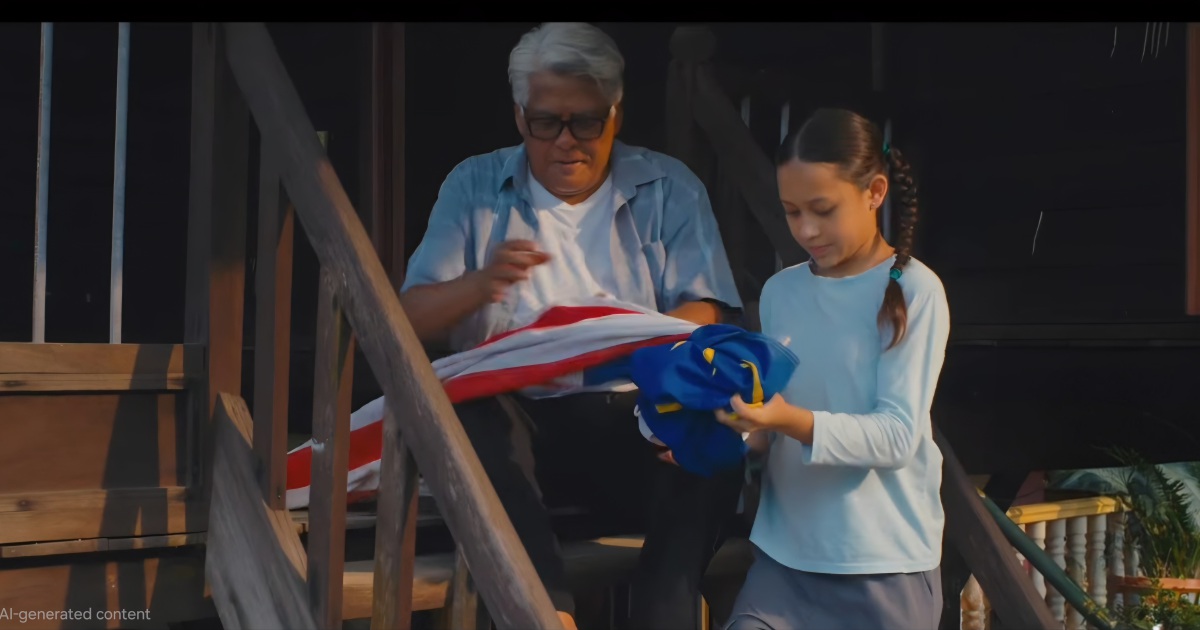
As Malaysia marks another Hari Kebangsaan, a carefully crafted eight-minute video released through Deputy Prime Minister Datuk Seri Fadillah Yusof's Facebook page has emerged as a focal point for conversations about national identity and collective belonging. The production's resonance with online audiences reflects a deeper appetite among citizens for leadership messaging that transcends the usual partisan frameworks and instead attempts to locate common ground across the nation's diverse communities.
The timing of the video's release carries particular significance given the current state of Malaysian politics. The country has spent considerable energy in recent years navigating questions about representation, inclusion, and what it means to be Malaysian in an increasingly complex demographic and social landscape. By choosing to emphasise that Malaysia belongs to all of its citizens, Fadillah's message positions itself against a backdrop of periodic tensions over historical narratives, religious identity, and communal rights that have occasionally dominated public discourse.
The decision to utilise video as a medium rather than traditional speechmaking speaks to evolving communication strategies within government. Digital platforms enable politicians to craft more intimate, visually compelling narratives that can circulate organically through social networks. The eight-minute duration suggests an ambition to move beyond sound-bite politics, offering space for more developed argumentation about what national unity might entail in practical terms. For viewers, the format allows for consumption on personal timescales and in private spaces, potentially encouraging more reflective engagement than traditional broadcast addresses.
Fadillah's position as Deputy Prime Minister lends particular weight to such messaging. As second in command, his public statements carry official gravitas whilst remaining slightly removed from the intense scrutiny that sometimes surrounds pronouncements from the highest office. This positioning may allow for more experimental or emotionally direct communication about national issues without triggering the same political sensitivities that can attend remarks from the Prime Minister himself.
The video's emphasis on inclusive belonging arrives at a moment when Malaysia's multicommunal fabric requires continued conscious reinforcement. The nation's success as a functioning multiethnic democracy depends substantially on the active commitment of political leaders and citizens to maintaining interethnic cooperation and mutual respect. Public articulations of inclusive nationalism serve a crucial function in sustaining these foundational commitments, particularly when they reach audiences through popular digital channels where they can generate peer-to-peer discussion.
For Southeast Asia more broadly, Malaysia's approach to managing ethnic and religious diversity carries important lessons. Regional neighbours grapple with similar challenges of building cohesive national identities across multiple communities with distinct historical memories and contemporary interests. When Malaysian leaders successfully articulate visions of shared citizenship, they demonstrate possibilities for other nations navigating comparable terrain. The international dimension of such messaging, though perhaps not primary, reinforces Malaysia's position as a functioning plural society within a region where such achievements cannot be taken for granted.
The online reception of Fadillah's video suggests that significant segments of the Malaysian population harbour genuine appetite for unity-focused messaging from political leadership. Social media responses often reveal yearning for alternatives to narratives of division or conflict. Whether this represents authentic shift in public sentiment or a more temporary response to Merdeka-season emotionalism remains an open question. Nonetheless, the engagement itself indicates that messaging platforms emphasising commonality find ready audiences amongst Malaysians seeking reassurance about their nation's trajectory.
The content and framing of such videos matter substantially for their ultimate impact. Messages that speak to concrete shared experiences or aspirations tend to resonate more deeply than abstract exhortations toward unity. Effective unity rhetoric acknowledges real differences whilst arguing persuasively for why collaboration across those differences serves everyone's interests. The degree to which Fadillah's specific messaging meets these criteria will partly determine whether the video remains a momentary viral moment or catalyses more sustained conversation about national identity and collective purpose.
The production values evident in government digital content have evolved considerably in recent years. Well-crafted videos with thoughtful cinematography, evocative music, and clear messaging can reach audiences who might not engage with traditional political communication. This democratisation of political media production allows messages to transcend the gatekeeping function of traditional broadcast journalism, reaching citizens directly through their preferred platforms. For younger Malaysians especially, such approaches align with existing media consumption habits and social rhythms.
Looking forward, the question becomes whether single videos or occasional statements suffice to build and sustain national unity, or whether such messaging requires consistent reinforcement through both symbolic communication and substantive policy action. Citizens may appreciate stirring words about inclusive belonging, but lasting unity depends on tangible policies, resource allocation, and institutional practices that genuinely reflect commitments to fairness and equal treatment across communities. The video represents an important symbolic gesture, yet its ultimate meaning derives from whether it accompanies meaningful structural shifts in how power and resources are distributed within Malaysian society.

