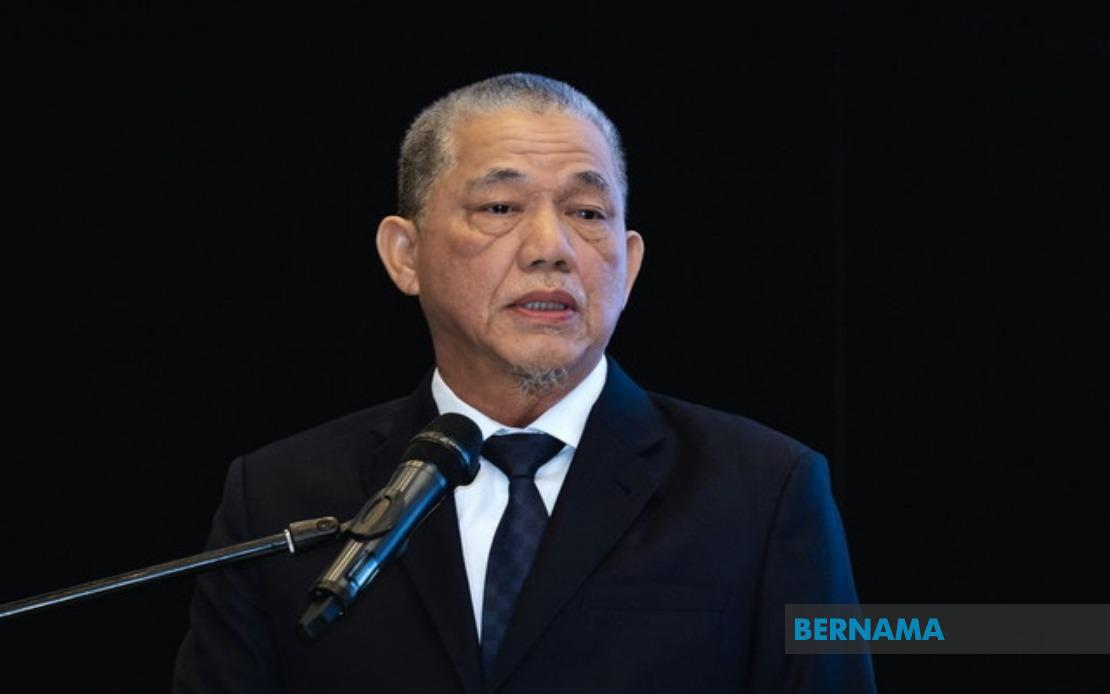
Deputy Prime Minister Datuk Seri Fadillah Yusof is scheduled to undergo heart bypass surgery at the National Heart Institute (IJN) in the coming weeks, his office announced from Putrajaya. The decision follows recommendations from his medical team after examination and assessment of his cardiac condition. Fadillah's press secretary, Datuk Misiah Taib, released the statement on August 3, confirming the planned procedure while providing limited additional detail about the scope or expected timeline of the operation.
The announcement marks a significant development for Malaysia's political leadership, as Fadillah holds the dual portfolios of Deputy Prime Minister and Minister of Energy Transition and Water Transformation (PETRA). His temporary withdrawal from public duties during recovery will require other ministers and government officials to shoulder additional responsibilities during what could be an extended period away from his official functions. The timing of such medical procedures typically requires weeks of preparation and several weeks of convalescence, meaning his absence from ministerial activities and cabinet meetings may extend into late August or September.
According to his office, Fadillah currently remains in a stable medical condition, which suggests that his condition was identified and addressed before reaching a critical stage. The medical team's recommendation for bypass surgery typically indicates significant blockage in coronary arteries that could impede blood flow to the heart muscle. This procedure, while routine in modern cardiac centres like IJN, remains a major surgical intervention that demands careful post-operative management and rehabilitation.
The family has requested privacy during this period, asking the public to refrain from visiting and urging Fadillah to rest completely to facilitate his recovery process. This approach is medically sound, as patients undergoing cardiac surgery require minimal external stimulation and maximum rest to allow their bodies to heal properly from the trauma of major surgery. The press statement emphasised that uninterrupted treatment and recovery are paramount, reflecting medical best practice for post-operative cardiac patients.
IJN, where Fadillah will receive treatment, is Malaysia's premier specialist heart hospital, equipped with world-class facilities and staffed by experienced cardiac surgeons and cardiologists. The institution has handled numerous high-profile cases and maintains international standards in cardiac care. The choice of IJN underscores the seriousness with which the government is treating Fadillah's condition and ensures he will receive treatment comparable to standards available in leading international cardiac centres.
For Malaysia's political establishment, this development highlights the importance of succession planning and ensuring continuity of government operations when senior leaders require medical leave. While Fadillah's condition is reportedly stable, the need for bypass surgery indicates a significant health challenge that will require months of recovery and rehabilitation. The cabinet and parliament will need to manage the distribution of his responsibilities across other ministers to maintain effective governance during his absence.
The public's response to the announcement has been marked by expressions of concern and well-wishes from various political figures and members of the public. The family's request for prayers reflects the seriousness of cardiac surgery, even when performed in well-equipped facilities. Heart bypass surgery, while common and generally successful, carries inherent surgical risks that merit serious consideration and prayers from those concerned about Fadillah's wellbeing.
Fadillah's medical situation also serves as a broader reminder of the health challenges that senior government figures face, particularly those holding demanding positions that involve long working hours and high-stress responsibilities. Political leaders in Malaysia and across the region frequently work under considerable strain, managing complex policy issues and extensive public engagement while balancing personal health considerations. His condition may prompt discussions about health screening protocols for senior government officials and the importance of early detection of cardiovascular conditions.
The government has assured continuity of operations in Fadillah's portfolios during his recovery period. Energy transition and water transformation remain critical policy areas for Malaysia's development agenda, and other officials will need to ensure these initiatives continue without significant disruption. The energy transition portfolio is particularly important given Malaysia's commitments to renewable energy and climate objectives, while water management remains essential for national development and environmental sustainability.
Fadillah's recovery process will likely span several months, including initial hospitalisation, discharge from hospital, and then extended home-based rehabilitation. Cardiac surgery patients typically require six to eight weeks before returning to normal activities, with gradual resumption of work responsibilities depending on individual recovery rates and the advice of medical professionals. His return to full ministerial duties will depend on his progress through these recovery phases.
The announcement demonstrates the importance of transparency regarding the health status of senior government officials, allowing the public and government machinery to understand and prepare for any changes in administrative operations. Fadillah's office has handled the disclosure thoughtfully, providing essential information while respecting privacy and focusing attention on his recovery. This balanced approach reflects understanding of both public accountability and personal dignity during a challenging medical period.

