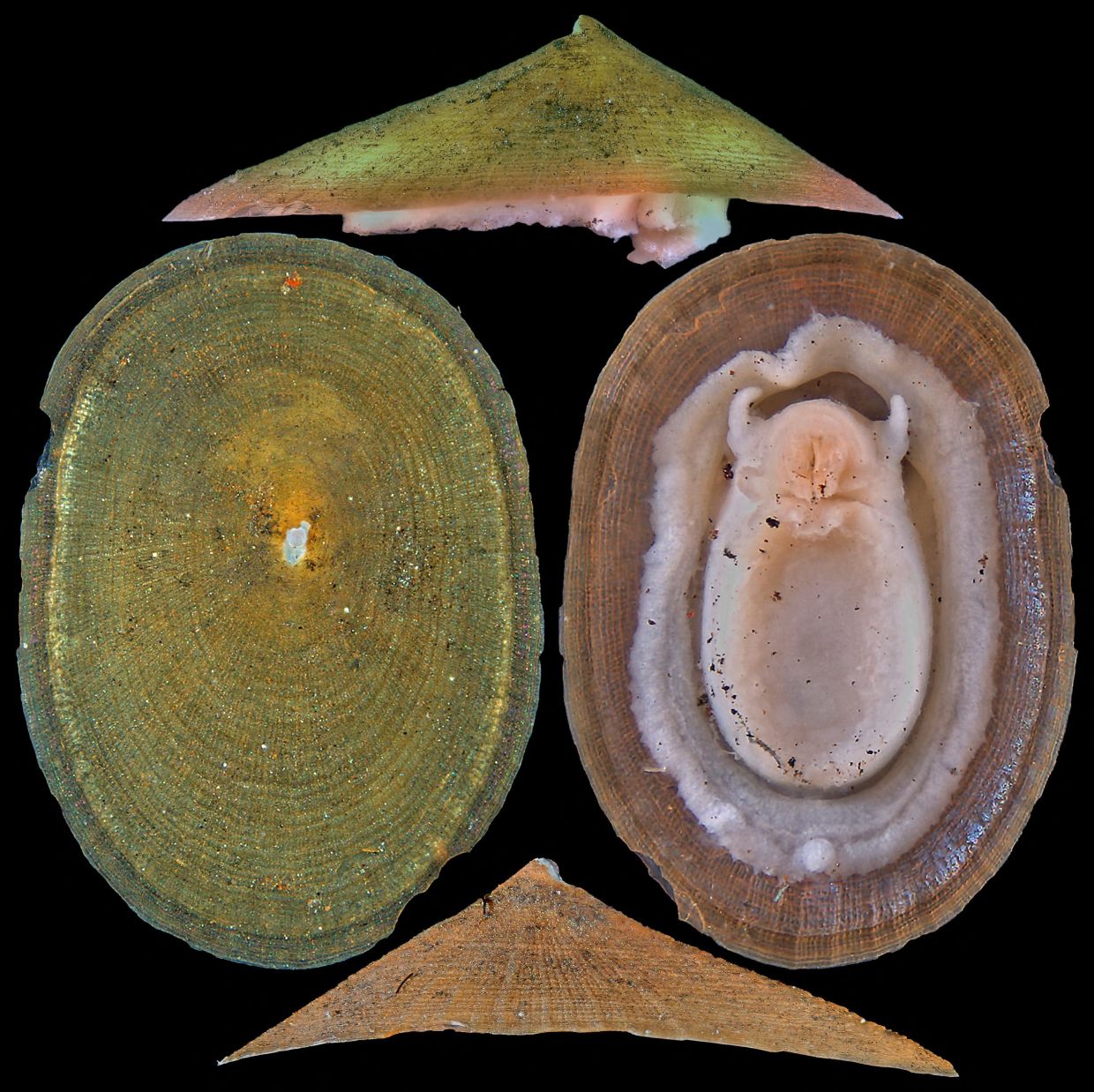
The International Union for Conservation of Nature has delivered a stark warning about the collateral damage inflicted by deep-sea mining operations, identifying hydrothermal vent molluscs as amongst Earth's most imperilled creatures. In an updated assessment of its Red List of Threatened Species released Thursday, the Swiss-based conservation organisation revealed that 125 out of 201 known endemic mollusc species dwelling on the ocean floor face extinction peril directly attributable to mineral extraction activities. This represents 62 percent of all hydrothermal vent molluscs globally, a startling proportion that underscores the vulnerability of species confined to the planet's most extreme and remote ecosystems.
These molluscs inhabit crushing depths reaching 5,000 metres below the surface, where they cluster around hydrothermal vents expelling superheated water exceeding 450 degrees Celsius. The assemblage encompasses diverse taxa including snails, limpets, mussels, clams and chitons, creatures whose existence was largely unknown to science until recent decades. Many species have entered the scientific record only within the past decade, yet they are already confronting the existential threat posed by industrial seabed disruption before researchers have adequately understood their ecological roles or reproductive requirements.
The mechanics of deep-sea mining create widespread habitat destruction through mechanisms that extend far beyond the immediate excavation sites. Exploration and extraction operations generate sediment plumes that descend through the water column, suffocating organisms and fundamentally altering the chemical composition of their surroundings. These suspended particles compromise the molluscs' ability to extract nutrients from the water, disrupting the finely calibrated biological processes that sustain life in this alien environment. The sediment clouds persist far longer than the mining operations themselves, creating extended zones of biological stress that ripple through fragile deep-sea ecosystems.
Julia Sigwart, representing the IUCN's mollusc specialist group, characterised the situation as critically urgent. She emphasised that hydrothermal vent molluscs represent one of the most severely threatened animal cohorts on Earth, and that the coming years represent a pivotal window determining whether these species persist or vanish entirely. This assessment carries particular weight given that many vent species possess extremely localised distributions, dwelling only around individual vents or small clusters of vents, rendering them acutely vulnerable to any localised disturbance. The geographic specificity of these populations means that mining activity affecting even a single vent system could trigger regional extinctions.
In 2021, the IUCN formally advocated for a comprehensive moratorium on deep-sea mining operations, conditional only upon the implementation of robust marine environmental protections. This position reflects growing scientific consensus that existing regulatory frameworks remain inadequate to safeguard the deep-sea environment's integrity. The organisation's updated Red List now encompasses 175,909 species total, an increase from 172,620 in the previous edition, with 49,505 classified as threatened with extinction compared to 48,646 previously. These expanded numbers reflect both improved scientific knowledge and genuine environmental deterioration.
Grethel Aguilar, leading the IUCN, articulated the broader philosophical dimension of this crisis. She observed that life on Earth has demonstrated remarkable ingenuity in adapting to the most inhospitable circumstances imaginable, with deep-sea molluscs exemplifying this evolutionary achievement. Yet mounting pressures on biodiversity across the planet now threaten even these supremely specialised creatures whose survival strategies evolved over millions of years. The irony remains sharp: species that successfully mastered one of Earth's harshest environments now find themselves vulnerable to anthropogenic threats emanating from the surface world.
The conservation update also highlighted concerning developments affecting terrestrial species with high public profiles. The desert rain frog, widely beloved on social media platforms for its diminutive size and distinctive vocalisation, has deteriorated from "near threatened" to "vulnerable" status. This degradation results from diamond mining activities and energy infrastructure expansion along the west coasts of South Africa and Namibia, regions where this species maintains its sole natural populations. Without intensified conservation intervention, population projections anticipate a 20 percent decline across the next decade, a trajectory that would compound existing pressures on this charismatic amphibian.
Conversely, Australia's numbat, a small marsupial also termed the banded anteater, offers a contrasting narrative demonstrating conservation's potential when properly resourced and sustained. This species has advanced from "endangered" to "near threatened" classification, representing tangible recovery in a context where Australian marsupials face severe predation pressure from introduced cats and foxes. Current population estimates suggest between 2,000 and 3,000 individuals exist today, a substantial increase from the few hundred surviving in the 1970s. This recovery reflects deliberate captive breeding initiatives and habitat protection programs maintained over decades, demonstrating that strategic, long-term collaborative effort can reverse extinction trajectories.
John Woinarski, co-chairing the IUCN's Australasian marsupial and monotreme specialist group, extracted a broader conservation lesson from the numbat's recovery. He stressed that abandoning such protective efforts would swiftly reverse gains already achieved, as invasive predators would resume driving small Australian marsupials and native rodents toward extinction. This observation carries implications extending across the region, where introduced species represent one of the primary extinction threats confronting native fauna. The numbat example suggests that regional biodiversity, including within Southeast Asia where comparable threats exist, remains recoverable if political commitment and financial resources materialise to support implementation of evidence-based conservation strategies consistently over extended timeframes.

