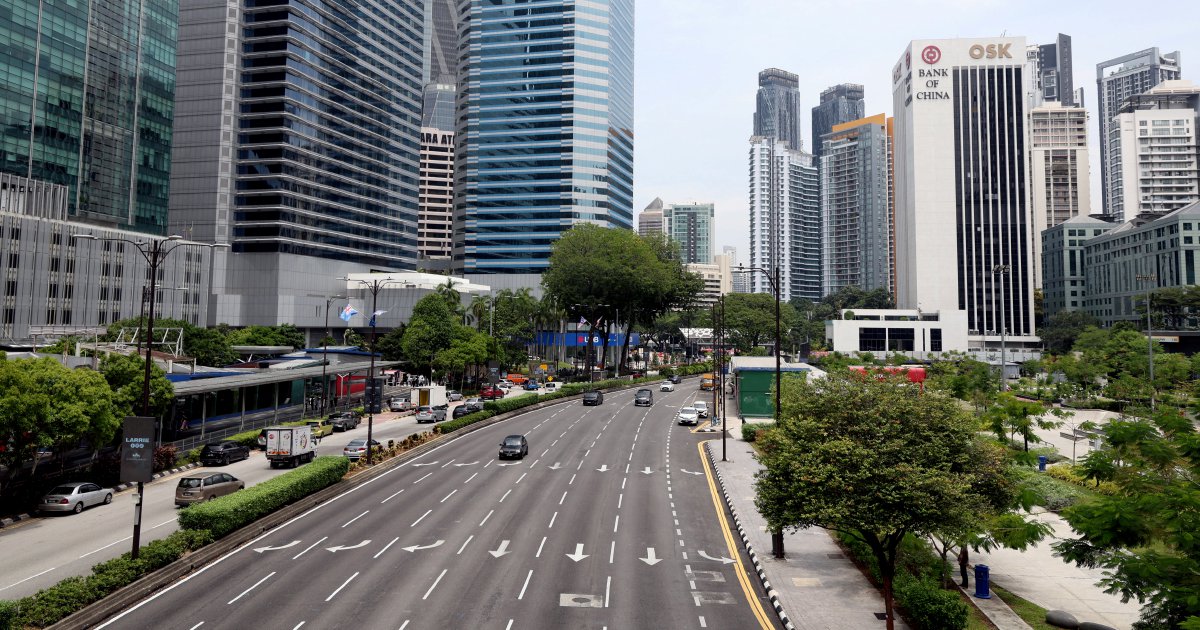
Kuala Lumpur City Hall (DBKL) has moved swiftly to investigate the circumstances surrounding a fatal tree-fall incident and commenced an extensive inspection programme targeting mature and potentially unstable trees positioned along major thoroughfares across the capital. The administrative action represents an effort to identify and mitigate risks posed by large trees in urban settings where pedestrians and vehicle traffic are concentrated.
The incident has prompted municipal authorities to reassess their arboricultural management practices and shift focus towards preventative maintenance of the city's mature tree stock. DBKL's technical investigation will seek to determine what conditions or factors contributed to the tree's failure, whether through structural weakness, disease, root damage, or environmental stress. Understanding the precise mechanism of failure becomes critical for developing protocols to prevent similar occurrences elsewhere throughout the municipality.
The inspection programme underway represents a broader shift in municipal approach to urban forestry. Rather than responding reactively to incidents, DBKL appears to be adopting a more systematic methodology for evaluating trees that pose elevated risk to public safety. Major roads in particular warrant heightened scrutiny, given the concentration of foot traffic and vehicles that would be endangered by falling branches or complete tree failure during peak hours.
Mature trees in tropical environments face distinctive challenges that temperate-climate municipalities rarely encounter. High humidity and intense rainfall characteristic of Malaysia's climate accelerates wood deterioration and fungal colonization of trees. Simultaneously, shallow monsoon-driven winds can destabilize root systems, particularly where urban development has compromised soil depth or quality. The interplay between tropical conditions and urban constraints creates a specific set of arboricultural challenges that standard inspection protocols may inadequately address.
For Malaysian property owners and residents accustomed to extensive tree cover in residential and commercial areas, the incident raises uncomfortable questions about broader safety standards. Many homes and buildings in Kuala Lumpur's older districts have mature trees positioned in close proximity to structures, yet comprehensive assessments of their structural integrity remain uncommon. The DBKL investigation may catalyse discussions about whether private landowners should bear responsibility for regular professional arboricultural audits of large trees on their properties.
The timing of this initiative arrives as Southeast Asian cities increasingly grapple with balancing green infrastructure objectives against public safety imperatives. Urban planners across the region have promoted expanded tree canopy coverage as a climate adaptation strategy and quality-of-life enhancement, particularly in rapidly developing cities where concrete and asphalt dominate. However, these objectives become untenable if trees themselves become hazards, underscoring the necessity for disciplined maintenance frameworks that accompany aggressive tree-planting campaigns.
DBKL's inspection methodology will likely incorporate visual assessment of structural integrity, detection of disease indicators, evaluation of root plate stability, and examination of the surrounding environment for factors that might compromise tree health. Professional arborists typically employ resistance drilling, sonic tomography, and other diagnostic technologies to assess internal wood condition without felling trees. Whether DBKL possesses in-house capacity for such sophisticated assessments or requires engagement of external contractors remains unclear, though the scope and urgency of the programme suggest external expertise may be necessary.
The investigation carries implications beyond Kuala Lumpur's boundaries. Other Malaysian municipalities, including Petaling Jaya, Subang Jaya, and the Selangor authorities, likely confront identical challenges regarding mature urban tree inventories and safety management. If DBKL's findings reveal systemic vulnerabilities in how cities assess and maintain large trees, a coordinated regional response may become necessary. Sharing inspection protocols and findings across municipal boundaries would represent efficient risk management for the Klang Valley agglomeration.
Insurance implications also warrant consideration. Property owners whose trees damage neighbouring structures or injure persons typically face liability claims, yet the burden of demonstrating negligence varies according to jurisdiction. If DBKL's investigation determines that standard professional inspection would have identified hazardous conditions, this might establish a baseline standard of care that regulators and courts subsequently apply to private landowners. Conversely, if the incident proves essentially unforeseeable or unpreventable through reasonable measures, this could provide liability protection to parties maintaining apparently healthy trees.
The public response to the incident and DBKL's subsequent response will likely influence broader municipal policy development. Urban residents increasingly expect their local authorities to provide safe public spaces, and the visual presence of workers inspecting trees may reassure residents while simultaneously highlighting the administrative attention devoted to their welfare. However, if the inspection programme concludes that significant percentages of mature trees require removal or substantial intervention, this could trigger contentious debates about sacrificing urban greenery for perceived safety gains.
Looking forward, DBKL may need to develop a long-term tree asset management strategy that balances risk reduction with environmental and aesthetic objectives. This could involve establishing a geographic information system database documenting tree species, age, location, condition assessments, and maintenance history. Regular reassessment cycles and trigger points for intervention—whether pruning, cabling, or removal—would provide clarity for maintenance planning and budget allocation. Such systematic approaches represent best practice in well-resourced municipalities globally and may offer templates for DBKL's own framework development.

