Kuala Lumpur City Hall (DBKL) has responded to a damaging corruption assessment by implementing 16 sweeping governance and administrative reforms within the past six months. The initiative follows a particularly poor showing in the Public Service Corruption Ranking under the 2025 Local Authority Star Rating System, where DBKL managed only 0.08 per cent out of the allocated 5 per cent for evaluation. The revelation prompted the city authority to acknowledge the severity of the situation and embark on a comprehensive overhaul of its operational practices and institutional culture.
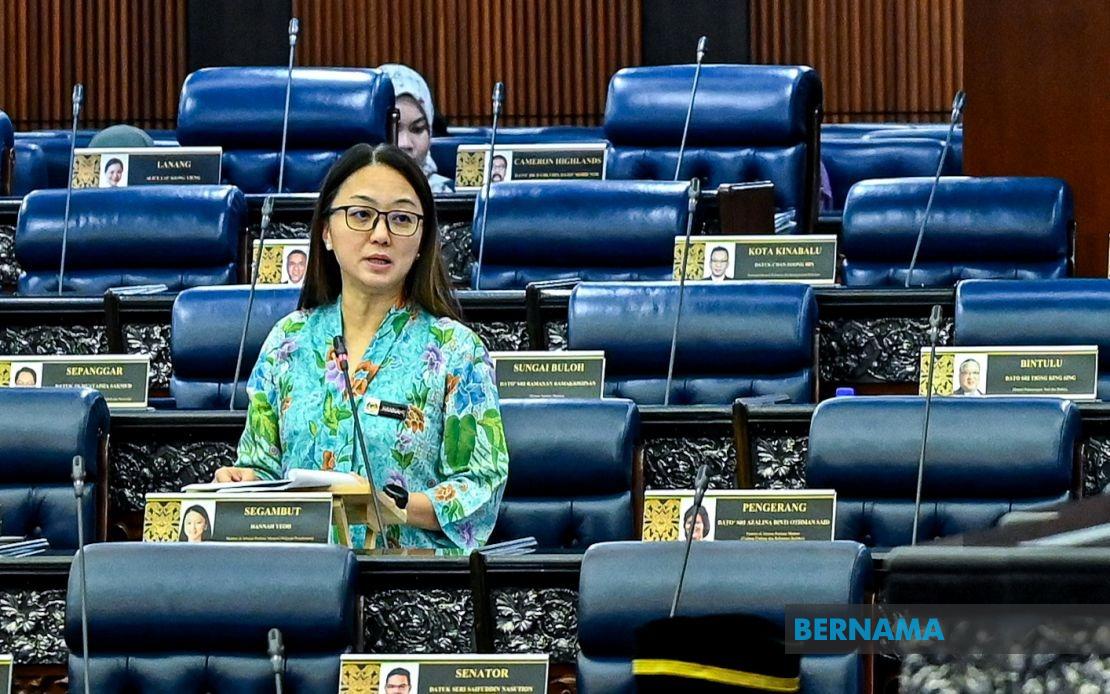
Minister in the Prime Minister's Department (Federal Territories) Hannah Yeoh disclosed the reform programme during parliamentary Question Time, revealing that an engagement session with Members of Parliament in the Federal Territory of Kuala Lumpur on March 2 had triggered a deeper investigation. The International Islamic University Malaysia (IIUM) subsequently conducted a study that identified four core areas requiring institutional strengthening: administration, governance, integrity, and service delivery systems. This academic assessment provided DBKL with a structured roadmap for transformation rather than ad hoc measures.
Central to the reform agenda was addressing specific procedural weaknesses flagged by the Malaysian Anti-Corruption Commission (MACC). The problems identified ranged across multiple critical operations: the production and content management of a radio studio broadcast initiative; the allocation and administration of Ramadan Bazaar trading sites; contract oversight for business licensing service providers; governance structures governing the Malaysian Statutory Bodies Association Sports Championship; and the collection and monitoring of rental payments from both public and people's housing projects. Each domain had demonstrated vulnerabilities that could facilitate mismanagement or corrupt practices, necessitating tighter controls and clearer protocols.
One particularly significant structural change involved dismantling the Special One Stop Centre (OSC) Committee. This decision reflects a deliberate effort to establish clearer separation of powers and insulate developmental decision-making from political pressure or interference. The move signals recognition that when development approval authorities operate under committee structures susceptible to political influence, the integrity of planning and land-use decisions becomes compromised. By eliminating this entity, DBKL has attempted to create institutional firewalls that protect technical and administrative judgements from partisan considerations.
Transparency mechanisms have been substantially enhanced through expanded access to digital infrastructure. All Members of Parliament representing constituencies within the Federal Territory of Kuala Lumpur now possess access to the OSC 3.0 Plus Portal, allowing them to scrutinise development applications and provide input to the mayor before approval decisions are finalised. This democratisation of information access serves multiple purposes: it creates accountability through parliamentary oversight, enables constituency representatives to advocate for their constituents' interests, and generates an audit trail of decision-making that deters arbitrary or corrupt approvals.
Financial controls have been tightened considerably through new capping mechanisms. The mayor's discretionary authority to approve contributions has been limited to RM3,000, with any larger requests requiring approval from the Top Management Committee. This threshold-based system eliminates opportunities for individual officials to dispense funds without institutional oversight, a frequent vulnerability in municipal administrations where personal relationships or informal understandings might otherwise influence disbursements. The establishment of dedicated governance committees—including an Audit Committee, a Governance and Integrity Committee, and a Mayor's Contributions Committee—further fragments decision-making authority and creates multiple checkpoints where potential irregularities might be identified.
A fundamental philosophical shift underpins these structural reforms. Hannah Yeoh emphasised that the intention is to transform DBKL's decision-making culture from one centred on individuals wielding discretionary power to a system anchored in collective deliberation, robust governance frameworks, and institutional integrity. This cultural reorientation addresses a common challenge in Southeast Asian municipal administrations where individual officials, particularly those holding senior positions, may exercise considerable autonomous authority. The establishment of mandatory committee-based decision-making for significant matters represents a direct attempt to counteract this pattern.
Operational safeguards have been implemented to reduce opportunities for corruption in day-to-day activities. The Audit Committee now operates independently from the mayor, ensuring that financial oversight functions without compromise or pressure from executive leadership. Job rotation policies for officers in sensitive positions reduce the risk of corrupt relationships becoming entrenched, a particular vulnerability in licensing and procurement functions where individuals might develop informal arrangements with repeat clients or contractors. The introduction of body-worn cameras for enforcement personnel, rolling out from the fourth quarter of 2024, creates objective records of compliance inspections and interactions with the public, reducing scope for inconsistent or corrupt enforcement practices.
Digitalisation represents perhaps the most ambitious long-term anti-corruption strategy. As of July, DBKL had introduced 170 online application services, with a target of 180 by year-end and complete online processing for all applications by 2030. The transition from physical document submission and in-person interactions to digital systems eliminates opportunities for informal payments, reduces personal discretion in service delivery, and creates permanent digital trails of decisions. The e-Lesen business licensing system exemplifies this approach: it has eliminated the need for runners or intermediaries who traditionally facilitated informal payments, while integration with the Departmental Enforcement System (SPJ) enables consistent, transparent license management. The extension of license validity to three years, implemented from July 1, simplifies administrative interactions and reduces frequency of contact that could facilitate corrupt practices.
These reforms carry implications beyond DBKL itself. As Malaysia's capital city authority, DBKL's governance standards influence perceptions of municipal management nationally and regionally. A major city demonstrating institutional weakness and corruption invites criticism from international observers and potentially damages Malaysia's standing in regional governance rankings. Conversely, successful implementation of these reforms could establish a model replicable across other local authorities in Malaysia and provide case study material for other Southeast Asian cities confronting similar governance challenges. The reforms also signal the central government's willingness to deploy structural and cultural interventions when local institutions underperform on integrity metrics, rather than tolerating chronic governance deficiencies.
The magnitude of reform DBKL is undertaking reflects the seriousness with which the federal government, through the Minister in the Prime Minister's Department, has treated the corruption assessment findings. Rather than dismissing the 0.08 per cent score as statistical anomaly or responding with superficial public relations measures, DBKL has embarked on institutional redesign affecting decision-making structures, financial controls, staffing practices, technological systems, and organisational culture. The success of these initiatives will become apparent through future assessments under the Local Authority Star Rating System, but the scope of intervention suggests genuine recognition that addressing governance corruption requires multifaceted change rather than isolated corrective measures.

