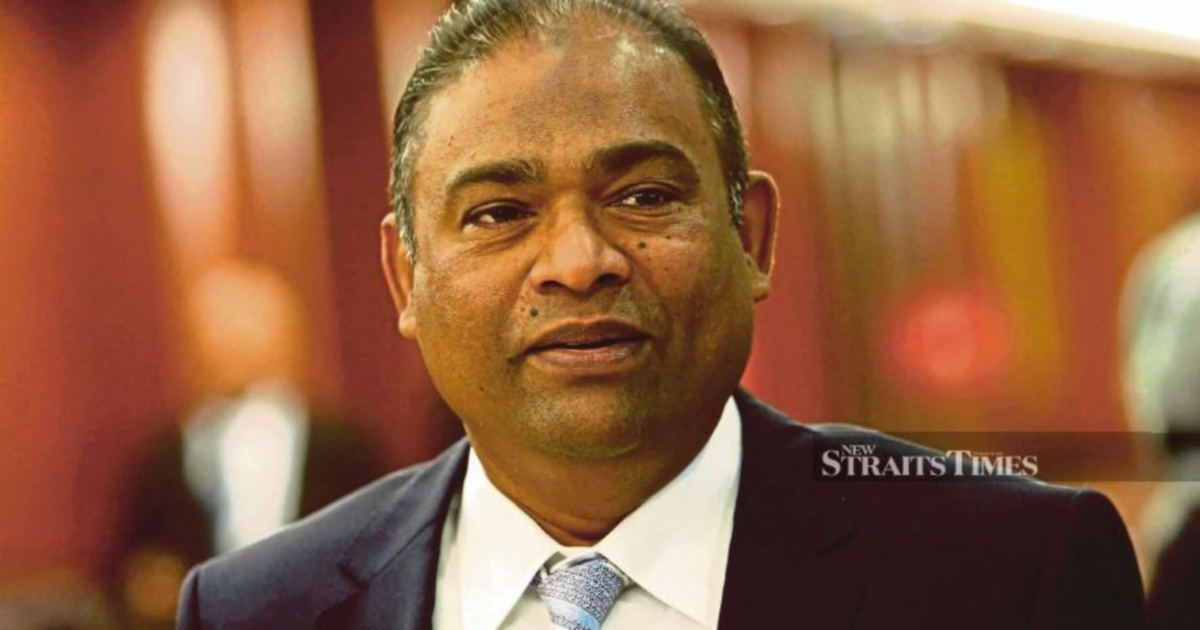
The family of former Tabung Haji chairman Datuk Seri Abdul Azeez Abdul Rahim moved to dispel widespread confusion over his status with Malaysian authorities on Wednesday, with his son Mohamed Khairul Azman issuing a public clarification that no arrest had taken place involving the MACC.
The statement came as speculation mounted in media circles regarding potential enforcement action against the former head of the pilgrimage fund management body. The clarification represents an important distinction between investigative scrutiny—which may occur at various levels—and formal arrest procedures, a nuance that carries significant legal and reputational implications in Malaysian governance circles.
Datuk Seri Abdul Azeez has held prominent positions within Malaysia's institutional framework, and developments concerning his status warrant careful attention given the profile involved. His tenure at Tabung Haji, an organization of considerable national importance overseeing hajj fund management for Malaysian pilgrims, places any matters related to his conduct under heightened public interest. The clarification from his son suggests the family has deemed it necessary to address public perception actively, signalling concern about the narrative taking shape.
The MACC's investigative reach extends across government agencies and statutory bodies, making Tabung Haji a standard subject of anti-corruption oversight. The absence of arrest does not necessarily indicate absence of inquiry; Malaysian anti-corruption procedures typically involve preliminary investigations, interviews, and evidence gathering before any formal enforcement action materializes. The family's emphasis on the distinction underscores the importance of precision in reporting matters touching on potential legal jeopardy.
For Malaysian readers following governance accountability issues, the clarification highlights how quickly narratives can crystallize around high-profile figures, particularly those who have steered major institutional bodies. Tabung Haji's operations have drawn occasional scrutiny regarding fund management and administrative practices, reflecting the broader public expectation that bodies handling citizen assets operate with rigorous oversight and transparency.
The statement's timing and source—originating from family representatives rather than official MACC communication or Datuk Seri Abdul Azeez himself—suggests an effort to shape public understanding during a period of uncertainty. In Malaysia's institutional culture, public figures facing investigative attention often navigate carefully between cooperation with authorities and managing reputational exposure, a balance that family interventions sometimes attempt to facilitate.
Regional observers monitoring Malaysia's anti-corruption enforcement mechanisms will note that clarifications of this nature offer insight into how the MACC's investigative processes intersect with public communication. The commission's operational independence and investigative mandate have developed over years of institutional evolution, and cases involving former government appointees frequently attract scrutiny regarding procedural transparency and consistent application of enforcement standards.
For the broader Malaysian investment and business community, developments affecting former institutional leaders carry implications for confidence in governance frameworks. Tabung Haji's role as custodian of substantial pilgrim savings means that stakeholder confidence in its leadership and management practices directly affects public trust in the body's operations. Clarity regarding investigative status therefore extends beyond the individual involved to encompass institutional credibility.
The clarification also reflects the contemporary media environment in Malaysia, where information circulates rapidly across digital platforms, often preceding official confirmation. The family's intervention suggests awareness that unconfirmed reporting could generate momentum as commentary and speculation compound initial uncertainty. Formal statements addressing investigative status have become an increasingly common component of reputation management by those facing institutional scrutiny.
Looking forward, the actual status of any investigation involving former Tabung Haji leadership remains a matter for the MACC to communicate through its official channels. The family's clarification on arrest status represents one dimension of a potentially broader inquiry, and observers should remain attentive to any subsequent official announcements from anti-corruption authorities regarding their investigative activities or formal actions. The distinction between investigative attention and formal legal processes remains important for accurately understanding governance accountability in Malaysia's institutional landscape.

