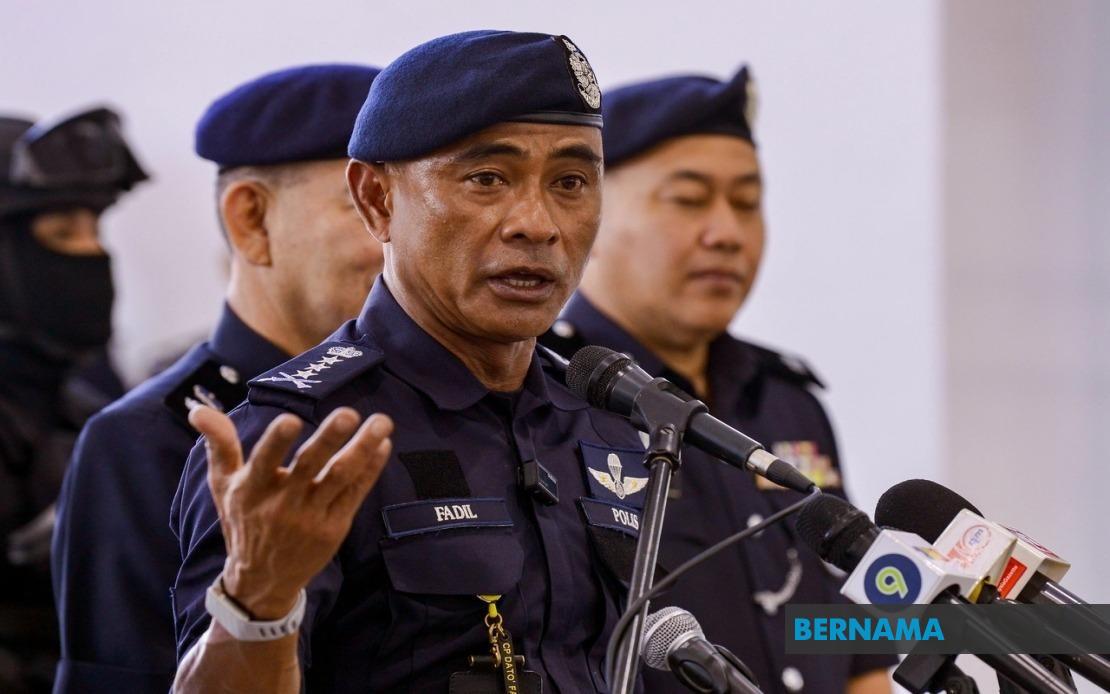
Kuala Lumpur's iconic Dataran Merdeka will transform into a sprawling outdoor cinema early Monday morning as the FIFA World Cup 2026 final unfolds on an enormous screen for what organisers hope will be a record-breaking crowd of up to 300,000 spectators. The screening represents one of the centrepiece attractions of the Unity Merdeka programme, a collaborative initiative that brings together the Kuala Lumpur police and 16 government ministries in a week-long celebration designed to strengthen social cohesion among Malaysia's multi-ethnic population. Kuala Lumpur police chief Datuk Fadil Marsus unveiled the plans following a well-attended Fun Run Unity Merdeka event held at the venue, signalling the beginning of an intensive schedule of activities leading up to Monday's main event.
The ambitions surrounding this screening extend beyond mere entertainment value. By projecting the World Cup final onto such a massive scale and in Malaysia's most symbolically significant public space, organisers aim to create a unifying national moment that transcends the typical confines of football fandom. The Kuala Lumpur police have explicitly flagged their intention to pursue a Malaysia Book of Records entry for the largest gathering at Dataran Merdeka, turning what could be a memorable sporting spectacle into a documented achievement of civic unity. This approach reflects a broader strategic vision for the event: to use football's universal appeal as a vehicle for promoting inclusivity and shared identity in a nation where demographic diversity remains both a defining characteristic and an ongoing challenge requiring deliberate reinforcement.
Programming will commence at 8 pm on Sunday and build steadily toward the World Cup final screening in the early hours of Monday morning. This extended schedule allows organisers to layer multiple engagement activities throughout the preceding day, ensuring that the event functions as more than a single-moment broadcast. The Unity Merdeka initiative, running from mid-week through Sunday, explicitly embraces the theme Diversity United, Wellbeing Preserved, positioning cultural and ethnic plurality not as something to be managed but as something to be celebrated and deepened. This framing carries particular resonance in the Malaysian context, where national narratives increasingly emphasise shared values and mutual respect across communal boundaries.
The Fun Run component, which drew approximately 2,000 participants over a five-kilometre course, demonstrated early enthusiasm for the programme and served a parallel function as a community-building mechanism. Beyond the general public, the run attracted notable participation from Kuala Lumpur's law enforcement leadership, including deputy police chief DCP Datuk Mohd Azani Omar, as well as 16 representatives from the Crime Journalists Association. This multi-stakeholder participation sends an intentional message about civic engagement: that police and press, institutions sometimes positioned as antagonists in public discourse, can converge around shared objectives of community welfare and public information.
The broader Unity Merdeka programme reflects a coordinated government approach to nation-building through experiential events. Rather than confining activities to a single focus, organisers have assembled a diverse menu spanning welfare initiatives, arts and culture, educational content, religious programming, family-oriented entertainment, and security demonstrations. This architectural variety ensures appeal across demographic segments while reinforcing the overarching message that national unity encompasses multiple dimensions of public life rather than existing as an abstract ideal.
Government and security agencies are leveraging the event as an opportunity for public engagement and institutional visibility. The Royal Malaysia Police, Malaysian Armed Forces, Fire and Rescue Department, and Ministry of Health will operate exhibitions and interactive booths throughout the venue, allowing citizens to encounter state institutions in relaxed, non-transactional settings. Such arrangements serve dual purposes: they humanise government and security apparatus while providing these organisations with direct channels to communicate public safety messages, health information, and civil defence concepts to large audiences in receptive circumstances.
The choice of Dataran Merdeka as the venue carries symbolic weight that enhances the event's political messaging. As Malaysia's most resonant public square—the site of independence proclamations and national commemorations—the location positions the World Cup screening within a continuum of collective national experiences. Screening a global sporting final at this site implicitly argues that Malaysia's place in the international community and its internal social harmony are interconnected objectives worthy of simultaneous celebration.
For Malaysian spectators, the event presents an unusual opportunity to experience major international sporting occasions within a deliberately constructed community setting rather than through individual home viewing or commercial venues. This collective consumption model may create distinctive social dynamics and memory formation compared to conventional viewing patterns, potentially amplifying the event's impact on participants' sense of shared national identity. The organisers' explicit targeting of a record-breaking attendance figure suggests they understand the psychological significance of gathering scale itself—that the experience of standing among hundreds of thousands of fellow citizens carries inherent meaning beyond the sporting content on display.
The event's timing during Malaysia's July season, when monsoon conditions and holiday patterns shape public behaviour, appears strategically calculated. Monday morning screening times, while requiring early rising, align with a week of heightened public engagement and maintain momentum from weekend activities. This scheduling also differentiates the Malaysian screening from typical World Cup viewing patterns in other time zones, creating a distinctly local temporal dimension to what is marketed as a global sporting event.
Looking beyond the immediate spectacle, the Unity Merdeka programme and its centrepiece World Cup screening represent a government investment in the idea that deliberately orchestrated moments of civic assembly around entertainment, culture, and shared experience can reinforce national cohesion. Whether such manufactured unity generates lasting attitudinal shifts or primarily creates memorable occasions remains an open question, but the willingness to deploy substantial resources and coordinate across 17 public institutions signals serious commitment to the underlying concept. For Malaysian policymakers, the week represents a test case in the mechanics of nation-building through experiential public programming—a methodology increasingly common globally as governments seek alternatives to purely symbolic or statutory approaches to fostering social solidarity.

