%22%2F%3E%3C%2Fpattern%3E%3C%2Fdefs%3E%3Crect%20width%3D%22100%25%22%20height%3D%22100%25%22%20fill%3D%22url(%23ph2mkgrg)%22%2F%3E%3Crect%20width%3D%22100%25%22%20height%3D%22100%25%22%20fill%3D%22url(%23ph2mkgrp)%22%2F%3E%3Ctext%20x%3D%2250%25%22%20y%3D%2250%25%22%20text-anchor%3D%22middle%22%20dominant-baseline%3D%22central%22%20fill%3D%22rgba(255%2C255%2C255%2C0.95)%22%20font-family%3D%22Georgia%2C%20'Times%20New%20Roman'%2C%20serif%22%20font-weight%3D%22700%22%20font-size%3D%22320%22%20letter-spacing%3D%22-0.02em%22%3EDAP%3C%2Ftext%3E%3C%2Fsvg%3E)
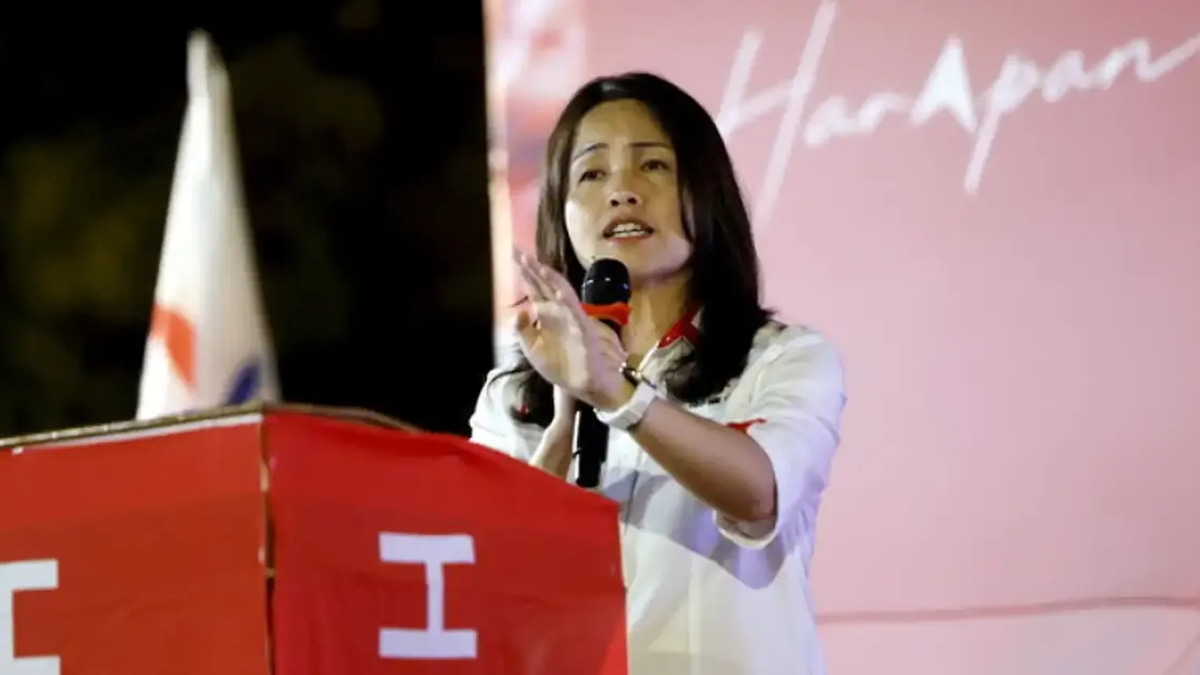
Teo Nie Ching, a senior Democratic Action Party figure, has alerted the public to be cautious of misleading campaign materials and disinformation tactics ahead of the Johor state elections. The DAP politician expressed concern about the circulation of spurious posters bearing party insignia and messaging, warning that such fraudulent materials are intended to confuse and discourage voters rather than advance legitimate political discourse.
The emergence of counterfeit campaign posters represents a troubling escalation in electoral tactics that extend beyond conventional political rivalry. Such deceptive materials, which appropriate established party branding and messaging frameworks, deliberately blur the line between authentic campaign communication and deliberate falsehoods. By manufacturing fake materials that appear to emanate from opposition parties, actors behind these efforts aim to generate negative sentiment towards those parties without those parties bearing responsibility for the content. This form of electoral manipulation has become increasingly prevalent across Southeast Asian democracies as technology enables easier production and rapid dissemination of fabricated materials.
The specific targeting of DAP posters suggests a calculated strategy to undermine the party's credibility with Johor voters during a critical electoral window. Johor represents significant political territory in Malaysia's electoral landscape, and control of the state government carries substantial implications for national political dynamics. The timing of such disinformation efforts—deployed during active campaigning—indicates an understanding among perpetrators of when voter attention peaks and when false information may gain maximum traction before corrections can take hold.
Teo's public warning serves dual purposes within the broader campaign context. First, it alerts constituents to scrutinize campaign materials with critical attention, encouraging voters to verify authenticity through official party channels rather than accepting materials at face value. Second, the warning itself becomes a form of inoculation against the specific false narratives contained in the counterfeit posters, priming voters to dismiss similar messaging if they encounter it. Such preemptive disclosure, while necessary, also consumes valuable campaign bandwidth that might otherwise focus on substantive policy platforms.
The proliferation of fake political materials touches on deeper concerns about electoral integrity and information ecosystem health in Malaysia. When voters cannot reliably distinguish between authentic and fabricated campaign communications, the foundation for informed electoral choice erodes. This particularly affects demographic segments with lower digital literacy or limited access to multiple information sources, who may encounter such materials through social media channels or community networks where verification mechanisms are weak. In Johor's diverse communities, where linguistic and educational backgrounds vary significantly, the risk of misinformation gaining credence increases substantially.
The mechanics of how these counterfeit materials circulate warrant examination. Social media platforms, particularly messaging applications and encrypted channels popular in Malaysia, enable rapid spread of visual content with minimal friction or oversight. A single fake poster can be replicated thousands of times within hours, reaching audiences across geographic boundaries before platform moderation mechanisms engage. The decentralized nature of such dissemination makes attribution challenging and coordinated response difficult, even for parties directly targeted by the fraudulent materials.
From a regional perspective, Malaysia's experience with electoral disinformation reflects broader Southeast Asian challenges. Neighbouring countries including Thailand, Indonesia, and the Philippines have grappled with similar phenomena during electoral cycles, with varying degrees of institutional response. The absence of robust legal frameworks specifically addressing electoral misinformation in Malaysia means remedies remain limited to public warnings and platform complaints rather than direct enforcement mechanisms that might deter perpetrators. This enforcement gap creates environments where disinformation actors face minimal consequences.
The DAP's response through public alert represents the most accessible tool available to opposition parties, transforming potential electoral liability into an opportunity to demonstrate organizational responsiveness and transparency. By proactively disclosing the existence of fake materials, the party shifts narrative control, positioning itself as a transparent actor and implicitly casting doubt on the legitimacy of the false messaging. However, the effectiveness of such warnings depends substantially on media amplification and whether mainstream coverage reaches the same audiences that may encounter the original fabricated materials.
For Malaysian voters, the broader lesson extends beyond this specific election cycle. The incident underscores the necessity of developing personal verification habits when consuming political information, particularly during campaign seasons when saturation of messaging intensifies. Cross-referencing materials with official party websites, contacting local party representatives directly, and relying on established news organizations rather than unvetted social media sources represent practical approaches to reducing vulnerability to electoral misinformation. Educated voters who engage critically with campaign content provide the most robust defence against disinformation strategies.
Looking forward, the Johor elections will reveal whether such disinformation tactics influenced voter behaviour or whether public awareness campaigns successfully mitigated their impact. Election results themselves, combined with post-election analysis, will indicate whether the counterfeit materials achieved their intended effect of dampening support for DAP or shifting voter sentiment towards alternative parties. This data point will become relevant for future campaigns, as political actors assess whether investment in disinformation efforts yields measurable electoral dividends. The answer may shape tactical calculations for subsequent state and national elections scheduled across Malaysia's electoral calendar.