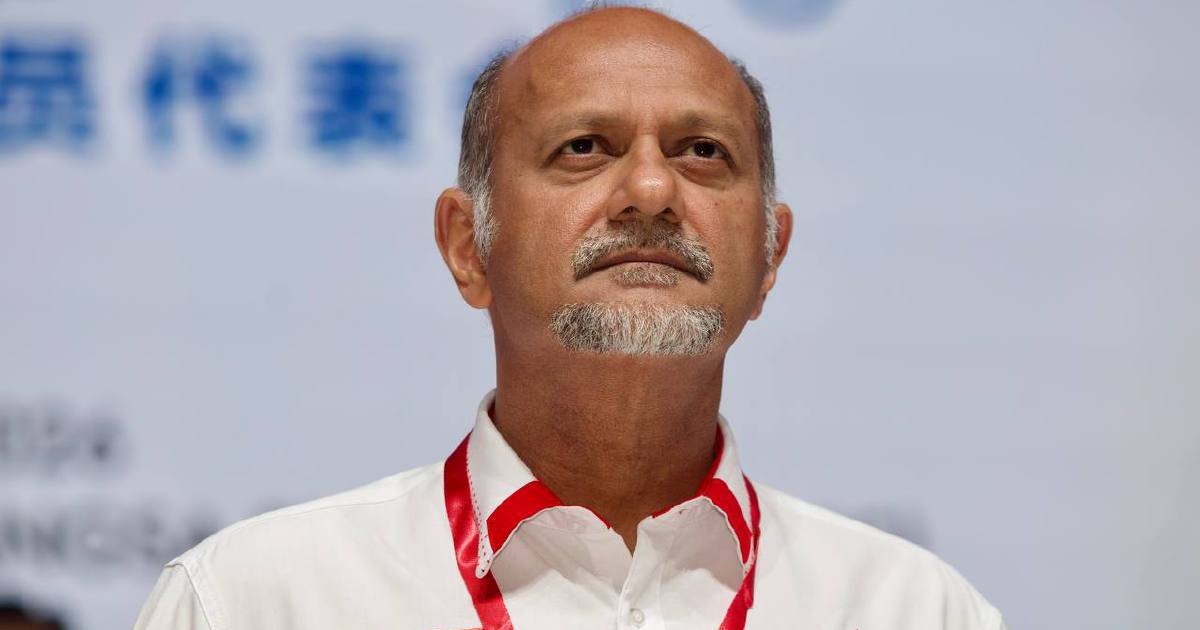
DAP national chairman Gobind Singh Deo has pressed Prime Minister Datuk Seri Anwar Ibrahim to accelerate the pace of institutional and economic reforms, marking a significant intervention from the coalition partner as the unity government nears the end of its third year in office.
The appeal underscores growing impatience within the coalition over the speed of transformational changes that were central to the government's 2022 election messaging. With roughly half the administration's anticipated term complete, the DAP leadership is signalling that substantive systemic overhauls remain incomplete, raising questions about the political will to pursue deeper structural changes in the remainder of its mandate.
Institutional reform has long been a cornerstone of DAP's political platform, reflecting the party's roots in civil society advocacy and anti-corruption campaigns. The party's emphasis on strengthening governance frameworks, judicial independence, and bureaucratic accountability represents a distinct ideological position within Malaysia's multi-party coalition. By publicly calling for acceleration now, Gobind Singh Deo is effectively positioning DAP as the custodian of reform ambitions, distinguishing the party from coalition partners with potentially divergent priorities.
The timing of the intervention carries political weight. The unity government, formed to prevent a return to the previous administration, has struggled to maintain cohesion as economic pressures mount and regional competition intensifies. Statements from senior coalition figures often reflect internal tensions over policy direction, resource allocation, and political credit-taking. DAP's push for stronger reforms may signal anxiety that without visible progress, the coalition risks appearing directionless heading into the electoral cycle.
Economic reform, the second pillar of Gobind Singh Deo's appeal, encompasses multiple dimensions critical to Malaysia's competitiveness. These range from fiscal discipline and tax administration improvements to structural changes in state-owned enterprises, labour market flexibility, and innovation ecosystems. For an economy increasingly challenged by regional competitors and domestic inflationary pressures, the incremental pace of economic restructuring has disappointed observers expecting transformative action from a government that explicitly campaigned on renewal.
The Malaysian context requires understanding that institutional and economic reforms are deeply intertwined. Weak institutions can perpetuate rent-seeking behaviour, inefficient resource allocation, and opacity that discourages investment and talent retention. Conversely, economic modernisation demands institutional capacity to regulate, enforce, and adapt. DAP's dual focus reflects sophisticated analysis rather than abstract idealism, positioning reform as essential to Malaysia's development trajectory in a rapidly evolving regional landscape.
For Malaysian readers and businesses, DAP's intervention highlights the gap between reform rhetoric and implementation reality. Small and medium enterprises, for instance, frequently cite regulatory complexity, bureaucratic delays, and policy inconsistency as barriers to growth. Institutional strengthening—through digitisation, streamlined licensing, and predictable governance—would directly affect their operational environment. Similarly, economic reforms affecting labour law, competition policy, and financial sector regulation generate business expectations that remain partially unfulfilled.
The Southeast Asian dimension adds urgency to the DAP's position. Regional economies including Thailand, Vietnam, and Indonesia have pursued aggressive institutional modernisation and targeted economic restructuring, attracting capital and talent that might otherwise flow to Malaysia. Without sustained reform momentum, Malaysia risks competitive disadvantage in attracting foreign direct investment, particularly in high-value manufacturing and digital sectors where institutional quality and regulatory predictability prove decisive.
Within the unity government coalition, DAP's public call for acceleration also carries implicit criticism of other partners who may prioritise stability and incremental adjustment over transformative change. Different coalition members bring different constituencies with varying reform priorities—some emphasising rural development or religious-based policies alongside or instead of institutional modernisation. Managing these competing demands while delivering visible progress remains the government's central governance challenge.
The call also reflects generational expectations within DAP itself. The party's younger activists and urban supporters, instrumental to the 2022 electoral result, expect tangible improvements in governance quality, merit-based advancement, and anti-corruption enforcement. Without demonstrable progress, DAP faces pressure from its base to either accelerate change or question continued participation in a coalition perceived as delivering less than promised.
Looking forward, whether Prime Minister Anwar Ibrahim heeds the DAP chairman's appeal will signal the government's true reform commitment. Institutional change requires sustained political capital, bureaucratic engagement, and often unpopular decisions affecting entrenched interests. Economic reform similarly demands willingness to disrupt existing arrangements and face short-term disruption for longer-term gains. The government's response—whether through increased policy velocity, legislative initiatives, or public commitment refinement—will shape perceptions of the unity government's effectiveness and legitimacy.
The DAP intervention, therefore, represents more than routine coalition politics. It crystallises the tension between maintaining governing stability and pursuing substantive change, a challenge that will preoccupy Malaysian policymakers throughout the remainder of this government's term and beyond.

