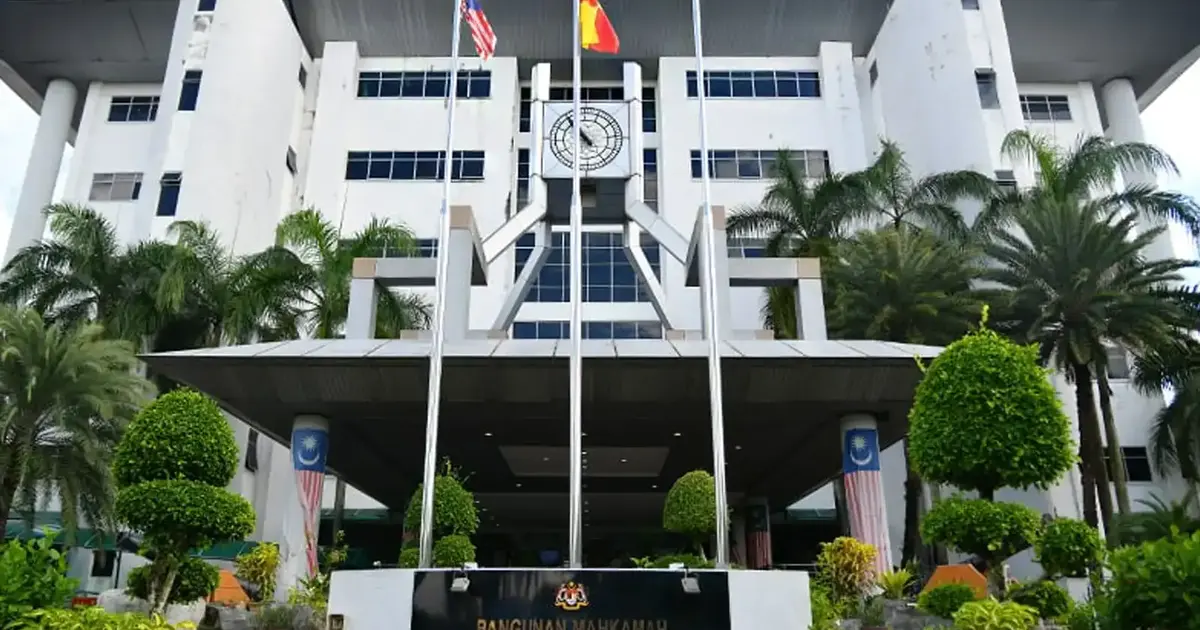
A senior customs official has opted to contest allegations that he accepted a substantial cash payment to suppress an active investigation, entering a not guilty plea that signals the case will proceed to a full trial. Fareez Akhmal Yusuf faces a single charge related to the receipt of RM15,000 from a 50-year-old individual on June 29, according to court documents filed in connection with the matter. The nature of the underlying investigation that was allegedly compromised remains under wraps, though the incident has reignited scrutiny of corruption vulnerabilities within Malaysia's customs enforcement apparatus.
The decision to pursue criminal charges against the officer reflects intensifying pressure on law enforcement and revenue agencies to demonstrate zero-tolerance policies toward graft. Customs authorities have become focal points for anti-corruption initiatives in recent years, given the sector's exposure to commercial interests and cross-border trade flows that create financial incentives for misconduct. When officials are accused of shelving probes in exchange for money, it fundamentally undermines the agency's credibility and the deterrent value of customs regulations themselves. The case against Fareez Akhmal Yusuf thus carries symbolic weight beyond the individual accused.
Malaysia's customs service processes billions of ringgit in annual trade and collects substantial government revenue through tariffs and duties. Any systemic weakness in the integrity of officers responsible for auditing shipments or investigating contraband smuggling has multiplier effects throughout the economy. Traders who believe they can circumvent compliance through informal payments gain unfair advantages, while honest businesses operating within legal frameworks find themselves at competitive disadvantage. The public also loses faith in the government's ability to regulate commercial borders effectively and protect consumers from substandard or dangerous imported goods.
The alleged incident occurred during a period when Malaysian anti-corruption agencies have heightened their focus on internal affairs investigations within customs and related bodies. The Malaysian Anti-Corruption Commission and the Royal Malaysian Police have pursued numerous cases involving revenue officials, signalling institutional commitment to rooting out embedded corruption networks. However, critics argue that reactive prosecution of individual officers, while necessary, does not address underlying structural vulnerabilities such as inadequate oversight mechanisms, insufficient salary structures relative to the financial temptations officers face, or weak internal audit procedures. For genuine systemic reform, comprehensive preventive measures must accompany enforcement actions.
The trial of Fareez Akhmal Yusuf will likely examine evidence pertaining to the money transfer, the identity and motivations of the payer, documentation of the investigation that purportedly was shelved, and testimony from colleagues regarding the officer's conduct. Prosecutors will need to establish a clear nexus between the payment and the decision to close the case, demonstrating conscious quid pro quo rather than mere coincidence. The defence may argue alternative explanations for the cash transfer or challenge the characterisation of the investigation's closure. Such evidentiary disputes are routine in corruption trials and often hinge on witness credibility and documentary trail analysis.
From a broader governance perspective, this case underscores the importance of customs agencies maintaining robust internal controls and transparency protocols. International best practices in customs administration increasingly emphasize digital record-keeping, shared decision-making authority that prevents single officials from unilaterally terminating investigations, and external audit oversight of case disposals. Malaysia's customs service has made incremental improvements in these domains, though implementation gaps persist, particularly in regional field offices where supervisory capacity may be more limited. Strengthening these systems requires sustained investment and political will.
The implications for Malaysia's business environment are noteworthy as well. Multinational corporations and foreign investors scrutinise the integrity of regulatory agencies when assessing operational risks in any jurisdiction. Repeated instances of customs corruption, even if prosecuted, can damage a country's reputation for rule of law and create perceptions that compliance is negotiable. Conversely, demonstrated commitment to punishing corrupted officials sends a positive signal that the regulatory environment operates on predictable, lawful principles. Singapore and Hong Kong have leveraged rigorous enforcement against official corruption as a competitive advantage in attracting foreign commercial interest.
Within Southeast Asia, Malaysia's customs service operates within a regional context characterised by significant smuggling challenges and cross-border criminal networks that exploit regulatory loopholes. Corruption within any single nation's customs apparatus can facilitate transnational illegal trade affecting the entire region. Drug trafficking, counterfeit goods, and illicit firearms frequently traverse multiple borders, and corrupt officials at any point along the supply chain can compromise enforcement effectiveness across the region. International cooperation in customs matters depends partly on confidence that partner agencies maintain professional standards.
The timing of this prosecution also reflects evolving political and institutional dynamics. Recent leadership transitions within Malaysia's customs establishment have brought renewed focus on integrity metrics and performance accountability. New management typically initiates internal investigations into lingering problems from previous administrations, which can result in prosecution waves as discovered cases move through the court system. While this pattern often improves organisational culture over time, it can also create morale challenges among staff who may perceive witch hunts or political motivations behind enforcement decisions.
Looking ahead, the outcome of Fareez Akhmal Yusuf's trial will likely influence how customs officers perceive the consequences of corrupt conduct and whether the agency's deterrent messaging proves effective. If convicted, sentencing will matter significantly—sentences perceived as lenient may fail to deter future misconduct, while disproportionately severe sentences could be challenged on appeal. Balancing fairness with adequately serious punishment remains an ongoing challenge for Malaysian courts in corruption cases. The decision will also shape public perception of whether the customs service can be trusted to police itself or whether external oversight mechanisms need strengthening.

