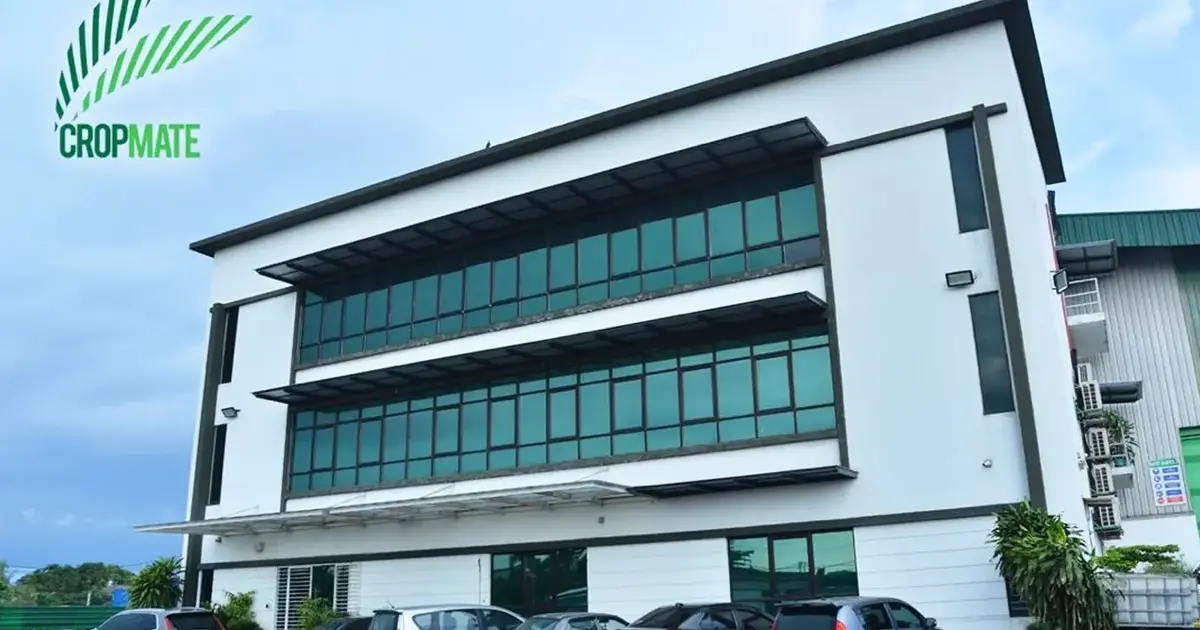
Cropmate, a fertiliser manufacturer operating in Malaysia's agricultural sector, has announced that its previously frozen bank accounts have been released, bringing an end to a financial constraint that had affected the company's operations. The development represents a significant relief for the firm, which had been unable to access its own capital during the freeze period.
In a statement addressing the situation, Cropmate has clarified that the resolution of the frozen accounts comes without any legal complications for its personnel. The company emphasised that throughout the episode, none of its staff members—spanning from rank-and-file employees to senior management and board members—have faced arrest or been charged with any offence. This assurance is important for stakeholders concerned about potential criminal liability extending through the organisation.
The freeze on Cropmate's banking facilities would have created substantial operational difficulties for an agricultural input supplier. Fertiliser companies typically operate on tight margins in Malaysia's competitive agricultural sector, and interruptions to cash flow can cascade into supply chain disruptions that affect farmers across the country. The inability to access frozen accounts would have impaired the company's capacity to purchase raw materials, maintain inventory levels, and meet customer orders on schedule.
Fertiliser is an essential input for Malaysian agriculture, which remains a significant economic sector despite the nation's industrial advancement. Any disruption to fertiliser supply chains can have upstream effects on food security and farming household incomes. Regional producers like Cropmate thus occupy an important position in supporting domestic agricultural productivity, particularly among smallholder and commercial farming operations that depend on reliable supply sources.
The resolution of this financial constraint comes at a time when Malaysia's agricultural sector continues navigating post-pandemic recovery dynamics and adapting to shifting global commodity markets. Input costs remain a persistent concern for farmers across the country, and maintaining competitive domestic fertiliser producers helps ensure that farmers have multiple sourcing options and access to reasonably priced products.
Cropmate's statement that no directors or employees have been charged carries implications for corporate governance and regulatory oversight in Malaysia. It suggests that whatever investigation or inquiry prompted the account freeze has either concluded without evidence warranting prosecution, or that ongoing inquiries may not result in criminal charges against individuals within the organisation. This distinction is material for investor confidence and the company's ability to resume normal business operations without persistent legal uncertainty.
The fertiliser industry in Malaysia comprises both multinational corporations and domestic players, with companies competing across price points and product specialisations. Cropmate's ability to restore normal banking operations allows it to remain competitive within this landscape and continue serving its customer base without the operational constraints imposed by frozen accounts.
For farmers relying on Cropmate for fertiliser supply, the restoration of normal banking operations signals a return to predictable supply availability. Agricultural production cycles in Malaysia depend on consistent input availability, and disruptions to supplier finances can force farmers to seek alternative sources on short notice, potentially at higher cost or with inconsistent product quality.
The circumstances that led to the account freeze remain undisclosed in Cropmate's statement. Financial freezes at companies can result from various regulatory investigations, compliance reviews, or administrative holds that are eventually resolved as inquiries conclude. The absence of charges against company personnel suggests that whatever triggered the freeze did not uncover evidence of culpable conduct requiring criminal prosecution.
Going forward, Cropmate will need to restore operational momentum following the period during which its financial access was restricted. This may include rebuilding inventory levels, reassuring existing customers of continued supply reliability, and potentially addressing any reputational concerns arising from the public freeze on its accounts.
The company's clear statement that no personnel have faced arrest or charges is strategically important for restoring stakeholder confidence—among suppliers, customers, financial institutions, and investors. When companies operate under financial constraint, questions naturally arise about underlying causes and potential culpability of management. Cropmate's explicit clarification addresses these concerns head-on.
For the broader Malaysian agricultural sector, the resolution of Cropmate's financial constraint removes a potential disruption to fertiliser supply chains. Maintaining a diverse, healthy base of domestic fertiliser producers supports agricultural productivity and helps insulate Malaysian farmers from over-dependence on imported inputs, which can face price volatility and foreign exchange fluctuations.
The incident underscores the importance of clear communication between companies and stakeholders during periods of financial or regulatory uncertainty. Cropmate's prompt disclosure that accounts have been released and that no personnel face charges demonstrates the value of transparency in maintaining business relationships and public confidence during challenging circumstances.

