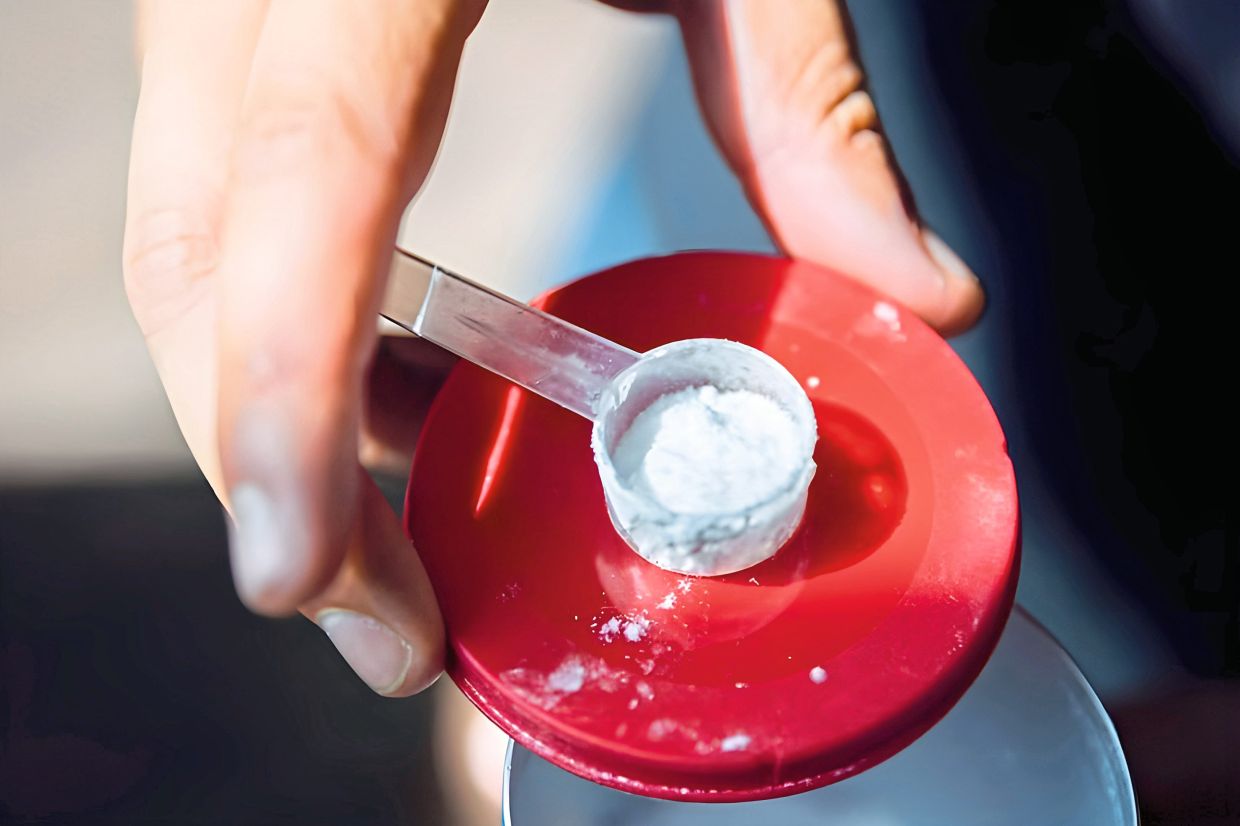
Creatine ranks among the world's most researched and widely consumed dietary supplements, yet it has been shadowed for more than a decade and a half by a persistent health concern that has deterred countless fitness enthusiasts from using it. The allegation that creatine supplementation triggers baldness has shaped purchasing decisions across gyms and training facilities globally, despite the scientific foundation for this worry being remarkably thin. Fresh research published in 2025 now provides definitive evidence on the matter, offering reassurance to athletes and casual gym-goers who have hesitated to incorporate the supplement into their regimens out of concern for their hair.
The roots of the baldness rumour extend back to a single 2009 study that, although limited in scope and design, became the basis for widespread anxiety about creatine's safety. That study examined testosterone conversion and speculated that creatine might increase the rate at which testosterone is converted into dihydrotestosterone, or DHT—a hormone implicated in pattern baldness. However, the original research never actually measured hair loss, and none of the athletes who participated reported experiencing any hair shedding. Despite these crucial limitations, the association between DHT and androgenetic alopecia proved compelling enough to reshape public perception, and the rumour spread through fitness communities and media coverage, becoming accepted as common knowledge rather than speculation.
The absence of rigorous investigation into this specific claim represented a significant gap in sports nutrition science, particularly given the supplement's popularity among millions of people worldwide. For fifteen years, the fitness industry operated under a shadow of uncertainty, with many individuals making conservative choices about supplementation based on incomplete evidence. This prolonged ambiguity highlighted how a single study, even one with methodological limitations, could influence behaviour and purchasing decisions at scale—a phenomenon familiar in health and nutrition discussions across Southeast Asia, where supplement use has grown substantially among the increasingly health-conscious middle class.
A 2025 randomised controlled trial, considered the gold standard in clinical research, finally subjected this claim to rigorous examination. Researchers recruited 45 resistance-trained men aged 18 to 40, dividing them into two groups: one received 5 grams of creatine monohydrate daily, while the other took an identical dose of maltodextrin as a placebo. The study design maintained ecological validity by allowing participants to continue their normal diets and training routines, ensuring that results would reflect real-world usage patterns. Blood samples collected at baseline and after twelve weeks measured total testosterone, free testosterone, and DHT levels with precision. Crucially, the researchers employed multiple methods to assess hair follicle health, including the Trichogram test and the FotoFinder system—sophisticated technology that tracks hair density, individual follicular unit counts, and cumulative hair thickness.
Thirty-eight participants completed the full twelve-week trial, providing researchers with a robust dataset for analysis. When the results were examined, no statistically significant differences emerged between the creatine and placebo groups in any of the measured parameters. DHT levels remained similar, the DHT-to-testosterone ratio showed no meaningful variation, and every measure of hair growth and follicle health proved comparable between the two conditions. This finding proved historic: researchers formally identified their work as the first study to directly assess hair follicle health following creatine supplementation, providing what they described as strong evidence refuting the connection between the supplement and hair loss.
The implications of this research extend beyond individual fitness decisions; it represents a triumph of rigorous science over persistent myth-making. Jose Antonio, an exercise physiologist at Nova Southeastern University in Florida, emphasised that no other food or dietary supplement possesses as comprehensive a body of supportive research as creatine. This accumulated evidence base—encompassing decades of studies—establishes creatine not merely as effective but as exceptionally well-validated from a safety perspective. For Malaysian fitness enthusiasts who may have encountered the baldness rumour through social media or gym discussions, this research offers concrete reassurance grounded in peer-reviewed science.
Despite this decisive evidence, some individuals may retain concerns about hormonal impacts or personal risk factors. Registered dietitian Kate Patton recommends that anyone worried about testosterone levels or other hormonal considerations should consult their primary care doctor or an endocrinologist before starting creatine supplementation. This measured advice acknowledges individual variation while simultaneously stating clearly that no conclusive evidence demonstrates that creatine elevates testosterone or causes hair loss. Such professional consultation represents a sensible middle ground for those with specific health conditions or family histories of premature baldness, ensuring decisions remain personalised and informed.
For individuals new to creatine supplementation, practical guidance can optimise both safety and results. Early users commonly experience water weight gain, typically between two and four pounds during the first week as creatine draws fluid into muscle cells—a physiological response that is benign and temporary. Nutrition specialists recommend selecting creatine monohydrate as the preferred form, given its extensive research backing and cost-effectiveness. This standardised approach minimises confusion arising from the proliferation of alternative creatine forms marketed with various claims but lacking equivalent scientific validation.
Effectiveness requires pairing supplementation with consistent training. Paul Greenhaff, a professor of muscle metabolism at the University of Nottingham, emphasises that creatine contains no calories and exerts no direct influence on fat metabolism. Consequently, consuming creatine without engaging in resistance training yields no meaningful benefits—the supplement functions as an ergogenic aid specifically within the context of structured exercise. This clarification proves important for consumers evaluating whether supplementation aligns with their training commitments.
Medical professionals increasingly recognise creatine as standing apart from most dietary supplements in terms of safety and evidence. Dr Jason Mitchell, executive vice president and chief medical officer at Geisinger healthcare organisation, characterised it as one of the rare supplements that genuinely lives up to its reputation, noting that it has undergone exceptionally thorough scientific investigation. This consensus among medical authorities, combined with the 2025 research directly addressing the baldness concern, should substantially reduce hesitation among fitness enthusiasts throughout Malaysia and the broader Southeast Asian region.
The creatine-baldness narrative demonstrates how misinformation can persist within health and fitness communities even when the original evidence proves weak or misinterpreted. Yet it equally demonstrates science's capacity to eventually provide clarity through rigorous investigation. For the millions globally who have wondered whether they should forgo this inexpensive, effective supplement due to hair loss concerns, the answer is now unambiguous: creatine supplementation, when used as directed alongside appropriate training, does not cause hair loss. This resolution of a fifteen-year debate removes a significant psychological barrier that has prevented many from accessing a supplement with genuine performance benefits.

