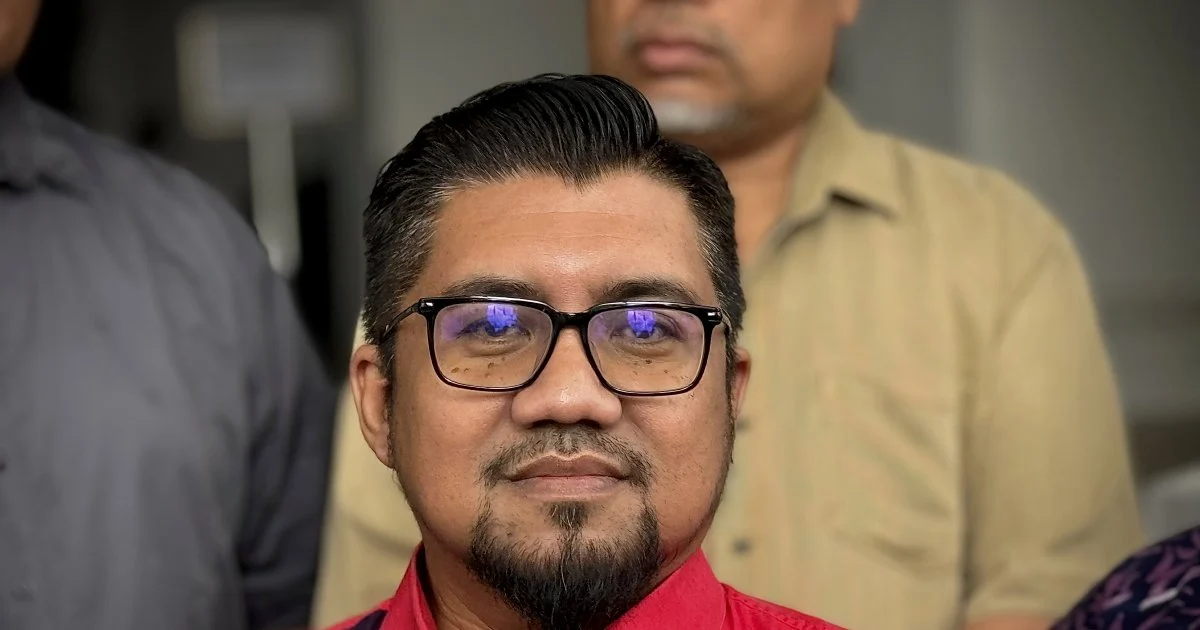
In a significant legal reversal, Malaysia's High Court has set aside a previous acquittal and compelled political activist Badrul Hisham Shaharin—widely known as Che'gu Bard—to present his defence in a defamation case involving allegations against His Majesty Sultan Ibrahim, the King of Malaysia. The court's decision marks an important juncture in the case, which centres on public statements made by the activist approximately two years prior regarding what he claimed was an audience with political leaders attended by or involving the monarch.
The original acquittal had dismissed the defamation allegations against Shaharin, but prosecutors successfully appealed the decision, convincing the High Court that the case warrants a full defence hearing. This development underscores the serious view taken by Malaysia's legal system regarding statements perceived as damaging to the reputation of the head of state. The reversal demonstrates how defamation cases involving the monarchy can traverse multiple judicial stages and remain contested even after initial rulings.
Badrul Hisham Shaharin has long occupied a prominent position within Malaysia's activist circles, known for his vocal commentary on political matters and governance issues. His statements regarding the alleged political audience appear to have touched upon sensitive terrain, prompting legal action from authorities. The case now moves into a phase where the activist must present substantive arguments and evidence to counter the defamation allegations levelled against him.
Defamation law in Malaysia, particularly when it involves the monarchy, represents a complex intersection of constitutional protections and free speech considerations. The institution of the King commands significant legal protection under Malaysian law, and statements perceived as undermining the dignity or reputation of the sovereign can attract serious legal consequences. This principle remains hotly debated among legal scholars and civil society advocates who question where the boundaries between legitimate criticism and actionable defamation should lie.
The timing of the court's reversal carries implications for ongoing discussions about activist spaces and political expression in Malaysia. As the country navigates questions about democratic discourse and institutional accountability, high-profile cases involving political figures and statements about the monarchy attract keen public attention. The Che'gu Bard case exemplifies tensions between protection of free expression and safeguarding the reputation of constitutional institutions.
For Shaharin, the burden now shifts substantially. Rather than benefiting from an acquittal, he must now actively defend his statements, demonstrating either their truth or their protected status as fair comment or legitimate political discourse. This requirement to mount a defence places the activist in a position where he must justify remarks made during what appears to have been public discussion about high-level political engagement. The evidentiary and argumentative demands of this phase will be considerably more demanding than responding to initial accusations.
The reversal by the High Court reflects judicial assessment that the lower court may have prematurely concluded there was insufficient basis to proceed. Appellate courts reviewing acquittals in defamation cases face the delicate task of determining whether the original judge properly applied relevant legal principles. In this instance, the appellate judges apparently concluded that additional examination of the evidence and arguments was warranted before the case could be definitively resolved.
Regional observers of Malaysian law note that defamation cases involving political speech often reveal broader questions about judicial interpretation of constitutional safeguards. Southeast Asian democracies grapple with calibrating protections for both institutional reputation and individual rights to political participation through speech. Malaysia's approach, as demonstrated through cases like this one, shows preference for robust protection of the monarchy's standing, even when this may constrain certain forms of political commentary.
The activist community in Malaysia has watched similar cases unfold with concern about potential chilling effects on political discourse. When individuals face prolonged legal proceedings over statements about political events, the broader incentive structure for public participation in civic discussion may shift. Activists and ordinary citizens considering whether to speak publicly about matters involving political leadership must weigh the risks of potential legal action, a calculation that affects the overall health of democratic dialogue.
Some legal commentators have emphasised that defamation law should distinguish between false statements of fact and expressions of opinion or political critique. Shaharin's defence will likely hinge on arguments about what precisely he claimed, whether such claims were verifiable as fact or constitute protected commentary, and whether any statements made were substantially accurate. These technical legal questions will ultimately determine whether he can successfully defend against the charges.
The case will now enter a substantive hearing phase where both the prosecution and defence will present evidence and arguments. This process may take considerable time, involving witness testimony and documentary evidence related to the alleged audience two years prior. The outcome will have implications not only for Shaharin personally but also for understanding how Malaysian courts balance royal protection with individual expression rights.
As Badrul Hisham Shaharin prepares his defence, the case continues to highlight the particular sensitivities surrounding any public discourse touching on the monarchy in Malaysia. The legal machinery has now firmly engaged, and the activist faces the significant challenge of proving his statements were either accurate or constitute permissible commentary on matters of public concern. The court's decision to overturn the acquittal signals that Malaysian judicial authorities intend to see the case fully adjudicated on its substantive merits.

