%22%2F%3E%3C%2Fpattern%3E%3C%2Fdefs%3E%3Crect%20width%3D%22100%25%22%20height%3D%22100%25%22%20fill%3D%22url(%23ph274rig)%22%2F%3E%3Crect%20width%3D%22100%25%22%20height%3D%22100%25%22%20fill%3D%22url(%23ph274rip)%22%2F%3E%3Ctext%20x%3D%2250%25%22%20y%3D%2250%25%22%20text-anchor%3D%22middle%22%20dominant-baseline%3D%22central%22%20fill%3D%22rgba(255%2C255%2C255%2C0.95)%22%20font-family%3D%22Georgia%2C%20'Times%20New%20Roman'%2C%20serif%22%20font-weight%3D%22700%22%20font-size%3D%22136%22%20letter-spacing%3D%22-0.02em%22%3ECommunica%E2%80%A6%3C%2Ftext%3E%3C%2Fsvg%3E)
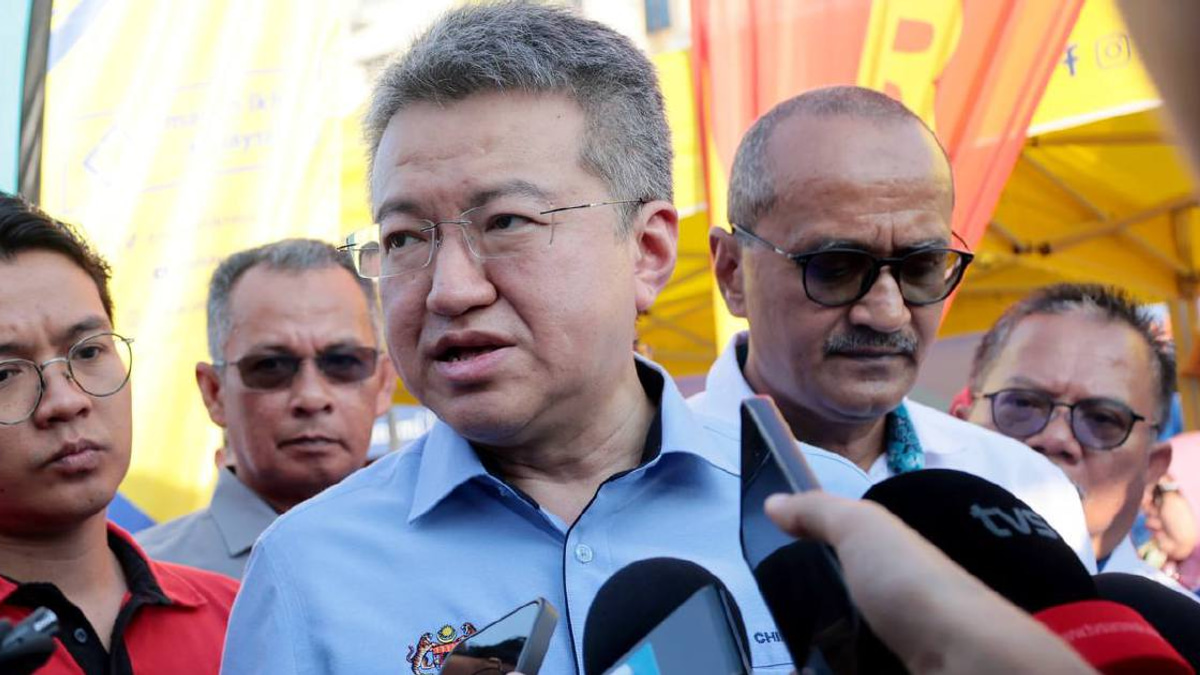
Communications Minister Datuk Fahmi Fadzil has expressed strong approval of the RIUH Pi HAWANA carnival's reception among the public, positioning the event as a vital showcase for Malaysia's homegrown creative sector and entrepreneurial community. Speaking at the carnival grounds in Butterworth on June 19, Fahmi highlighted how the event effectively bridges generational divides by bringing together both established artists and emerging talent, creating meaningful opportunities for performers to directly engage with their audiences in an accessible, celebratory environment.
The carnival, being held at the PICCA Convention Centre @ Butterworth Arena in conjunction with National Journalists' Day (HAWANA) 2026, has drawn encouraging crowds while maintaining smooth operational standards. Fahmi's satisfaction extends beyond mere attendance figures; he specifically noted the calibre of performers secured for the event, mentioning acts such as Exists as examples of the quality entertainment on offer. His comments reflect broader government enthusiasm for events that simultaneously celebrate the media industry and amplify platforms for creative practitioners who might otherwise struggle to reach wider audiences.
In calling for expanded public participation, particularly among Penang residents, Fahmi positioned the carnival as a temporary but recurring opportunity running through Sunday. His emphasis on accessibility suggests an understanding that creative industries require sustained public engagement and consumer interest to thrive. The minister's suggestion that RIUH Pi HAWANA become a permanent fixture of future HAWANA celebrations reveals official thinking about embedding creative economy promotion within institutional frameworks, rather than treating it as a one-off initiative.
The carnival structure reflects careful curation aimed at representing Malaysia's diverse creative landscape. Organised by MyCreative Ventures, the event features more than 24 local creative brands showcasing products, design, and services alongside 20 food and beverage vendors. This mixed-retail approach creates a festival atmosphere that extends beyond pure entertainment, allowing visitors to discover and purchase from entrepreneurs they might not encounter through conventional commercial channels. Such hybrid events prove particularly valuable in Southeast Asia, where direct consumer-to-creator connections often drive purchasing decisions and brand loyalty.
The live performance schedule represents a deliberate strategy to generate traffic and dwell time throughout the carnival's duration. Eighteen separate performances featuring the mix of veteran acts and younger artists including Bunkface, Masdo, Sakura Band, Fugo, Budak Nakal Hujung Simpang, and Chelsia Ng provide continuity and varied programming designed to appeal across demographic segments. For emerging artists, such festival platforms offer invaluable exposure within curated environments that lend credibility and attract media attention, particularly when government figures publicly endorse the proceedings as Fahmi has done.
The interactive workshop component addresses a growing trend in experiential entertainment, where passive consumption yields to participatory engagement. Workshops allowing visitors to explore and practise creative activities transform the carnival from a consumption-focused event into an educational platform, potentially inspiring attendees to pursue creative interests or support the sector more deeply. This educational dimension carries particular significance in Malaysia's context, where creative industries remain undervalued compared to traditional sectors, and public appreciation for design, music, and cultural entrepreneurship requires ongoing cultivation.
HAWANA itself, established in 2018 and organised by the Communications Ministry with Bernama as the implementing agency, positions journalists and media professionals at the centre of national discourse. By tying the RIUH Pi HAWANA carnival to HAWANA celebrations, organisers create thematic coherence—journalists covering creative industries and cultural trends complement the carnival's showcase of local talent. This integration suggests recognition that media coverage and public attention reinforce each other, and that celebrating journalistic practice alongside creative work strengthens both sectors' profiles.
Fahmi's endorsement carries political and economic weight. Government backing provides legitimacy to creative entrepreneurs who often operate in precarious market conditions, and ministerial attendance generates media coverage that extends the carnival's reach beyond physical attendees. For participating brands and performers, such validation facilitates future collaborations, sponsorship opportunities, and market access. The minister's explicit hope that RIUH Pi HAWANA will recur signals potential government support for scaling the concept—critical infrastructure development for Malaysia's creative economy.
For Malaysian and Southeast Asian readers, the carnival represents a tangible example of how government can facilitate creative sector development through event platforms that don't require massive subsidy but generate substantial cultural and economic value. The emphasis on local brands and performers stands against decades-long regional patterns of importing entertainment and consumer products, instead creating frameworks for domestic talent discovery and product development. Such initiatives build cultural confidence and market structures that emerging creative economies require to sustain and grow.
Looking forward, Fahmi's call for continued public support and expanded future iterations suggests the government views creative industry promotion as strategic rather than peripheral. The next iteration of RIUH Pi HAWANA could expand vendor participation, add emerging artist slots, or extend duration—incremental improvements that compound over years to establish a signature annual event. For competing Southeast Asian nations developing cultural industries policies, Malaysia's approach through event-based platforms offers a replicable model requiring modest government investment while generating measurable returns in brand visibility, consumer engagement, and entrepreneurial opportunity.
%22%2F%3E%3C%2Fpattern%3E%3C%2Fdefs%3E%3Crect%20width%3D%22100%25%22%20height%3D%22100%25%22%20fill%3D%22url(%23ph14rfdg)%22%2F%3E%3Crect%20width%3D%22100%25%22%20height%3D%22100%25%22%20fill%3D%22url(%23ph14rfdp)%22%2F%3E%3Ctext%20x%3D%2250%25%22%20y%3D%2250%25%22%20text-anchor%3D%22middle%22%20dominant-baseline%3D%22central%22%20fill%3D%22rgba(255%2C255%2C255%2C0.95)%22%20font-family%3D%22Georgia%2C%20'Times%20New%20Roman'%2C%20serif%22%20font-weight%3D%22700%22%20font-size%3D%22272%22%20letter-spacing%3D%22-0.02em%22%3EAnwar%3C%2Ftext%3E%3C%2Fsvg%3E)