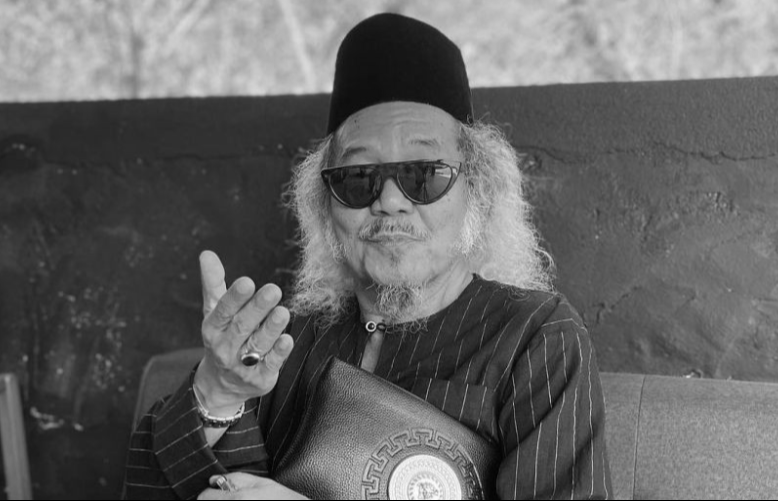
Malaysian cinema has lost one of its most recognisable figures with the death of actor Kamarool Yusoff, affectionately known as Cik Man, who passed away on August 5 at the age of 68. The beloved performer, who also went by the name Farok, succumbed to a heart condition while undergoing treatment at Tanah Merah Hospital, according to confirmation from his son Ahmad Fakhrol Aliff, aged 23, who stated that his father died at 5.30 pm.
The news of Cik Man's passing was first shared publicly through a Facebook post by comedian Mohammad Amirullah Azmi, commonly known as Amir Raja Lawak, who extended condolences to the actor's bereaved family. In his tribute, Amir Raja Lawak wrote a heartfelt message: "Kamarool Haji Yusoff, also known as Farok and Cik Man, has just left us. May Allah grant Abang Kamarool a place among the faithful and the righteous in Jannah, Al-Fatihah." The announcement sparked an outpouring of grief from the entertainment industry and members of the public who grew up watching Cik Man's performances.
Communications Minister Datuk Seri Fahmi Fadzil has joined the tributes, posting on Facebook to acknowledge the significant impact Cik Man had on Malaysian entertainment and culture. The minister recognised that for generations of Malay film enthusiasts, particularly those who came of age during the vibrant 1980s film era, Cik Man's name remains synonymous with memorable cinema. Fahmi emphasised that Cik Man was far more than an entertainer to audiences; he represented an important chapter in the nation's cultural heritage and artistic evolution during a golden period for local film production.
Fahmi's statement underscored Cik Man's standing within the wider creative community, noting that his respect extended well beyond acting circles to encompass all those who value Malaysian arts and culture. The minister's remarks reflect the broader recognition of Cik Man's role in shaping the landscape of Malay cinema during a formative decade. By highlighting the actor's contributions to the nation's cultural fabric, Fahmi drew attention to how individual performers can leave indelible marks on entire generations of viewers and continue to influence the industry long after their prime years.
The actor's most iconic role came in 1986 when he portrayed Farouk, the ruthless leader of the Gagak Hitam gang, in a Malaysian classic that cemented his place in cinema history. This particular character became so synonymous with Cik Man that audiences continued to refer to him by that name throughout his career. The film showcased his talent for inhabiting complex, morally ambiguous characters and demonstrated his ability to command screen presence alongside other established actors of that era. His portrayal became a benchmark for antagonist roles in Malay cinema and influenced how subsequent actors approached similar character types.
Beyond his legendary 1986 performance, Cik Man's career extended well into the 2000s, as evidenced by his appearance in a 2010 comedy production. This longevity in the industry speaks to both his professional resilience and the lasting demand from audiences to see him perform. Unlike many actors whose careers peaked and faded, Cik Man managed to remain relevant across different decades and evolving cinematic styles, adapting to changes in production techniques, storytelling approaches, and audience preferences. His ability to transition from the golden age of 1980s cinema to later comedic ventures demonstrated considerable range and flexibility as a performer.
In his tribute, Fahmi expressed gratitude on behalf of the nation, stating: "Thank you, Farouk/Cik Man, for enriching our arts scene and creating lasting memories for generations. Your service, contributions, and body of work will always be remembered." This acknowledgement from a government minister underscores the significance the state places on cultural contributions and artistic excellence. By publicly honouring Cik Man's legacy through official channels, Fahmi reinforced the message that entertainment figures who advance national culture deserve recognition and respect comparable to other professional achievements.
The minister also offered prayers for the late actor's spiritual peace, stating: "May Allah SWT forgive the late actor's sins, shower His mercy upon his soul, and place him among the righteous." This religious dimension to the official tribute reflects the cultural and spiritual values that remain central to Malaysian society and the way public figures commemorate the passing of fellow citizens. The invocation of Islamic prayers in a ministerial statement also demonstrates the integration of faith and public acknowledgement in Malaysian political discourse, where such sentiments are considered both appropriate and meaningful.
Cik Man's death marks the end of an era for Malaysian cinema, closing a chapter that began when local film production was at its creative and commercial peak. His passing will likely prompt retrospectives of 1980s Malay films and renewed interest in classic cinema among younger audiences who may discover his work through streaming platforms or film archives. The loss of such veteran performers often serves as a catalyst for broader conversations about preserving Malaysia's cinematic heritage and ensuring that future generations have access to the works that defined previous eras of entertainment and storytelling.
For those who witnessed Cik Man's career unfold across four decades, his memory will be intertwined with specific moments of Malaysian pop culture history. Teachers, parents, and cultural commentators will continue referencing his performances when discussing the evolution of local acting standards or the golden age of Malay cinema. His contributions to the industry extended beyond individual films to encompassing a particular aesthetic and approach to character work that influenced how subsequent generations of actors approached their craft. The tributes pouring in from across the entertainment sector and government demonstrate that Cik Man's impact transcended his on-screen roles to become part of the shared cultural consciousness of Malaysian society.

