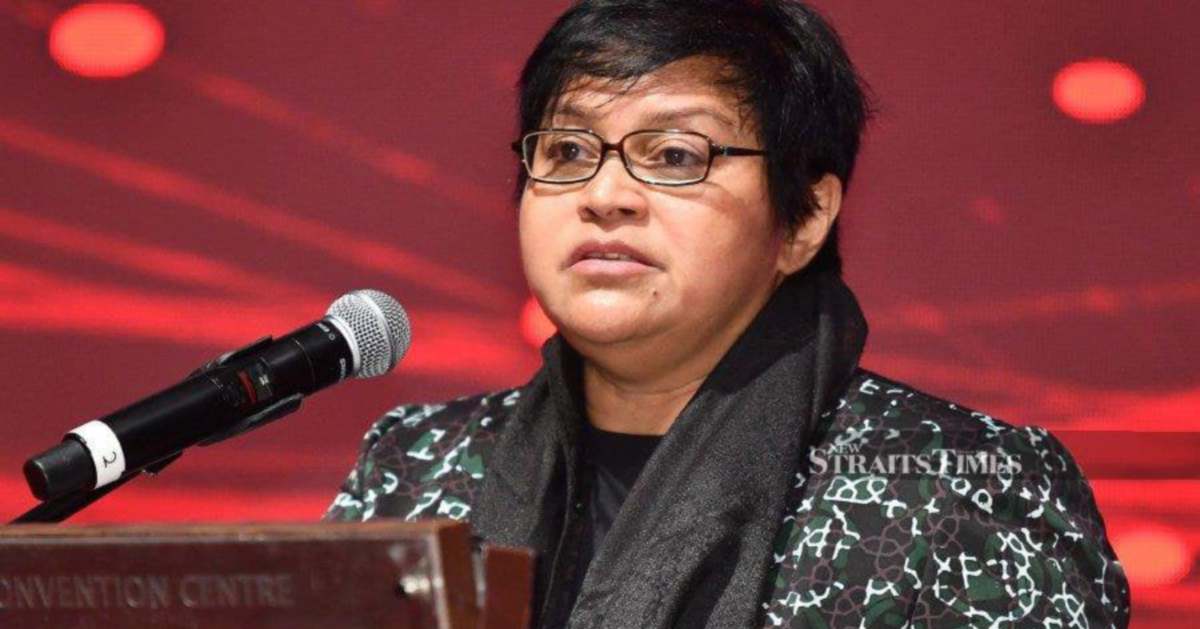
Umno information chief Datuk Seri Azalina Othman Said has cautioned against premature discussions on forming a coalition government in Johor, insisting that such conversations should begin only after voters have delivered their verdict at the ballot box. Her remarks reflect a broader concern within the party about maintaining focus on campaign efforts rather than engaging in post-election coalition calculations before results are finalised.
The timing of Azalina's statement underscores the strategic positioning within Umno as political parties across Malaysia prepare for electoral contests. Coalition negotiations represent a significant aspect of Malaysian politics, where governments are frequently formed through post-election arrangements between multiple parties rather than through outright majorities. However, premature coalition discussions can potentially undermine campaign momentum and create perceptions of parties taking voter support for granted.
Johor, as Malaysia's second-most populous state and an economic powerhouse in the southern region, carries substantial political weight in national calculations. The state has historically been a Umno stronghold, though recent election cycles have demonstrated shifts in voter preferences across different demographic groups. Any coalition arrangement formed after elections would need to command sufficient support in the Johor state assembly to establish a functioning government capable of implementing policies and managing state resources.
Azalina's emphasis on waiting for election outcomes reflects a disciplined messaging approach common among ruling coalition parties. By discouraging speculation about post-election arrangements, Umno seeks to project an image of confidence in its electoral performance while avoiding internal disputes that could emerge from premature coalition discussions. Such disputes have occasionally fractured party unity in previous electoral cycles, creating vulnerabilities that opposition parties could exploit.
The separation of campaign activity from coalition planning also allows parties to address immediate concerns raised by voters without appearing to negotiate away electoral mandates. Campaigns focus on policy platforms, development promises, and party credentials, while coalition talks involve compromises that may require adjusting those original commitments. Keeping these phases distinct helps maintain the coherence of campaign messaging.
Malaysia's political system frequently produces outcomes requiring coalition formation, particularly at state level where single-party majorities remain less common than in federal parliament. Johor's assembly composition would determine which parties possess the numerical strength to form government. The mathematical requirements for assembling a majority in the state legislature would ultimately shape whatever coalition emerges following an election.
The caution against premature negotiations also reflects awareness within Umno of the delicate balance required to maintain party cohesion. When parties engage in publicly visible coalition discussions before elections conclude, it can create expectations among members and supporters that may prove unachievable. Disappointment with coalition terms, ministerial allocations, or policy concessions can subsequently damage party morale and member engagement.
For Malaysian voters in Johor, Azalina's statement serves as a reminder that election outcomes will determine subsequent political arrangements rather than predetermined agreements. This transparency is important for electoral integrity, as it signals that party decisions about government formation will respond to voter preferences rather than reflecting arrangements made before citizens cast their ballots. This principle underpins democratic accountability within Malaysia's constitutional framework.
From a regional perspective, Malaysian coalition politics attract attention from Southeast Asian observers studying democratic practice in the region. Coalition formation processes reveal how parties balance competition with cooperation, how institutions manage minority rights, and how governments establish legitimacy through post-electoral arrangements. Johor's next political configuration will contribute to broader understanding of coalition dynamics across the region.
Azalina's position also reflects pragmatic recognition that vote calculations remain fluid until polling concludes. Voter sentiment can shift during campaigns based on economic conditions, campaign performance, and emerging issues. Parties must remain adaptable to potential variations in their electoral performance rather than constructing coalition agreements based on earlier predictions that may not materialise.
The statement carries implications for opposition parties as well, signalling that Umno will not be drawn into preliminary coalition discussions that might reveal strategic vulnerabilities or internal divisions. By maintaining this disciplined approach, Umno prevents potential opponents from exploiting coalition discussions for competitive advantage during the campaign phase.
Looking forward, the Johor political landscape will depend substantially on election outcomes and which parties subsequently command the numerical strength to govern. Azalina's insistence that coalition discussions properly follow rather than precede election results establishes a framework for orderly political transitions that respects both electoral processes and democratic accountability. This measured approach distinguishes routine political administration from more contentious coalition negotiations that characterise periods of electoral uncertainty.

