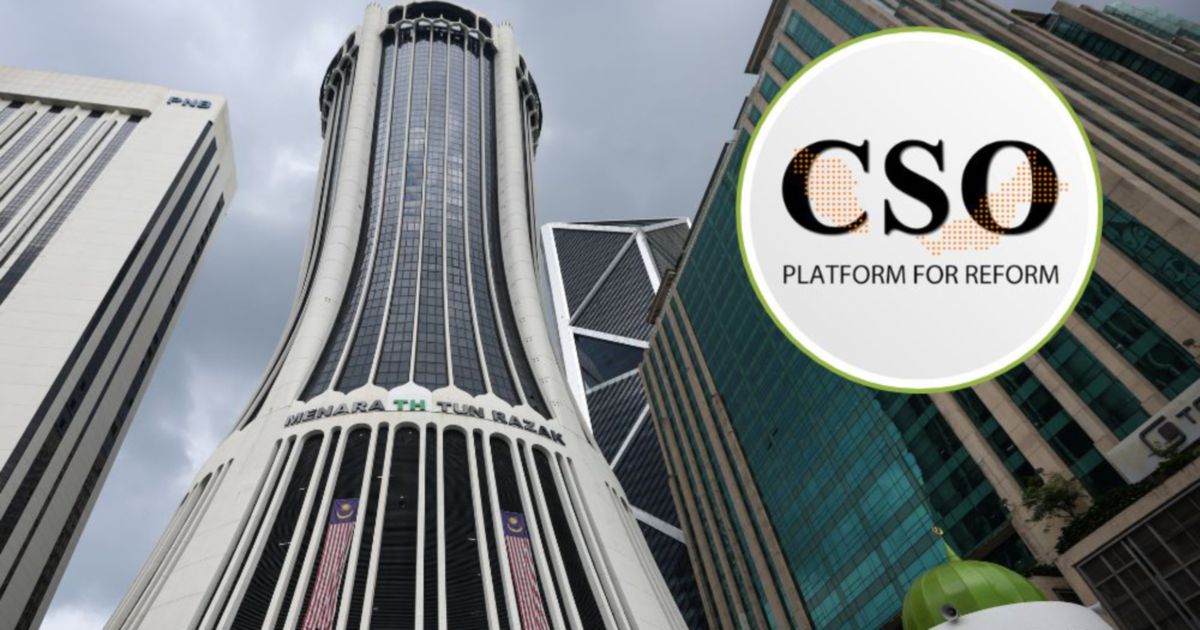
Civil society organisations have intensified pressure on authorities to establish a fully autonomous inquiry into systemic breakdowns at Lembaga Tabung Haji, marking a significant escalation in calls for accountability following the Royal Commission of Inquiry's examination of the Islamic pilgrimage fund. The CSO Platform for Reform has articulated concerns that only a completely independent investigation—insulated from government and institutional influence—can adequately assess the severity and scope of failures that have undermined public confidence in Malaysia's flagship hajj savings scheme.
The demand reflects broader anxieties within civil society about whether conventional accountability mechanisms possess sufficient independence and enforcement capacity to examine institutional dysfunction at such a sensitive juncture. Tabung Haji, which manages savings for hundreds of thousands of Malaysian Muslims planning to perform the hajj pilgrimage, occupies a deeply significant position in Malaysia's religious, cultural, and financial landscape. Any institutional failures therefore carry implications extending far beyond administrative malfeasance, affecting the spiritual aspirations and financial security of millions of contributors and their families across the nation.
The RCI's conclusions have provided empirical foundation for these concerns, documenting patterns of institutional mismanagement that warrant rigorous forensic examination. Civil society groups argue that the depth and complexity of the issues identified necessitate investigation by entities with genuine autonomy, adequate technical expertise, and unfettered authority to pursue leads without institutional or political constraints. They contend that such independence is essential for establishing comprehensive understanding of how systemic failures developed and crystallised within the organisation's governance structures.
This civil society push arrives amid heightened public scrutiny of Tabung Haji's operational performance and financial stewardship. Malaysian citizens—particularly the millions who have entrusted savings to the institution—deserve transparent, definitive answers about how institutional weaknesses emerged and what measures will prevent recurrence. The call for independent investigation essentially reflects confidence deficit that existing institutional channels can deliver sufficiently rigorous accountability.
For Malaysian stakeholders, the implications extend across multiple dimensions. Hajj pilgrims question whether their accumulated savings remain secure. Policymakers confront urgent decisions about regulatory restructuring and oversight mechanisms. Religious authorities face questions about their monitoring role. Financial sector observers monitor whether governance failures at Tabung Haji reveal broader vulnerabilities in Malaysia's financial architecture, particularly regarding institutions managing public funds with spiritual significance.
The CSO Platform's intervention also reflects international best practices in institutional accountability. When major organisations experience systemic failures, independent commissions of inquiry—insulated from the institutions they examine—have proven most effective at generating credible findings and sustainable reform recommendations. Malaysia's track record with independent investigations demonstrates that autonomous bodies, granted genuine investigative authority, can produce findings commanding broad stakeholder acceptance and facilitating genuine institutional transformation.
Civil society groups emphasise that procedural independence remains essential for institutional legitimacy. If investigation is conducted primarily by entities with structural relationships to Tabung Haji or its overseeing ministries, scepticism about impartiality could undermine whatever conclusions emerge. Public confidence in remedial measures depends substantially on widespread belief that underlying investigation was thorough, impartial, and uncompromised. This is particularly critical when institutions managing religious contributions are involved, where ethical dimensions compound technical accountability concerns.
The timing of these demands carries significance within Malaysia's political and governance context. Religious and financial accountability occupy intersecting space in Malaysian public discourse, where legitimate expectations about transparency, competence, and ethical stewardship are heightened. Civil society organisations position their calls within this framework, arguing that Malaysia's development aspirations and international standing depend substantially on demonstrating capacity for rigorous self-examination and institutional accountability, particularly regarding organisations managing contributions from vulnerable populations.
Movement toward comprehensive independent investigation also addresses precedent concerns. Institutional failures at Tabung Haji, if inadequately investigated, might establish templates for insufficient accountability across Malaysia's broader institutional ecosystem. Conversely, demonstrating genuine commitment to thorough, independent examination of major institutional failures signals to Malaysian society—and international observers—that governance standards remain robust and that accountability mechanisms function effectively even when examining sensitive institutions.
The civil society platform's intervention suggests growing recognition that institutional reform requires more than technical adjustments. Stakeholder confidence, procedural integrity, and transparent accountability constitute foundational elements of effective reform. Only investigation structured to guarantee genuine independence from institutional influence can adequately address the deep-rooted concerns that Tabung Haji's failures have generated throughout Malaysian Muslim communities and beyond.
Looking forward, civil society groups have essentially framed the decision about investigation structure as consequential for Malaysia's broader governance trajectory. Whether authorities establish fully independent inquiry mechanisms will signal broader commitment to accountability standards and institutional reform. For the millions of Malaysian Muslims with legitimate stakes in Tabung Haji's future, the adequacy and independence of investigation examining past failures carries direct implications for confidence in reformed institutional structures and their stewardship of public religious contributions.

