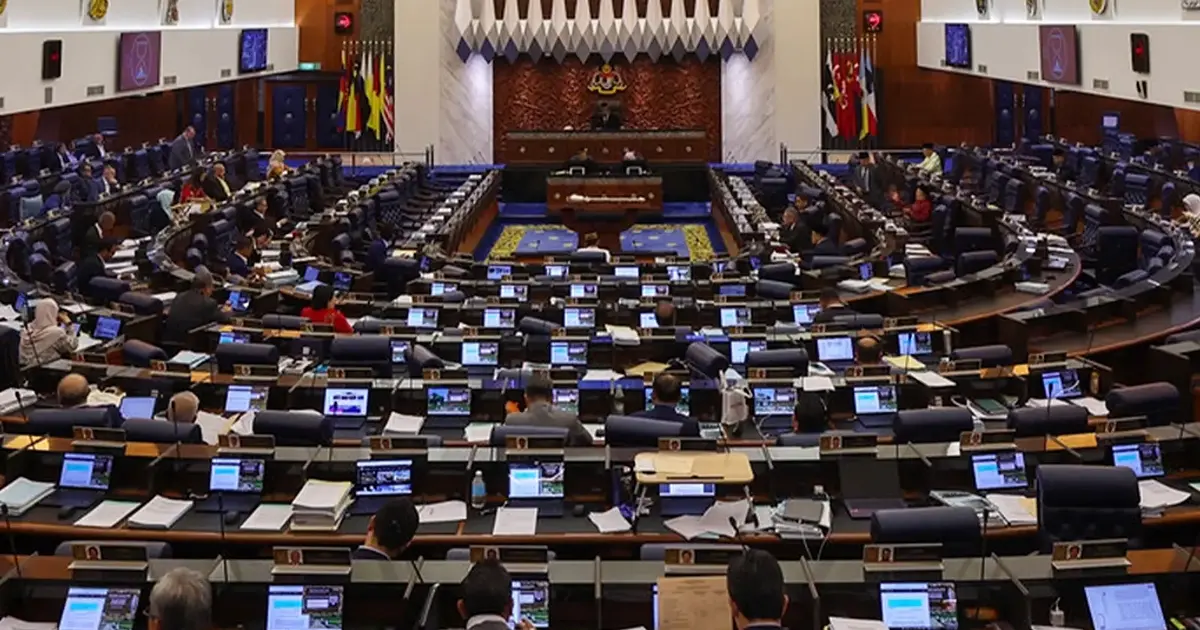
A coalition of Malaysian non-governmental organisations has made a significant appeal for political stability and collaborative governance, urging the prime minister to orchestrate a high-level summit between the ruling coalition and opposition parties to negotiate and implement substantive reforms before the sixteenth general election takes place. The push reflects growing concerns within civil society about parliamentary longevity and the need for consensus-driven institutional improvements, particularly as the nation approaches another electoral cycle.
The call for a full parliamentary term represents a departure from Malaysia's recent political volatility, which has seen multiple government transitions and early dissolutions of parliament within the past five years. Civil society groups contend that allowing parliament to run its natural course would provide adequate time for meaningful legislative work and demonstrate institutional maturity to both domestic and international observers. This stability would also create predictable governance conditions essential for economic planning and investor confidence, matters of considerable importance for a regional economy increasingly scrutinised for political resilience.
Central to the NGOs' proposal is the concept of a cross-party reform pact—a formal agreement between government and opposition blocs to pursue common objectives rather than purely partisan agendas. Such arrangements have precedent in other parliamentary democracies and could address longstanding institutional weaknesses that transcend party lines. Reform areas typically targeted by Malaysian civil society include strengthening parliamentary oversight mechanisms, enhancing transparency in legislative processes, and reviewing electoral frameworks that shape the competitive environment for all parties.
The summit proposal carries particular significance given Malaysia's polarised political landscape, where trust between competing blocs has eroded substantially over successive electoral cycles. By creating a structured dialogue platform at the highest level, the NGOs hope to facilitate conversations that might otherwise remain impossible in the adversarial atmosphere of regular parliamentary sessions. The prime minister's attendance and active participation would signal executive commitment to bridging partisan divides on matters deemed beneficial to national governance architecture.
Implementing reforms before GE16 rather than after carries strategic implications for all political actors. Opposition parties may view pre-election reforms as an opportunity to influence rules affecting electoral competition and legislative procedure while they retain negotiating power. The ruling coalition might embrace reforms as demonstration of governance responsiveness, potentially enhancing its electoral narrative around institutional modernisation. Both sides could present reformed institutions as achievements benefiting voters and democratic quality irrespective of election outcomes.
The NGO coalition's intervention highlights how Malaysia's civil society has increasingly positioned itself as a watchdog for institutional integrity and democratic standards. Unlike partisan actors pursuing specific electoral advantages, these organisations operate from ostensible concern for systemic health affecting all communities. Their amplification of demands for parliamentary completion and bipartisan cooperation reflects judgments about what constitutes responsible governance at this particular constitutional moment.
For Malaysian readers and regional observers, this development underscores broader questions about whether political competition can coexist with institutional consensus. Southeast Asian democracies have struggled balancing vigorous electoral contests with cross-party agreement on foundational matters. Thailand, Indonesia, and the Philippines offer cautionary examples where partisan conflict prevented collaborative reform, while Singapore's dominant-party model emphasises consensus at the cost of political competition. Malaysia's particular challenge involves maintaining genuine electoral contestation while building sufficient common ground to address systematic weaknesses.
The proposed reforms touch on issues affecting parliamentary functionality and democratic representation that transcend immediate electoral calculations. Electoral commission independence, parliamentary ethics oversight, whistleblower protections, and legislative transparency protocols represent areas where cross-party agreement might prove feasible despite disagreements on other matters. Creating mechanisms for such targeted cooperation could establish precedent for future bipartisan initiatives on other policy domains.
Historically, Malaysian reform efforts have often stalled when opposition and government could not reconcile competing interests, particularly regarding institutional structures shaping electoral outcomes. A pre-election reform pact would require each side accepting trade-offs where neither achieves maximum advantage, demanding political maturity that Malaysia has sporadically demonstrated. The NGO appeal essentially asks politicians to prioritise democratic institution-building over short-term partisan gain—a high bar in any democracy, particularly in Malaysia's current competitive environment.
Regional implications deserve consideration, as Malaysia's institutional health influences Southeast Asian perceptions about democratic sustainability in the region. Successful implementation of bipartisan reform frameworks could signal that even moderately fractious democracies can undertake collaborative modernisation. Conversely, failure to bridge partisan divides would reinforce narratives about democracy's difficulty managing institutional improvement amid electoral competition.
The practical mechanics of convening such a summit present logistical and procedural questions. Determining which opposition parties warrant inclusion, establishing negotiation parameters, and managing press and public expectations all require careful choreography. The NGO proposal assumes goodwill from both government and opposition, a commodity increasingly scarce in Malaysian politics yet essential for the summit's success and legitimacy.
Moving forward, the receptiveness of political leadership to this civil society initiative will reveal much about Malaysia's current political climate. Whether the prime minister accepts the invitation to host negotiations signals willingness to explore collaborative approaches. Similarly, opposition acceptance would indicate readiness to engage constructively on institutional matters despite electoral competition. Both responses will shape how voters assess political maturity and institutional commitment as GE16 approaches.

