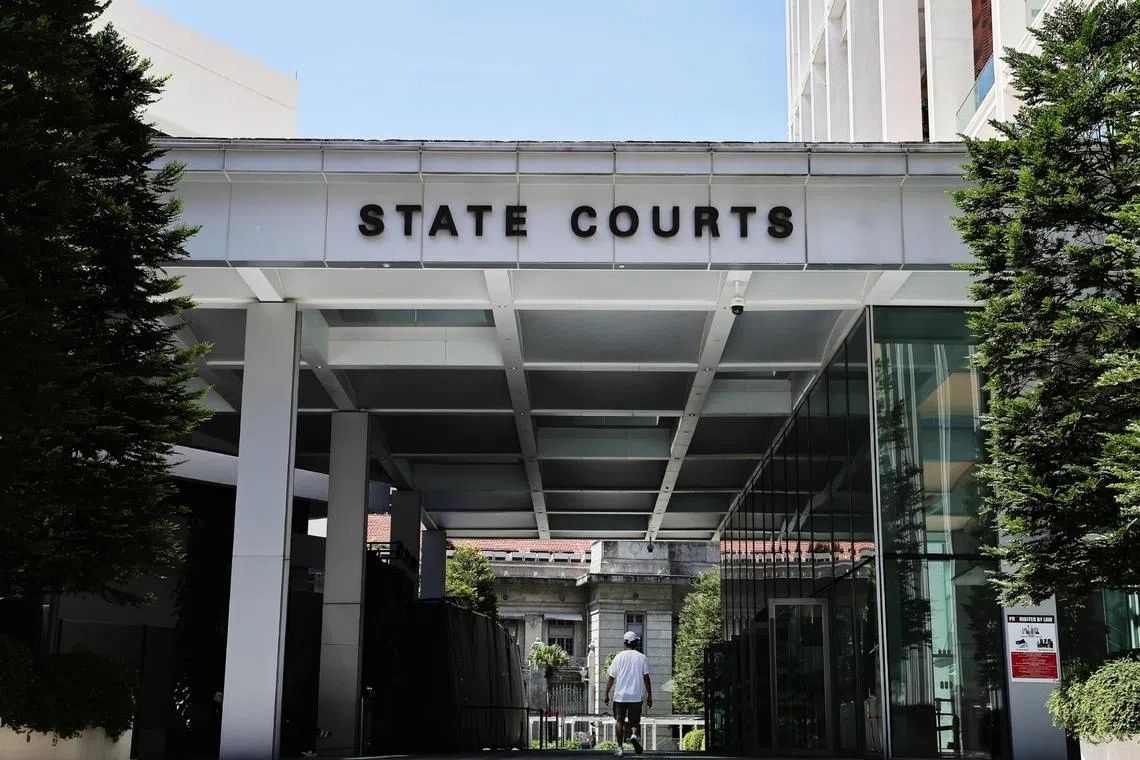
A 41-year-old Chinese national has admitted guilt to orchestrating a series of high-value home burglaries across Singapore's most exclusive residential areas, targeting properties he identified as likely to contain valuable items and remain temporarily unoccupied. Huang Xiaozong arrived in the city-state on December 5, 2025, and within a single day began executing his criminal plans with startling efficiency and local knowledge, demonstrating how even first-time visitors to Singapore can quickly identify and exploit the geographic concentration of wealth in the island nation's premium neighbourhoods.
The court proceedings, which culminated in Huang's guilty plea on Friday, July 10, reveal a calculated approach to criminal activity that reflects broader vulnerabilities in residential security across Singapore's affluent enclaves. Rather than acting on impulse, Huang had researched Singapore's geography beforehand, specifically identifying Sentosa and Serangoon Gardens as areas where wealthy residents maintained properties. This premeditation distinguishes his crimes from opportunistic theft and suggests a level of planning that authorities recognise as aggravating factors in sentencing considerations.
Huang's first target was a luxury suite at a hotel resort in Sentosa, accessed on December 6, 2025, just one day into his Singapore sojourn. The suite's occupant, a residential guest of the property, was travelling abroad at the time, and Huang's observation of the darkened unit and apparent vacancy emboldened him to breach the premises. He forced entry through the rear balcony sliding door, bypassing what law enforcement documents suggest were insufficient physical security measures. Once inside, Huang systematically collected high-value portable items, prioritising jewellery and accessories that would be easy to transport and difficult to trace. His haul from this single incident included a Chanel watch appraised at $30,000, five rings valued at $25,000, and a gold necklace worth $3,000. The theft went undetected for two days until housekeeping staff discovered disturbed items and footprints, highlighting the risks posed by irregular occupancy patterns in luxury accommodation.
Encouraged by his initial success and facing no immediate detection, Huang ventured to Serangoon Gardens on December 7, 2025. This prestigious residential enclave, known for its substantial properties and resident wealth, offered multiple targets. Arriving during evening hours between 7pm and 8pm—a window when residents might be out for dinner or entertainment—Huang identified a darkened house lacking exterior illumination and scaled the perimeter gate. Once inside, he stole jewellery valued at more than $47,000, including rings, gold and diamond necklaces, diamond earrings, and wedding rings. The specificity of his targets suggests familiarity with luxury jewellery's market value and portability compared to larger art objects or electronics.
The same evening, Huang proceeded to a second Serangoon Gardens property, again choosing a residence that appeared unoccupied. His attempt at this location proved his undoing. A domestic helper, present at the property, observed Huang and questioned his presence, prompting him to abandon the burglary and flee back to his hotel accommodation in Little India with the stolen goods already accumulated. The domestic helper's alertness and swift reporting to police proved crucial to stopping further crimes and enabling rapid apprehension. The homeowner, returning home that evening, discovered something amiss and contacted law enforcement.
Investigators traced Huang to his Little India hotel, where he was arrested on December 8, 2025, just three days after his arrival in Singapore. Police recovered stolen property with a combined declared value of $105,000, representing one of the larger single-incident jewellery theft hauls in recent Singapore crime statistics. The speed of Huang's arrest and recovery of goods contrasts sharply with international cases where burglars escape with valuables, suggesting Singapore's surveillance infrastructure and police response capabilities proved effective despite the initial security lapses at targeted properties.
The case illustrates persistent challenges facing Singapore's residential security sector, particularly regarding the protection of high-value items in luxury homes and serviced apartments. Many affluent residents maintain jewellery, watches, and precious metals in residential safes, yet Huang's success in accessing multiple properties and locating valuables suggests either inadequate physical security implementations or insufficient use of available security measures. The incident raises questions about whether occupancy patterns in Sentosa's serviced apartments and Serangoon Gardens' larger properties create predictable vulnerabilities that criminal researchers can identify remotely.
Huang will face sentencing on August 14, 2025, with prosecutors likely to argue for substantial imprisonment given the financial scale of his crimes, the deliberate targeting of wealthy neighbourhoods, and the clear premeditation evident in his research and execution. Singapore's courts have historically imposed prison sentences ranging from two to five years for residential burglary cases involving significant financial losses and targeting vulnerable periods of property vacancy. The fact that this was Huang's initial visit to Singapore rather than part of an established criminal network may offer limited mitigation, though defence counsel might argue for considerations related to rehabilitation prospects.
The broader implications of this case extend beyond Singapore's borders, carrying significance for regional security planners and wealthy families across Southeast Asia who maintain properties in multiple jurisdictions. Huang's ability to research target locations remotely and execute crimes within days of arrival demonstrates how globalised crime has become, particularly among offenders willing to travel internationally for high-value theft opportunities. The case also reinforces the importance of consistent security practices, including maintaining visible occupancy signals, engaging professional property management for vacant periods, and ensuring staff awareness of security protocols—lessons applicable to Malaysian high-end residential areas facing similar vulnerabilities in major cities like Kuala Lumpur and Petaling Jaya.

