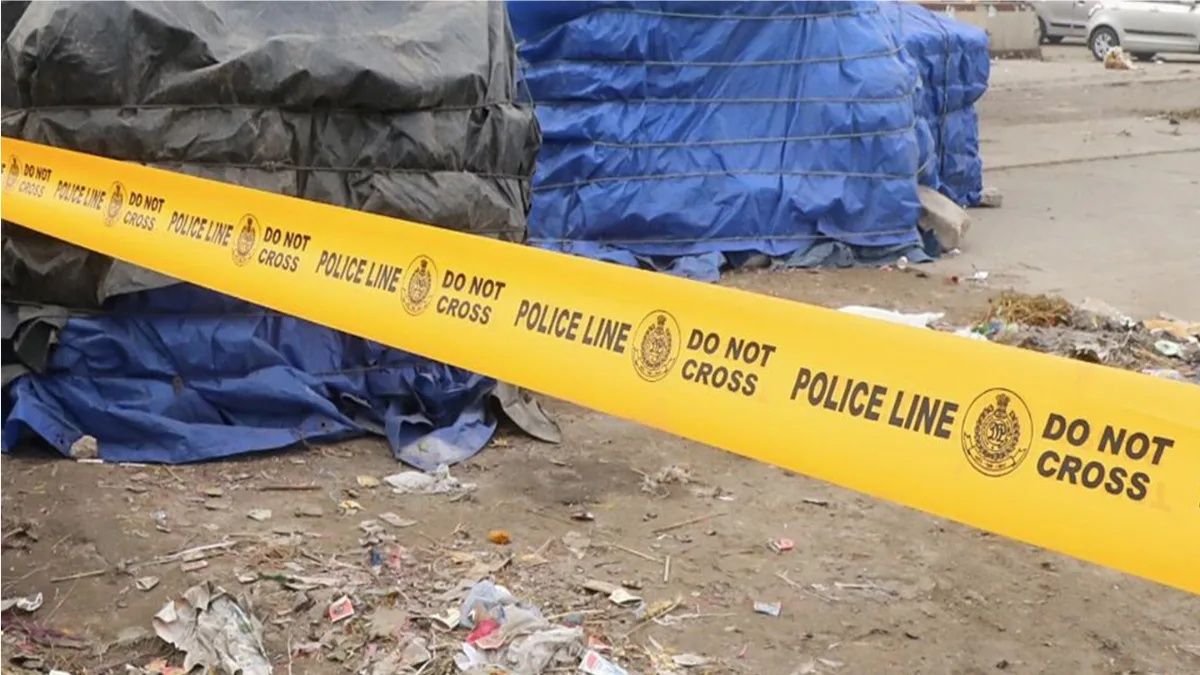
A tragedy in the South 24 Parganas district of West Bengal has exposed the volatile tensions surrounding child safety in the region, after the death of a 12-year-old girl set off a chain of violence that left one person dead at the hands of an angry mob and brought two suspects into police custody. The incident unfolded in Baruipur on Sunday, July 5, when the discovery of the child's body in a pond near her home prompted hundreds of residents to take matters into their own hands, resulting in confrontations with law enforcement and the disruption of critical transportation links in the area.
The circumstances surrounding the girl's final hours remain under investigation, though her family's account paints a picture of abduction and foul play. According to those closest to her, the child left their residence on Saturday evening with a simple errand—to purchase food from a nearby shop. Hours passed without her return, triggering alarm among family members. They would later claim that four individuals had forcibly taken her away, though the exact sequence of events remains unclear. The overnight search for her proved futile until Sunday morning, when her lifeless body was discovered floating in a pond situated near the family home, concealed in a sack.
The recovery of the child's body catalysed an explosion of community anger that quickly overwhelmed local law enforcement's capacity to maintain order. Villagers converged on the pond site by the hundreds, creating a human barrier around the remains and refusing to permit police officers to remove the body for processing. This initial standoff reflected deep-seated frustrations within the community about crime, safety, and the perceived inadequacy of institutional responses to threats against vulnerable residents. The protesters' determination to maintain physical control of the body suggested both a desire to prevent the case from disappearing into bureaucratic channels and a loss of faith in formal justice mechanisms.
As tensions escalated, the protests evolved into coordinated action against infrastructure and symbols of state authority. Demonstrators established blockades across major roads in the vicinity, while simultaneously obstructing railway tracks at Suryapur station along the Sealdah-Namkhana section. For approximately five hours, vehicular traffic ground to a halt, and train services were interrupted for roughly an hour before police intervention restored normal operations. The strategic targeting of transportation networks reflected protesters' intent to amplify their message beyond the immediate locality and force government attention to their grievances.
The most alarming development came when community vigilantism transformed into extrajudicial violence. A young man suspected of involvement in the crime—identified by residents as having been sighted in the company of some of the accused—became the focus of mob retribution. According to accounts provided by local people, the individual was apprehended and subjected to a beating by the gathered crowd, ultimately resulting in his death. The circumstances surrounding his guilt or innocence remain disputed, and police faced significant obstacles in attempting to rescue him from the mob before the fatal beating occurred.
The escalation of community anger into violence against the suspected perpetrator and subsequently against police personnel marked a critical inflection point in the incident. Protesters hurled stones at law enforcement officers who arrived to manage the situation, while also damaging vehicles and property. Several police personnel sustained injuries during these confrontations, with at least one officer requiring hospitalisation at a nursing home. The violence reflected a rupture in the social contract between law enforcement and the community they serve—a moment where residents felt compelled to circumvent formal justice systems and pursue their own accountability mechanisms.
Police response involved deploying substantial numbers of officers to the scene, supplemented by central paramilitary forces to contain the situation. Inspector General of Police (Presidency Range) Kankar Prasad Barui visited Baruipur to assess conditions firsthand and address grievances directly. Speaking through public address systems, Barui conveyed assurances that no perpetrator would escape justice and pledged that the strongest possible legal consequences would be pursued. The police commitment to expedited post-mortem procedures and thorough investigation appeared designed to rebuild community confidence and prevent further eruptions of vigilante justice.
Political leadership also moved to project responsiveness to the community's trauma. West Bengal Chief Minister Suvendu Adhikari personally telephoned the victim's father to offer condolences and guarantee that legal punishment would be imposed. The invitation for the bereaved parent to meet with the Chief Minister at Nabanna—the seat of state government—signalled an attempt to elevate the case to the highest political level and demonstrate that senior officials were personally invested in securing justice. Such gestures carry symbolic weight in Indian politics, though their concrete impact on case outcomes often remains uncertain.
The incident reflects recurring challenges across South Asia regarding child safety, community trust in institutions, and the potential for mob violence to emerge in response to perceived institutional failures. In states like West Bengal, where crime against vulnerable populations periodically dominates headlines, public confidence in police capacity to prevent and prosecute such offences has become strained. The ready willingness of community members to form violent mobs suggests that many residents view institutional justice mechanisms as inadequate or unreliable, prompting them to assume enforcement roles themselves—a concerning trend for rule of law and public order.
By Sunday afternoon, police had successfully persuaded protesters to disperse and lift blockades on roads and railways, restoring normal traffic flow. The child's body was transported to Baruipur Sub-Divisional Hospital for formal post-mortem examination. Enhanced security deployments were established across the district to prevent fresh outbreaks of communal violence while investigations proceeded into multiple dimensions of the case: the circumstances of the child's death, the identities and roles of all perpetrators, the lynching incident, and the assault on police personnel.
Investigators now face the complex task of establishing a reliable account of events amid community anger, competing narratives, and the complicating factor of mob violence that has already claimed at least one life. The case will inevitably influence discussions about child protection protocols, police capacity in rural areas, and the conditions under which communities turn to extrajudicial violence. For Malaysian observers, the incident underscores ongoing vulnerabilities in child safety systems across the region and the ways that institutional trust deficits can rapidly metastasise into public disorder.

