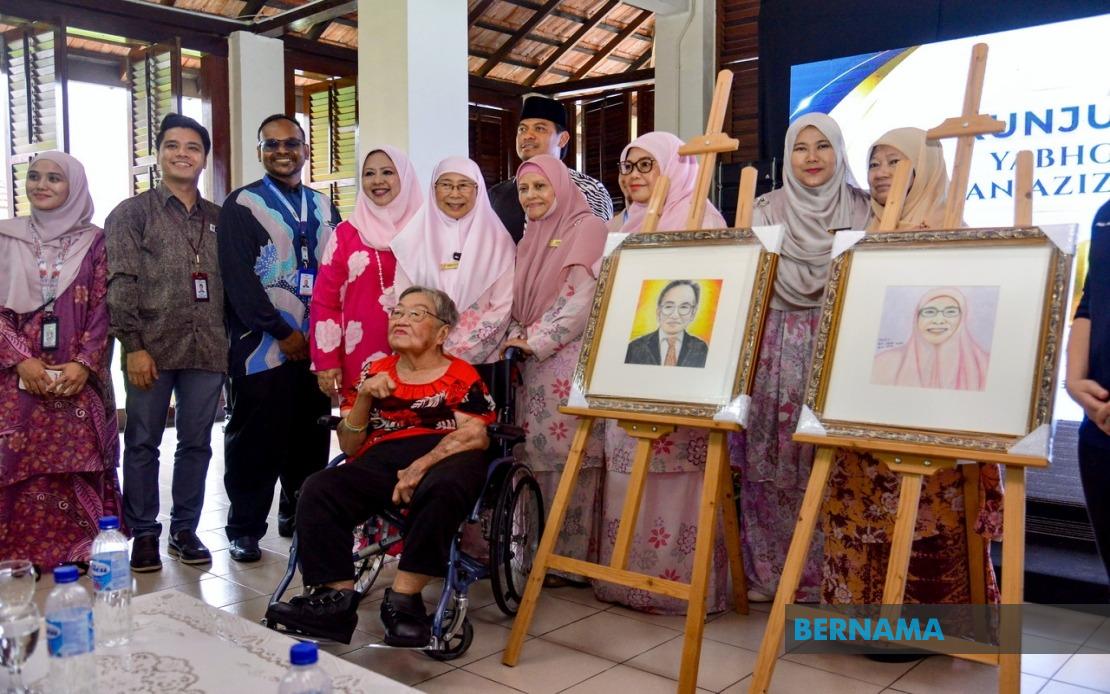
The National Leprosy Control Centre (PKKN) at Sungai Buloh, marking its 100th anniversary this year, warrants continued preservation and recognition as a cornerstone of Malaysia's medical heritage, according to Datuk Seri Dr Wan Azizah Wan Ismail, wife of the Prime Minister. During a visit to the facility on August 19, she emphasised the cultural and historical significance of the institution, which was established in 1926 and represents a critical chapter in the nation's public health journey.
The PKKN's trajectory reflects the evolving landscape of Malaysian healthcare over the past century. When it was founded nearly a hundred years ago, leprosy—also known as Hansen's disease—represented a significant public health challenge in Malaya. The establishment of a dedicated isolation centre underscored the colonial and early post-independence government's commitment to disease control, even as medical understanding of the condition remained limited. Today, the centre stands as a tangible reminder of how far Malaysia's health system has progressed, and how medical science continues to reshape our understanding of previously stigmatised conditions.
Dr Wan Azizah acknowledged that while leprosy has largely been brought under control domestically, the centre retains substantial value beyond its primary treatment function. She stressed that the physical infrastructure and institutional knowledge accumulated over a century constitute an irreplaceable archive of medical practice and social responses to infectious disease. The centre's historical records, architectural elements, and the experiences of those who worked and received treatment there form a narrative that deserves scholarly attention and public appreciation. Her remarks underscore a broader recognition that heritage preservation extends beyond monuments and museums to encompass institutions that shaped how Malaysians lived, suffered, and recovered.
Malaysia's success in combating leprosy has been remarkable by international standards. The country achieved elimination status in 1994, a milestone that reflected decades of coordinated public health intervention and medical advancement. The current prevalence rate of 0.15 cases per 10,000 population sits comfortably below the World Health Organisation's threshold for elimination, demonstrating sustained effectiveness of treatment protocols and disease surveillance. This achievement, while celebrated, should not render the PKKN obsolete or forgotten. Rather, it validates the institution's historical mission and positions it as a case study in successful disease elimination—a lesson increasingly relevant as countries worldwide grapple with communicable disease management.
The stigma surrounding leprosy has been a persistent challenge throughout the centre's existence. Patients faced profound social ostracism, with the disease often viewed through moral and religious lenses rather than biomedical ones. Dr Wan Azizah's observation that public perception has shifted reflects broader changes in health literacy and scientific understanding. Modern Malaysians recognise that leprosy is neither highly transmissible nor a consequence of personal failings. This demystification represents progress, yet it makes preservation of the PKKN even more important—future generations should understand not only the disease itself but also the social and psychological dimensions that characterised earlier responses to it.
Beyond preservation of heritage structures, Dr Wan Azizah advocated for continuous upgrading of healthcare services at the facility. This dual mandate—maintaining historical integrity while ensuring contemporary medical standards—reflects a mature approach to institutional stewardship. The PKKN should not become a static museum piece but rather a living institution that honours its past while serving present needs. The centre's recent conversion to accommodate COVID-19 patients during 2020 illustrated this adaptive capacity, demonstrating that historical facilities can remain functionally relevant to evolving health crises.
The visit itself carried symbolic weight, with Dr Wan Azizah, also chairwoman of KASIH Malaysia, spending time with residents and staff, distributing necessities, and receiving artwork created by residents. These interactions highlighted the human dimension of the institution—beyond clinical statistics and administrative records exist individuals whose lives intersected with the PKKN's mission. Recognising their experiences and contributions enriches the historical narrative and reinforces the ethical imperative to preserve and honour the centre.
For Southeast Asian policymakers, the PKKN's centenary offers instructive perspectives on long-term disease control strategies and institutional sustainability. Malaysia's approach—combining medical innovation with public health infrastructure and, eventually, societal attitude change—provides a model relevant to countries still contending with Hansen's disease or other stigmatised conditions. Regional health bodies could draw lessons from Malaysia's elimination success while recognising that such achievements require sustained investment in institutions like the PKKN, not their abandonment once disease burden decreases.
The preservation initiative also speaks to Malaysia's broader cultural and institutional values. A nation that maintains and celebrates institutions reflecting its health history demonstrates commitment to transparent governance and public memory. Future Malaysians should have access to these physical and documentary records, enabling them to understand how their forbears confronted medical challenges and how scientific and social understanding evolved. In this respect, the PKKN joins other heritage sites as a keeper of national narrative.
Dr Wan Azizah's advocacy arrives at a fortuitous moment, as heritage conservation gains prominence in development discourse. Balancing economic growth with preservation of historically significant sites remains contested terrain in Malaysia and across Southeast Asia. Her intervention, carrying the weight of her position, signals official recognition that the PKKN merits protection status and sustained funding. This endorsement should catalyse concrete measures, including architectural conservation, archival documentation, and possibly designation as a heritage site of national importance.
Looking ahead, the challenge for policymakers lies in operationalising preservation while maintaining the centre's viability as a healthcare facility. Funding mechanisms, governance structures, and community engagement strategies must be developed to ensure the PKKN thrives rather than merely survives. The centre's centennial should prompt not only commemoration but strategic planning for its next chapter, ensuring that this institution continues contributing to Malaysia's health system and historical consciousness for generations to come.

