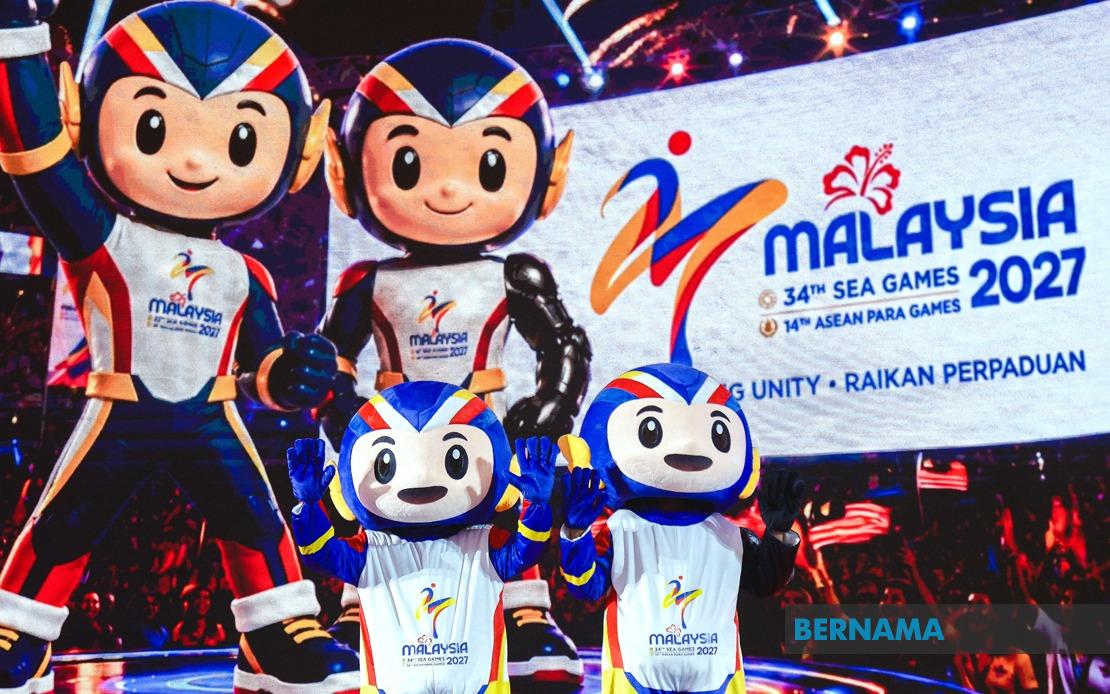
Malaysia has officially launched its vision for hosting the 2027 SEA Games and ASEAN Para Games, adopting 'Celebrating Unity' as the centrepiece theme for what promises to be a landmark sporting event for Southeast Asia. The announcement was made by Youth and Sports Minister Dr Mohammed Taufiq Johari at a ceremony in Putrajaya, marking a symbolic moment as the nation advances its preparations for the dual competitions scheduled to take place across multiple regions within Malaysia's borders.
The thematic choice of 'Celebrating Unity' carries profound significance for a region historically bound by the ASEAN framework yet frequently tested by geopolitical and economic pressures. By positioning unity as the Games' central narrative, Malaysia is signalling a commitment to transcending national rivalries and emphasising the collective identity of Southeast Asia's sporting community. Dr Mohammed Taufiq articulated this vision as more than ceremonial rhetoric, framing the theme as a philosophical anchor that will inspire athletes to push beyond conventional boundaries and pursue excellence with a sense of shared regional purpose.
Complementing the theme is TUAH, the official mascot, a departure from the traditional animal-based character designs that have characterised previous iterations of the Games across the region. Rather than drawing on fauna, TUAH embodies a contemporary human figure—conceived as a dynamic, confident, and approachable modern hero. This strategic evolution reflects a broader shift in how Southeast Asian host nations are positioning their Games: not as celebrations of folklore alone, but as showcases of contemporary aspiration and forward momentum. The mascot's design philosophy suggests Malaysia views the 2027 Games as an opportunity to project a progressive, inclusive image of the region.
Visually, TUAH incorporates the colours of the Jalur Gemilang, Malaysia's national flag, a deliberate choice that grounds the regional event within national pride whilst simultaneously asserting Malaysia's role as custodian of a pan-Southeast Asian spectacle. The integration of national symbolism into a figure meant to represent regional unity illustrates the delicate balance host nations must strike between asserting their own identity and fostering collective belonging. For Malaysian athletes and the broader public, this visual language is designed to cultivate emotional investment and a sense of proprietorial pride in the Games' success.
Dr Mohammed Taufiq expressed confidence that TUAH would serve as a fortunate symbol as Malaysia pursues the status of overall champions on home soil. This ambition is neither incidental nor modest; emerging as the top-performing nation at the SEA Games carries prestige and geopolitical soft power within the region. The minister's invocation of TUAH as a potential luck-bringing emblem reflects the deep cultural value placed on symbolism in Southeast Asian contexts, where mascots transcend mere branding to become vessels of collective aspiration.
On the infrastructure front, preparations are proceeding across four distinct geographical clusters: Sarawak, Penang, Johor, and Kuala Lumpur. This distributed model represents a significant logistical undertaking, requiring coordination across multiple states and ensuring equitable sporting infrastructure development. Dr Mohammed Taufiq reported that no significant facility-related problems have emerged thus far, with focus now shifting toward technical refinements and scheduling alignment. This multi-cluster approach, whilst presenting administrative complexity, offers Malaysia an opportunity to showcase sporting development beyond the traditional central corridor and distribute economic benefits across the federation.
The National Sports Council has set an ambitious intermediate benchmark: achieving a 70 per cent podium finish rate for Malaysian athletes in Asian-level competitions by year's end. This metric serves as a diagnostic tool, offering early indication of whether Malaysia possesses the talent depth and training infrastructure necessary to achieve overall championship status at the 2027 Games. NSC Director-General Jefri Ngadirin has explicitly linked this target to championship prospects, suggesting the organisation is adopting data-driven performance planning rather than relying on historical precedent or wishful thinking.
The timing of the Games—with the SEA Games running from September 18 to 29 and the ASEAN Para Games following from October 17 to 23—positions them as a defining moment for Southeast Asian sport. The separation of the Para Games into a distinct window, rather than integrating them fully, reflects evolving international practice around disability inclusion whilst maintaining operational distinction. The sequential scheduling also distributes global media attention and allows venues to be optimised for each competition's specific requirements.
For Malaysia, successfully hosting these Games carries multiple dimensions of significance. Domestically, it offers an opportunity to inspire youth participation in sport, improve grassroots infrastructure, and demonstrate organisational capability on an international stage. Regionally, it reinforces Malaysia's position as a serious host nation and economic player within ASEAN, potentially attracting future sporting events and tourism. The 'Celebrating Unity' theme, therefore, extends beyond the sporting arena into Malaysia's broader strategic narrative of regional leadership and inclusive development.
The unveiling of TUAH and the thematic framework also signals Malaysia's understanding that modern Games hosting requires sophisticated brand management and emotional resonance. The mascot and theme will permeate official communications, merchandise, ticketing, and volunteer training, creating a consistent cultural experience for participants and spectators. This level of integrated messaging demonstrates that Malaysia views the 2027 Games not merely as a sporting event but as a comprehensive brand experience that will shape regional and international perceptions of Malaysia and Southeast Asia for years to come.

