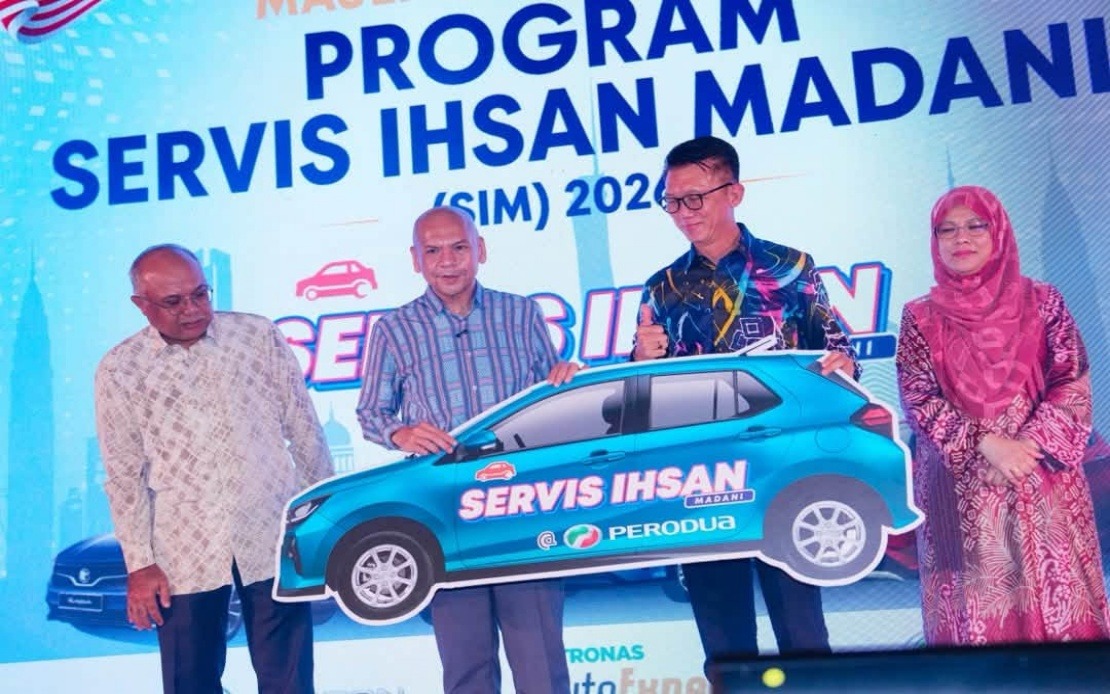
Malaysia's Ministry of Domestic Trade and Cost of Living is broadening access to vehicle maintenance subsidies through a significant expansion of its SIM programme, bringing the benefit to owners of the country's two national automotive brands alongside existing PETRONAS service networks. Minister Datuk Armizan Mohd Ali announced that the initiative would provide customers with an RM70 subsidy towards maintenance services when they book through the respective manufacturers' applications, a move designed to ease financial pressures on vehicle owners while promoting regular upkeep of automobiles across the nation.
The expanded scheme represents a comprehensive approach to nationwide motor maintenance support, with participation reaching across 531 service centres and workshops distributed throughout Malaysia. The network comprises 221 Perodua service centres, 186 Proton facilities, and 124 PETRONAS AutoExpert locations, ensuring coverage across urban and regional areas. This substantial infrastructure means that most vehicle owners will have convenient access to participating outlets, reducing barriers to accessing the subsidised maintenance services and maximizing the programme's reach among Malaysia's vehicle-owning population.
The expansion falls under the broader Payung RAHMAH MADANI initiative, positioning the maintenance subsidy as part of the government's wider strategy to translate the Malaysia MADANI vision of shared prosperity into tangible consumer benefits. The domestic trade ministry framed this development as a collaborative effort alongside industry strategic partners, reflecting an increasingly coordinated approach between government agencies and private sector stakeholders in delivering consumer-focused programmes. By aligning automotive maintenance support with the National Month celebrations, authorities emphasize the connection between everyday cost-of-living relief and national economic wellbeing.
Beyond the immediate financial relief offered through the RM70 subsidy, the programme carries secondary objectives around vehicle safety and maintenance culture. Officials highlighted that reducing maintenance costs serves as an incentive for vehicle owners to undertake regular servicing, thereby promoting preventative care that extends vehicle lifespan and improves road safety outcomes. For Malaysian drivers, particularly those operating vehicles in challenging tropical conditions where maintenance demands are higher than in temperate climates, this dual benefit of affordability and habit formation addresses both immediate budget concerns and longer-term vehicle reliability.
Access to the subsidies operates through digital channels managed by participating service providers, with customers required to book appointments via dedicated mobile applications. This digital-first approach aligns with Malaysia's broader digitalization agenda and reflects the automotive industry's modernization efforts. The requirement for advance booking through apps also provides service centres with better demand forecasting and resource planning capabilities, potentially improving service quality and reducing wait times at facilities.
The National Month 2026 expansion arrives alongside complementary initiatives from the domestic trade ministry and its partners. The ministry simultaneously launched the National Month RAHMAH MADANI Sales Programme, cultural engagement activities including the Batik Hues Exploration Competition and Patriotic Challenge, alongside internal office decoration competitions. This multifaceted approach suggests a holistic strategy combining economic relief measures with cultural and national identity initiatives.
Private sector partners are amplifying the government's efforts through their own National Month offerings. TikTok Shop Malaysia announced the Jualan Ihsan RAHMAH 9.9 online sale event scheduled for September 9, featuring discounts ranging between 10 and 30 percent on selected essential goods. This online sales initiative reflects the growing integration of e-commerce platforms into Malaysia's consumer support strategy, leveraging digital shopping channels to reach younger demographics and urban populations who increasingly conduct retail transactions online.
Prime Minister Datuk Seri Anwar Ibrahim previously endorsed the September 9 online sale event as part of the Malaysia Day 2026 celebrations, indicating high-level government commitment to coordinating multiple consumer benefit initiatives around the national observance period. This coordination suggests a strategic approach to demonstrating government responsiveness to cost-of-living concerns during nationally significant dates, potentially shaping public perception of government effectiveness in addressing economic pressures affecting ordinary households.
For Malaysian motorists, the expanded SIM programme presents a meaningful opportunity to reduce routine maintenance expenses at a time when vehicle ownership costs remain a significant household budgetary item. The RM70 subsidy, while modest in absolute terms, can offset a portion of routine service costs including oil changes, filter replacements, and basic inspections. For households managing multiple vehicles or undertaking frequent maintenance, the cumulative savings across multiple service visits could prove substantial.
The inclusion of both Perodua and Proton reflects the government's investment in supporting the domestic automotive industry beyond manufacturing support. By directing consumer subsidies toward their service networks, authorities effectively stimulate ancillary industry segments including parts suppliers and service technicians. This approach demonstrates how cost-of-living programmes can simultaneously address consumer welfare and domestic industry development objectives.
The programme's expansion to national brands occurs against a backdrop of rising vehicle ownership costs across Southeast Asia. Malaysia, with one of the region's highest vehicle ownership rates, faces particular pressures as fuel prices, insurance premiums, and maintenance costs accumulate across vehicle lifecycles. Subsidized maintenance initiatives address one component of this broader cost structure, offering targeted relief in a specific category while broader structural affordability challenges persist.
From a regional perspective, Malaysia's approach to vehicle maintenance subsidies reflects broader Southeast Asian trends toward direct consumer support programmes as governments seek to manage living cost concerns. The scheme demonstrates how targeted subsidies can be deployed through partnership with private sector infrastructure rather than requiring substantial new government investment in parallel service facilities, offering a cost-effective model potentially adaptable across other services and other regional economies facing similar pressures.

