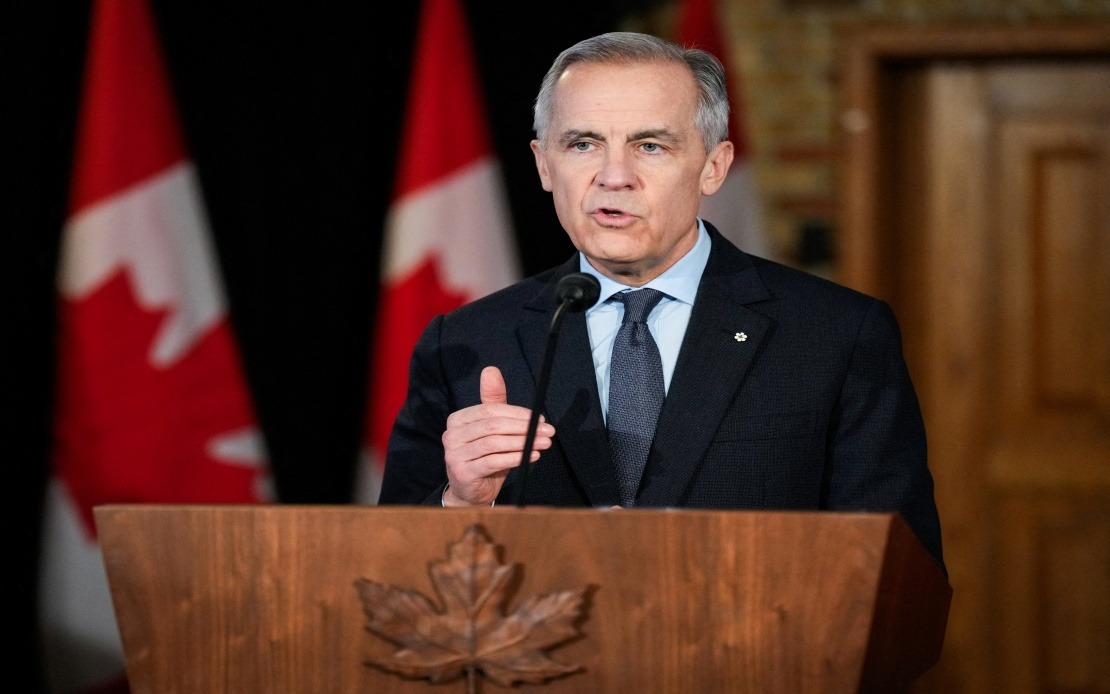
Canadian Prime Minister Mark Carney has confirmed that the temporary suspension of American tariffs on Canadian merchandise will expire at the conclusion of business on August 21, marking a critical juncture in ongoing trade negotiations between the two North American neighbours. The announcement comes as US President Donald Trump indicated overnight into Wednesday that he was prepared to delay the introduction of tariffs set at the 50 per cent level, allowing both governments additional time to reach a final agreement on bilateral commerce.
Carney's statement underscores the delicate balance being maintained at the negotiating table, where substantial headway has reportedly been achieved despite persistent challenges that remain unresolved. The Canadian leader characterized the situation as one in which meaningful progress has been registered, yet emphasized that considerable effort remains necessary before a comprehensive trade deal can be concluded. The brevity of the extension—covering only the next few days—reflects the high-stakes nature of these discussions and the compressed timeline within which both nations must operate.
The 50 per cent tariff threat represents an extraordinarily severe trade barrier that would fundamentally disrupt bilateral commerce and inflict substantial damage on cross-border supply chains that have been deeply integrated over decades of continental trade integration. For Canadian exporters, particularly those in resource extraction, manufacturing, and agricultural sectors, such punitive duties would prove economically catastrophic, rippling through employment figures and corporate profitability across multiple provinces. The pause, therefore, provides a crucial window for diplomats and trade negotiators to forge compromise on the contested issues dividing Washington and Ottawa.
From a Malaysian and Southeast Asian perspective, the Canada-US tariff dispute carries significant ramifications beyond North America's borders. The outcome of these negotiations will likely influence how the Trump administration approaches trade relationships with other nations, including those in the Asia-Pacific region. Malaysia, as a significant trading nation with substantial exports to both North America and complex supply chain relationships spanning multiple countries, could face indirect consequences from whatever tariff architecture emerges from these talks. Observing how Canada navigates this pressure provides instructive lessons for other governments facing similar trade pressures from Washington.
Carney's reaffirmation that Ottawa remains committed to strengthening its economic independence and competitive positioning suggests that Canada is simultaneously preparing contingency strategies should the negotiating window close without agreement. This dual approach—pursuing dialogue while fortifying domestic economic resilience—reflects the pragmatic stance required when dealing with an unpredictable trade policy environment. The Canadian government recognizes that whatever emerges from these talks will shape the commercial landscape for years to come, necessitating both optimism at the negotiating table and realism about potential outcomes.
The extension of the tariff pause until August 21 effectively provides approximately three business days for negotiators to bridge remaining gaps. This compressed timeline suggests that either both parties are genuinely close to an accord, or alternatively, that Washington is deploying deadline pressure as a negotiating tactic to extract additional concessions from Canada. Historical patterns in trade negotiations indicate that breakthroughs frequently occur only after multiple extensions and near-deadline crises, suggesting that August 21 may prove merely one waypoint rather than the final resolution.
For Malaysian businesses and investors, the unfolding Canada-US trade situation merits close monitoring, particularly for companies with North American operations or supply chain dependencies. A negative resolution could accelerate broader trade fragmentation and protectionist trends that would reshape global commerce architecture. Conversely, a successful Canadian-American agreement could establish templates for resolving other bilateral trade disputes and signal a shift toward more cooperative engagement. Either outcome will influence how multinational corporations and Southeast Asian governments strategize their economic positioning.
The negotiations also occur within the broader context of continental integration, where Mexico and the broader North American trading bloc remain relevant considerations. While the headlines focus on Canada-US discussions, the underlying architecture affects the entire region's competitive position in global markets. Southeast Asian nations with manufacturing capabilities in sectors competing with North American producers will face different competitive environments depending on how these tariff dynamics resolve.
As the August 21 deadline approaches, both Canadian and American stakeholders will intensify efforts to either reach compromise or prepare for the severe tariff implementation that would follow deadline expiration. The outcome will reverberate across multiple economic sectors and potentially establish precedents for how Washington conducts trade negotiations with other partners globally. For regional observers in Southeast Asia, understanding these dynamics provides valuable context for anticipating future American trade policy directions and their potential consequences for regional economies.

