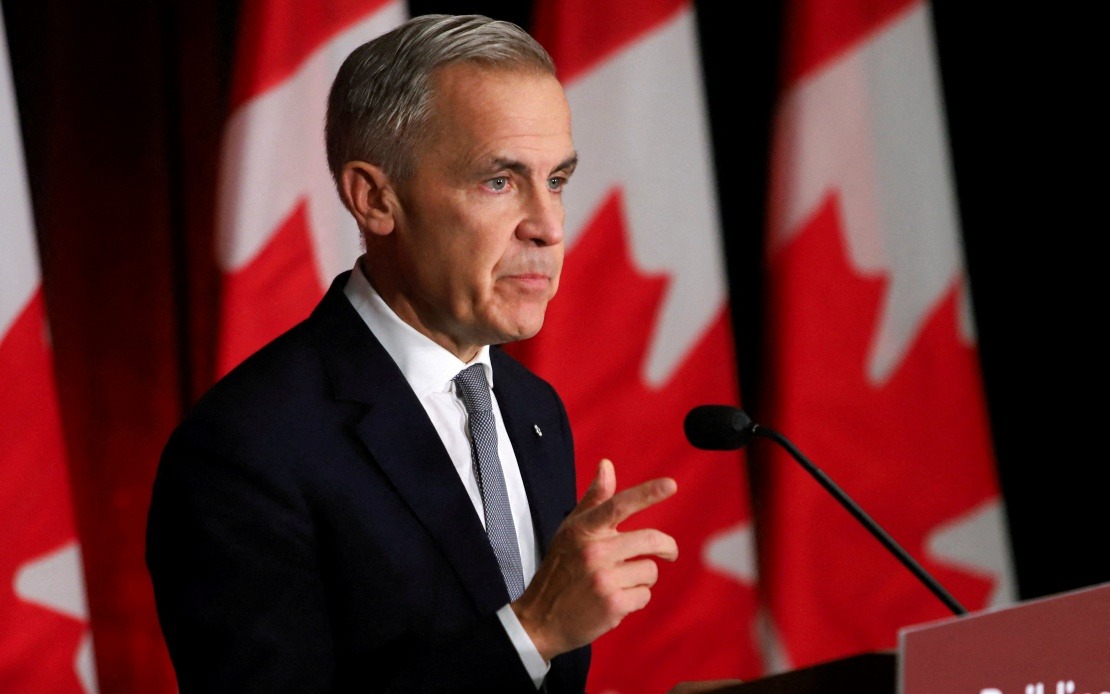
The relationship between Canada and the United States has entered a new phase of tension following recent unilateral tariff actions from Washington, prompting both nations to signal an intention to resolve their differences through intensified dialogue. Canadian Prime Minister Mark Carney confirmed on Tuesday that he had engaged directly with US President Donald Trump, with both leaders agreeing to accelerate trade negotiations in the weeks ahead. The move represents an attempt to de-escalate mounting commercial friction between the two neighbours, though the underlying dispute over trade practices remains unresolved.
Carney's remarks came in the wake of Trump's decision on Monday to sign three proclamations introducing an additional 50 per cent tariff on specified Canadian merchandise. The American administration justified the action by asserting that Canada had engaged in discriminatory practices targeting US commerce. The escalation reflects a broader pattern of protectionist measures that have characterised Trump's approach to bilateral and multilateral trade relations, signalling a significant departure from the more traditional free-trade frameworks that have governed North American commerce for decades.
The announced tariffs will target several key sectors of the Canadian economy when they take effect on August 19. Dairy products, alcoholic beverages, motor vehicles and associated components represent the primary targets of these duties, according to documentation released by the White House. These sectors are particularly sensitive within the Canadian economy, with motor vehicle manufacturing and dairy farming constituting significant employment and revenue sources across multiple provinces. The timing of the implementation gives both nations a compressed window to negotiate before the measures become operational.
Notably, the Trump administration has carved out exemptions for certain Canadian resource exports. Energy products, potash, fish and critical minerals will be spared from the additional tariff burden. The selective nature of these exemptions suggests that Washington's approach reflects strategic calculations regarding which sectors it views as priorities for negotiation or which have sufficient political influence to secure preferential treatment. For Malaysia and other Southeast Asian nations closely monitoring North American trade dynamics, these exemptions highlight how tariff regimes often serve broader geopolitical objectives beyond simple protectionism.
Carney responded swiftly to Monday's tariff announcement, characterising the measures as violations of the Canada-United States-Mexico Agreement, the trilateral trade pact that has governed North American commerce since 2020. His criticism underscores a fundamental disagreement between the two governments regarding the legality and justification for unilateral tariff action within the framework of existing trade accords. The Canadian position centres on the argument that such measures circumvent established dispute-resolution mechanisms and undermine the predictability essential for commercial relationships.
The prime minister indicated that Canada is prepared to consider multiple response options should the tariffs proceed to implementation. While Carney did not specify what retaliatory measures Ottawa might pursue, the statement signals that the Canadian government is contemplating reciprocal actions across various economic sectors. This tit-for-tat dynamic, characteristic of trade disputes, risks creating a spiral of escalating protective measures that could ultimately harm consumers and businesses in both countries through higher prices and reduced market access.
For Southeast Asian nations like Malaysia, this Canadian-American dispute carries significant implications. The region has positioned itself as an alternative manufacturing and export hub, particularly as supply chains diversify away from China and traditional North American suppliers face tariff uncertainty. Malaysian manufacturers in automotive components, electronics and agricultural products may find themselves benefiting from corporate decisions to relocate production or diversify sourcing away from North America. However, the unpredictability of the current trade environment also creates risks for Malaysian exporters who depend on integrated North American markets.
The fundamental issue underlying this dispute extends beyond the immediate tariff controversy. It reflects deeper questions about the future direction of North American trade relations and whether the Trump administration views the existing trilateral framework as sufficiently protecting American interests. Canada's vulnerability as a trading partner—given its geographical proximity to the United States and its integration into North American supply chains—means that tariff threats carry outsized influence on Canadian policy decisions. The compressed negotiation timeline before August 19 creates pressure on both sides to reach accommodation quickly.
The agreement to intensify negotiations represents a tentative step toward resolution, yet significant obstacles remain. Washington's assertion that Canada discriminates against US commerce must be addressed substantively, and the Canadian government must determine whether it can accommodate American demands without undermining its own economic interests or violating its obligations under the trilateral agreement. The coming weeks will demonstrate whether diplomatic channels can defuse this escalating tension or whether the August 19 implementation date will mark the beginning of a prolonged trade conflict that extends uncertainty across North America and ripples through global supply chains that connect the region to Southeast Asia and beyond.

