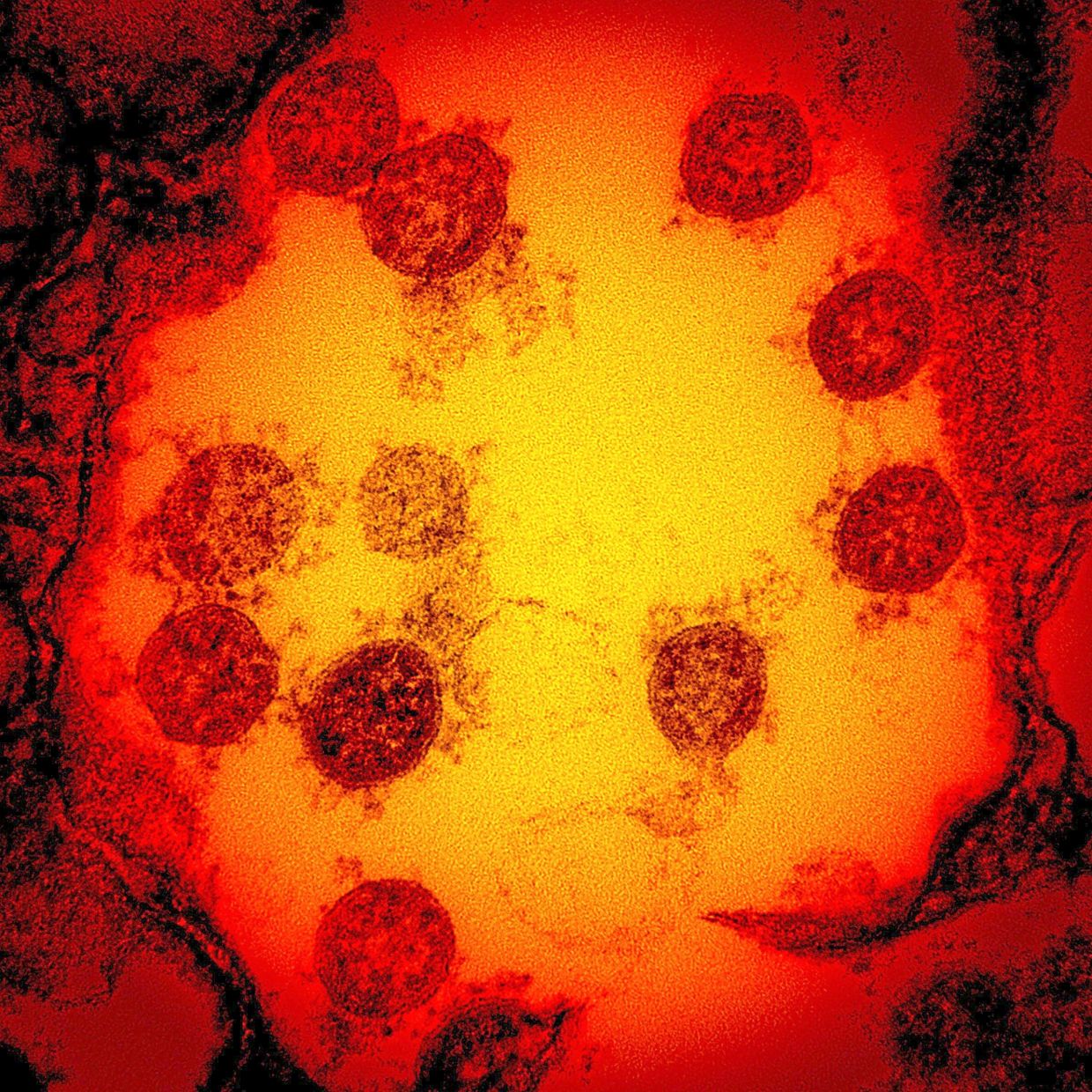
A revolutionary vaccine technology developed at Cambridge University offers hope of protection against entire families of viruses rather than individual strains, potentially changing how the world responds to emerging infectious diseases. The AI-driven approach, which researchers liken to possessing a universal "master key" rather than a specific lock, represents a fundamental shift in vaccine design philosophy and could reshape pandemic preparedness for decades to come.
The conventional vaccine model, according to Professor Jonathan Heeney of Cambridge's Department of Veterinary Medicine, suffers from a critical flaw: it is inherently reactive. Vaccines are formulated against specific virus strains currently circulating, yet by the time populations receive these vaccines, the virus may have already mutated into a different form. This perpetual lag between vaccine development and actual virus evolution means that conventional immunisation programs are essentially "chasing the virus" rather than staying ahead of it. The new technology aims to break this cycle by identifying common features across multiple virus variants that trigger immune responses, creating a single vaccine capable of neutralising an entire class of pathogens regardless of minor genetic variations.
Professor Heeney's commitment to this project was crystallised by the catastrophic 2013-2016 Ebola outbreak in West Africa, where he was working at the time. The initial confusion surrounding the outbreak—with cases initially misdiagnosed as Lassa fever, gastroenteritis, or cholera—delayed response efforts by three or four months. During this critical window, the disease spread rapidly from Guinea across Sierra Leone to Liberia. The epidemic ultimately claimed approximately 11,300 lives according to the World Health Organization, with healthcare workers constituting a significant proportion of victims. This harrowing experience convinced Heeney and his team that vaccine development protocols required fundamental restructuring, transforming them from retrospective measures into prospective defences.
The Cambridge team's approach harnesses artificial intelligence to analyse vast quantities of data about various viruses simultaneously. Rather than examining individual pathogens in isolation, researchers used computational methods to identify patterns—both similarities and differences—within the genomic regions that trigger immune system recognition. This analytical framework allows the technology to recognise not merely one virus variant, but comprehensively across all known iterations within a virus family. The methodology essentially teaches the immune system to recognise a common "fingerprint" shared by multiple virus strains, providing protection before exposure occurs.
For Southeast Asia and Malaysia specifically, this development carries substantial implications. The region's vulnerability to emerging infectious diseases has been repeatedly demonstrated through outbreaks of dengue, avian influenza, and coronavirus variants. Population growth, expanding trade networks, and ongoing deforestation increase contact between human and animal populations, creating conditions favourable for zoonotic spillover events. Professor Heeney emphasises that contemporary viral emergence patterns differ markedly from historical patterns, driven by demographic pressures and geographical disruption. Viruses previously confined to animal reservoirs, where host populations possessed genetic resistance, encounter humans lacking any natural immunity. The result is often explosive transmission with devastating consequences.
Influenza represents Heeney's particular concern. The 1918-1920 pandemic killed an estimated 25 to 50 million people globally, yet modern influenza strains remain difficult to predict and control. Unlike some other respiratory viruses with relatively stable genetics, influenza undergoes frequent antigenic shift, rendering annual vaccine formulations rapidly obsolete. A universal influenza vaccine platform could provide lasting protection across multiple seasonal and pandemic strains, fundamentally improving public health security. This possibility directly benefits Malaysian healthcare systems, which currently expend considerable resources managing seasonal flu campaigns and preparing for potential pandemic scenarios.
The technology has progressed beyond theoretical development. A clinical trial involving 39 volunteers, sponsored by University Hospital Southampton and developed jointly with British biotechnology firm DIOSynVax, has already been conducted and published. Results from this preliminary safety and efficacy study have now advanced the technology toward larger-scale human trials. This progression from laboratory concept to human testing represents a significant validation milestone, though additional development phases remain necessary before widespread deployment.
The integration of increasingly sophisticated artificial intelligence into vaccine development represents another transformative layer. Professor Heeney notes that his team now employs cutting-edge machine learning systems far more powerful than those available during initial project conception. These enhanced computational capabilities enable analysis of exponentially larger datasets, accelerating the identification of immunologically significant viral features and refining vaccine designs with greater precision. This technological evolution suggests that vaccine development timelines could compress dramatically, a capability of paramount importance when facing newly emerged pathogens with pandemic potential.
The broader implications extend beyond individual disease control. Successfully demonstrating this universal vaccine platform could catalyse a paradigm shift across the entire biotechnology and pharmaceutical sectors. Rather than developing vaccine after vaccine for each emerging pathogen or viral variant, manufacturers could increasingly focus on creating modular platforms capable of rapid adaptation to novel threats. This approach promises greater efficiency, reduced development costs, and faster response capabilities—improvements that would benefit healthcare systems globally, particularly in resource-limited settings where rapid vaccine access remains challenging.
For Malaysia and the broader Southeast Asian region, access to such technology could transform pandemic preparedness. Currently, the region often depends on vaccine supplies developed in and distributed from wealthier nations, creating supply chain vulnerabilities and access delays during crisis situations. Universal vaccine platforms might enable regional biotechnology firms to develop locally-manufactured vaccines more quickly and affordably. This technological democratisation could strengthen regional health security independence whilst reducing reliance on international supply chains.
Professor Heeney expresses cautious optimism about the technology's potential whilst acknowledging the work ahead. His priority now is demonstrating safety and efficacy to the international scientific and regulatory community, convincing policymakers and manufacturers that this approach warrants investment and adoption. The research must also address practical manufacturing scalability, ensuring that revolutionary laboratory findings translate into accessible, affordable vaccines deployable during actual public health crises. Only through sustained development and real-world validation can this technology fulfil its promise of transforming pandemic prevention from a reactive scramble into a proactive, science-based endeavour.

