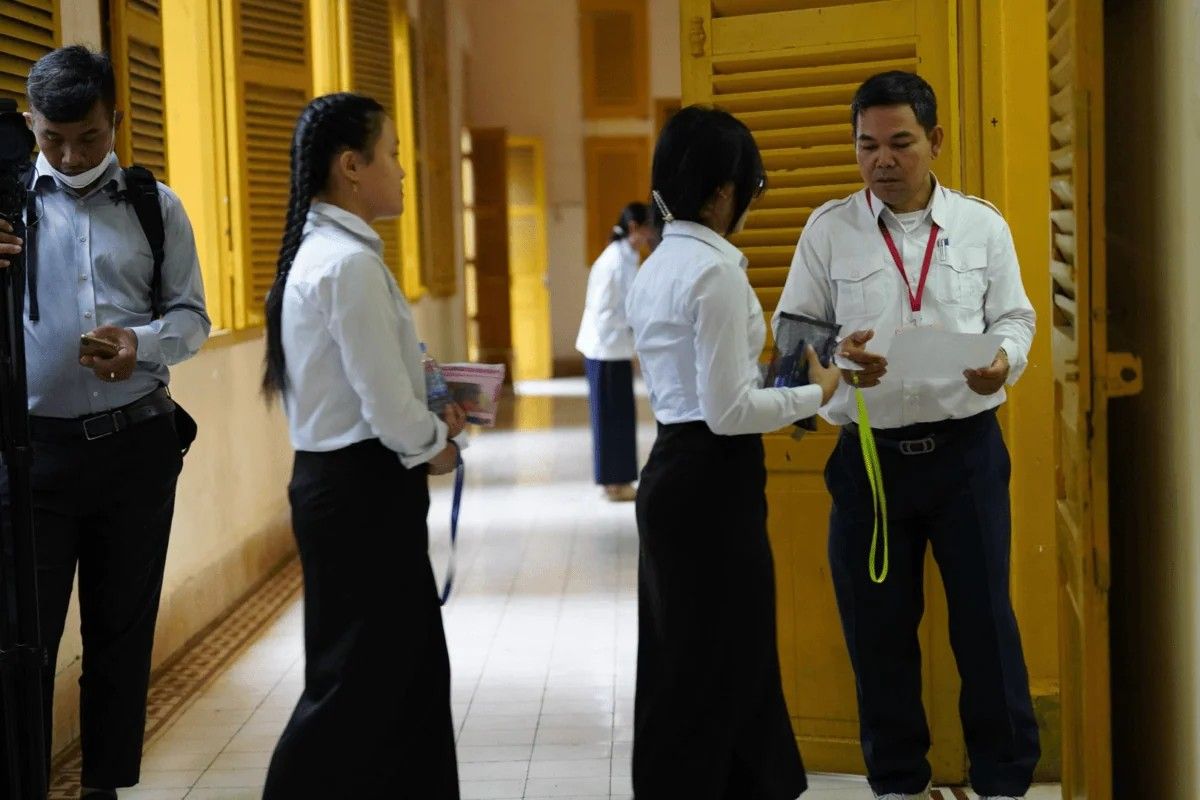
Cambodia's annual high school graduation examinations began on August 10 with more than 150,000 candidates taking their finals across examination centres nationwide. The milestone represents a return to normalcy for the Kingdom's education system, though the shadow of last year's border conflict continues to complicate the testing process for thousands of displaced students unable to access their regular classrooms.
The examination intake encompasses two distinct academic streams: over 37,000 students pursuing the science track and more than 130,000 enrolled in the social sciences pathway. This substantial volume of test-takers underscores the scale of Cambodia's education system and the logistical complexity involved in administering simultaneous examinations across multiple provinces and examination centres. The diversity of subjects and skill levels being assessed reflects the Kingdom's structured approach to certifying secondary school completion and determining university admission eligibility.
Education Minister Hang Chuon Naron opened the examination period by acknowledging the dramatically improved circumstances compared to the previous year's crisis-period testing. In 2025, the Grade 12 exams were conducted on August 28—merely one month after the initial armed confrontations erupted along the Cambodia-Thailand border. The compressed timeline and proximity to active military conflict created extraordinary hardship for students attempting to concentrate on rigorous academic assessments amid widespread displacement and security concerns affecting communities in border zones.
The Minister offered particular commendation to students who persevered through extraordinary adversity during last year's examinations. He recounted meeting a student from Oddar Meanchey province whose family had been forced to flee their home amid Thai attacks. The student's family resorted to learning on tractors as they evacuated the conflict zone, yet despite these harrowing conditions, the pupil achieved an 'A' grade and subsequently gained admission to a quality higher education institution. Such accounts illustrate the resilience of Cambodian learners facing circumstances far beyond ordinary examination stress.
The most persistent obstacle to educational normalcy remains the continued occupation of 25 schools by Thai forces in border provinces. These facilities remain inaccessible to their regular student populations, forcing educational authorities to arrange alternative learning arrangements for displaced cohorts. The Royal Government has formally demanded that all occupied schools be returned and that students be permitted to resume classes in their original classrooms. However, these diplomatic overtures have yielded minimal tangible results in reopening facilities and restoring regular educational operations.
Current alternative provisions remain inadequate to the scale of displacement. Only students from Banteay Mean Rith Lower Secondary School in Oddar Meanchey province have been accommodated in temporary learning camps, leaving the majority of students from the 25 closed schools without formal classroom instruction. This fragmented approach to continuing education creates persistent disadvantage for affected pupils and raises concerns about educational equity and long-term learning outcomes for an entire cohort of Cambodian youth.
Corruption prevention has become a central focus for this year's examination administration, following revelations that mathematics examination papers were leaked during the previous year's testing period. The Anti-Corruption Unit has deployed more than 4,000 observers to monitor examination centres, matching the deployment level from 2025. These monitors will maintain surveillance across all testing venues to detect irregularities, prevent unauthorised access to examination materials, and ensure procedural integrity throughout the testing period.
Education officials have emphasised that thorough organisational planning and rigorous enforcement mechanisms will combine with observer participation from diverse stakeholders to prevent the recurrence of last year's security breaches. The systematic stationing of observers at examination centres represents a visible commitment to transparent testing processes and fair assessment standards. Their presence serves both as a deterrent to potential wrongdoing and as documentation of compliance with established examination protocols.
The resumption of Grade 12 examinations under more stable conditions reflects Cambodia's determination to maintain educational continuity despite international border tensions. For most candidates across the Kingdom's provinces, the testing environment in 2024 represents a marked improvement over the previous year's crisis circumstances. However, the persistent displacement of thousands of border-region students from 25 occupied schools remains a stark reminder that the border dispute continues to inflict tangible costs on Cambodia's education system.
The successful administration of these examinations will depend substantially on the vigilance of anti-corruption observers and the discipline of examination administrators in maintaining testing integrity. Beyond the immediate assessment process, the true measure of success will be whether displaced students eventually regain access to their schools and whether the border occupation that continues disrupting education can be resolved through diplomatic channels. Until Thai forces withdraw from occupied Cambodian territory, the fundamental inequity affecting border-region students will persist as a challenge to the Kingdom's broader educational equity objectives and its commitment to universal access to quality schooling.

