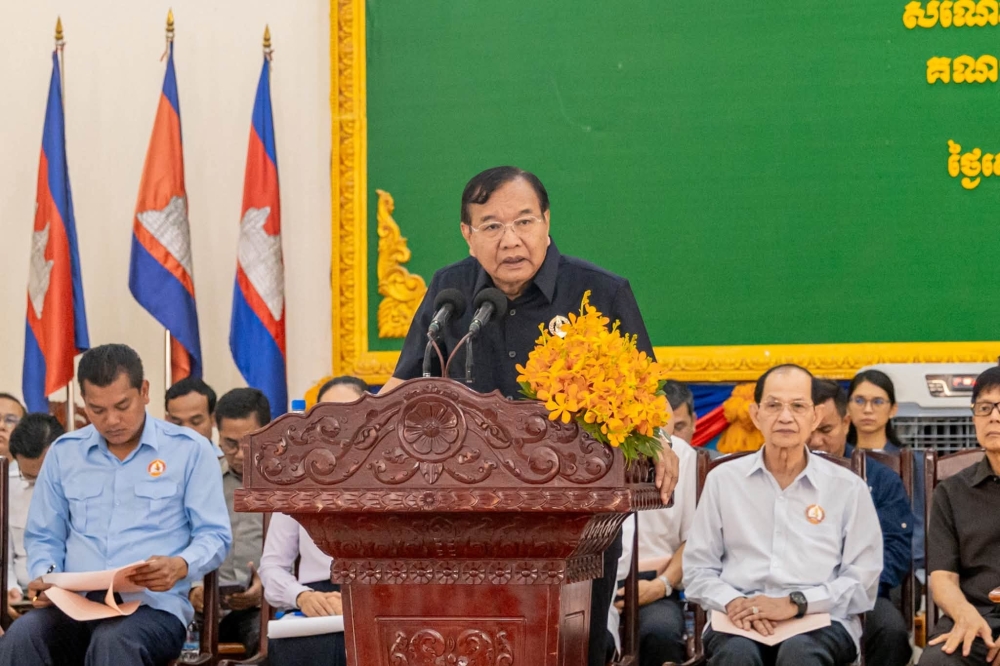
Cambodian Deputy Prime Minister and Minister of Foreign Affairs and International Cooperation Prak Sokhonn touched down in Malaysia on August 3, arriving at Kuala Lumpur International Airport to begin a scheduled two-day official visit. The high-level diplomatic engagement underscores the importance both nations place on maintaining and strengthening their bilateral relationship within the broader ASEAN framework.
This visit represents a significant moment in Cambodia-Malaysia relations, coming at a time when Southeast Asia is navigating complex regional dynamics and economic challenges. The presence of a senior Cambodian official at the ministerial level signals commitment from Phnom Penh to engage constructively with Kuala Lumpur on matters of mutual concern, ranging from trade and investment to regional security and cooperation mechanisms.
The timing of Prak Sokhonn's visit carries implications for ASEAN cohesion and the effectiveness of regional diplomacy. As both nations hold active roles within the regional bloc, their interactions often reflect broader patterns of cooperation or friction within the association. Malaysian officials have historically prioritised deep engagement with Cambodia, recognising the country's strategic position in mainland Southeast Asia and its role in ASEAN decision-making processes.
During his time in Malaysia, Prak Sokhonn is expected to hold meetings with Malaysian counterparts to discuss bilateral matters. The Foreign Minister's dual portfolio—combining foreign affairs with international cooperation—suggests discussions may extend beyond traditional diplomatic channels to encompass development partnerships, people-to-people exchanges, and coordination on regional issues where both countries share interests.
Cambodia's foreign policy under Prime Minister Hun Manet has shown distinct patterns of balancing relationships across major powers while prioritising ASEAN solidarity. Prak Sokhonn, as a key architect of this diplomatic approach, brings considerable experience in navigating the intricate web of regional and international relations that define contemporary Southeast Asian geopolitics. His presence in Malaysia provides an opportunity to calibrate bilateral ties and address any outstanding issues that may require high-level attention.
Trade and economic cooperation typically feature prominently in such ministerial visits. Malaysia remains an important trading partner for Cambodia, with bilateral commerce covering diverse sectors including textiles, rubber products, and increasingly, services and technology. The visit may provide a platform to discuss expanding economic ties and exploring new avenues for investment, particularly in sectors aligned with Cambodia's development priorities and Malaysia's economic transformation agenda.
Regional security matters are also likely to feature in discussions, given the evolving security landscape in Southeast Asia. Both nations share concerns about maritime security in the Andaman Sea and the wider Indian Ocean region, as well as transnational challenges including human trafficking, drug smuggling, and cybersecurity threats. ASEAN mechanisms for addressing these issues require coordinated action from member states, making bilateral consultations valuable for ensuring aligned positions in multilateral forums.
The cultural and diplomatic dimensions of Cambodia-Malaysia relations extend beyond official channels. Both nations maintain people-to-people connections through diaspora communities, educational exchanges, and tourism flows. Prak Sokhonn's visit provides symbolic reaffirmation of these broader ties, signalling to civil society organisations and business communities in both countries that their respective governments remain committed to fostering deeper mutual understanding.
From Malaysia's perspective, engaging senior Cambodian officials reflects the broader ASEAN-centric foreign policy that emphasises dialogue and consensus-building. Malaysia has long positioned itself as a bridging nation within ASEAN, and hosting visits from fellow regional leaders reinforces this role. Such engagements contribute to the web of relationships that make ASEAN function as an effective collective voice in international affairs.
The visit also provides an opportunity for both nations to coordinate positions ahead of upcoming ASEAN meetings and international forums. Cambodia's rotating ASEAN leadership or active committee participation at any given time influences how bilateral relationships are prioritised. Close communication at the ministerial level ensures that both countries can support each other's initiatives and present unified positions on issues of collective concern to the bloc.
Looking ahead, the outcomes of this official visit will likely be documented through joint statements or bilateral communiqués, which serve as formal records of agreed positions and future cooperation frameworks. These documents carry significance beyond diplomatic protocol, as they often guide implementation of cooperative programmes and provide reference points for ongoing engagement at various governmental levels.
As Southeast Asia continues to grapple with geopolitical tensions, economic uncertainties, and transnational challenges, bilateral visits of this nature remind member states of the importance of sustained dialogue and partnership. The Cambodia-Malaysia relationship, though sometimes overshadowed by larger regional powers' activities, remains a steady pillar of ASEAN stability and represents the kind of sustained engagement that keeps the regional organisation cohesive and functional.

