Cambodia's Ministry of Environment has taken enforcement action against a battery and metal recycling facility in Kampong Speu province following a major industrial fire that killed thousands of animals and exposed dangerous gaps in the country's hazardous waste management oversight. The incident, which occurred on July 29 at a site in Tuol Sambour village, Damnak Raing commune, has raised alarm bells about the risks posed by rapidly expanding e-waste processing operations in Southeast Asia and the need for stricter regulatory controls.
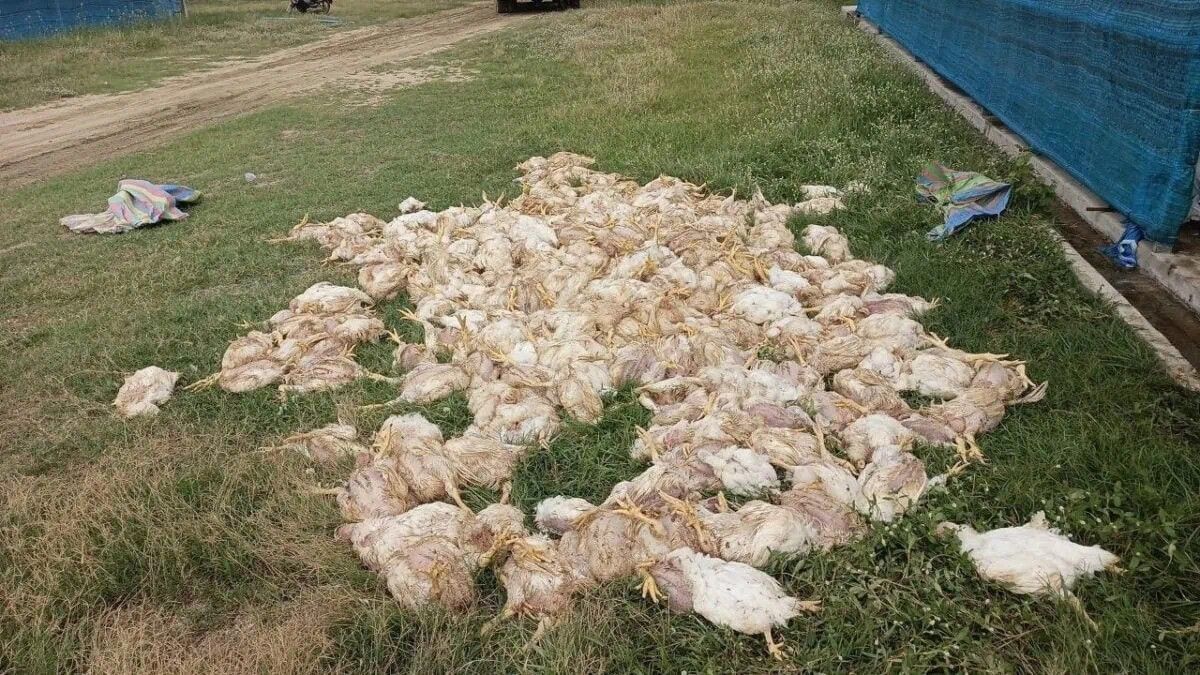
The fire's immediate toll on the surrounding community became apparent within hours of the blaze. A neighbouring poultry farm housing up to 20,000 birds suffered catastrophic losses, with approximately 2,000 chickens succumbing to toxic smoke generated by the burning batteries and materials stored at the facility. Officials who inspected the site the day after the fire found residential buildings located just 50 metres away, meaning families had been living dangerously close to an improperly managed hazardous waste operation. The proximity of both dwellings and the livestock operation to the recycling plant underscores the haphazard spatial planning that often characterises industrial zones in developing Southeast Asian economies.
Investigators traced the fire's origin to the improper storage of lithium batteries that had not been handled according to established environmental safety protocols. The intense heat triggered a series of explosions, each one releasing further waves of noxious smoke and pollutants across the local area. Even 24 hours after the initial outbreak, the site continued to emit thick smoke, with discarded batteries exploding intermittently and preventing emergency personnel and environmental officials from accessing the storage areas where tons of used batteries and assorted battery waste had been carelessly stockpiled. This ongoing hazard illustrated the chaotic state of the facility's operations and the absence of any systematic fire suppression or containment systems.
The environmental and health consequences extended well beyond the immediate fire zone. The Ministry of Environment's inspection team detected dangerously elevated levels of air pollution at and around the site, prompting urgent public health advisories aimed at protecting vulnerable populations. Authorities issued guidance urging residents in smoke-affected areas to wear protective face masks when venturing outdoors and to take precautions against contamination of food and water supplies. Children, elderly residents, and people with pre-existing respiratory conditions were specifically identified as requiring heightened vigilance, with the ministry encouraging anyone displaying symptoms of exposure to seek prompt medical care.
The discovery of serious regulatory violations compounded the immediate crisis. Investigators found that the facility had commenced operations without preparing the mandatory Environmental Impact Assessment—a critical oversight for any industrial project handling hazardous materials. The company also lacked the requisite permits for collecting, storing, and recycling used batteries and battery waste. These breaches violated multiple articles of Cambodia's Environment and Natural Resources Code, specifically those addressing the absence of environmental assessments and the unauthorised handling of hazardous waste. The violations reflected either gross negligence or deliberate circumvention of legal requirements to accelerate operations and reduce compliance costs.
The facility's operational history added another layer of regulatory concern. The Ministry of Industry, Science, Technology and Innovation had approved the site in December of the previous year, and the company had begun a one-month trial operation earlier in the year with the ostensible purpose of purchasing and processing used batteries to extract valuable metals for resale. In principle, such recycling operations address legitimate environmental needs by preventing e-waste from accumulating in landfills and recovering valuable materials that would otherwise be lost. However, this facility's rapid transition from approval to unsupervised large-scale operations, coupled with the absence of critical safety infrastructure and environmental safeguards, exemplified the risks of permitting expansion without corresponding enforcement capacity.
Regulatory enforcement proved swift in the aftermath. The Ministry of Environment imposed financial penalties on the company and ordered it to pay compensation for the environmental damage inflicted on surrounding land, water sources, and air quality. Beyond fines, authorities mandated that the operation cease at its current location and relocate elsewhere—a measure reflecting the recognition that the site's proximity to residential areas and agricultural operations made it unsuitable for continued use. The relocation order, while sensible from a public health perspective, also raised questions about whether any alternative location in Cambodia would meet appropriate environmental and safety standards, or whether the company would simply replicate the same violations elsewhere.
The incident carries significant implications for Malaysia and other Southeast Asian nations engaged in the growing battery recycling industry. As electric vehicle adoption accelerates across the region and consumer electronics consumption increases, the volume of batteries requiring recycling will surge dramatically. Without robust regulatory frameworks, adequate enforcement resources, and investments in proper recycling infrastructure, countries risk repeating Cambodia's experience. The e-waste and battery recycling sector requires specialised technical expertise, sophisticated equipment, and stringent safety protocols that many smaller operators in the region have yet to develop or embrace.
The Cambodia case underscores how informal or inadequately regulated recycling operations can pose cascading risks to communities. The toxic exposure affecting residents and livestock suggests that hazardous waste processing cannot be safely conducted adjacent to populated areas. Southeast Asian governments must recognise that permitting recycling facilities requires not only issuing initial approvals but establishing ongoing compliance monitoring systems, conducting unannounced inspections, and imposing meaningful penalties for violations. The absence of an Environmental Impact Assessment before operations commenced at the Kampong Speu site represents a fundamental failure of administrative oversight that must be addressed through stronger governance frameworks across the region.

