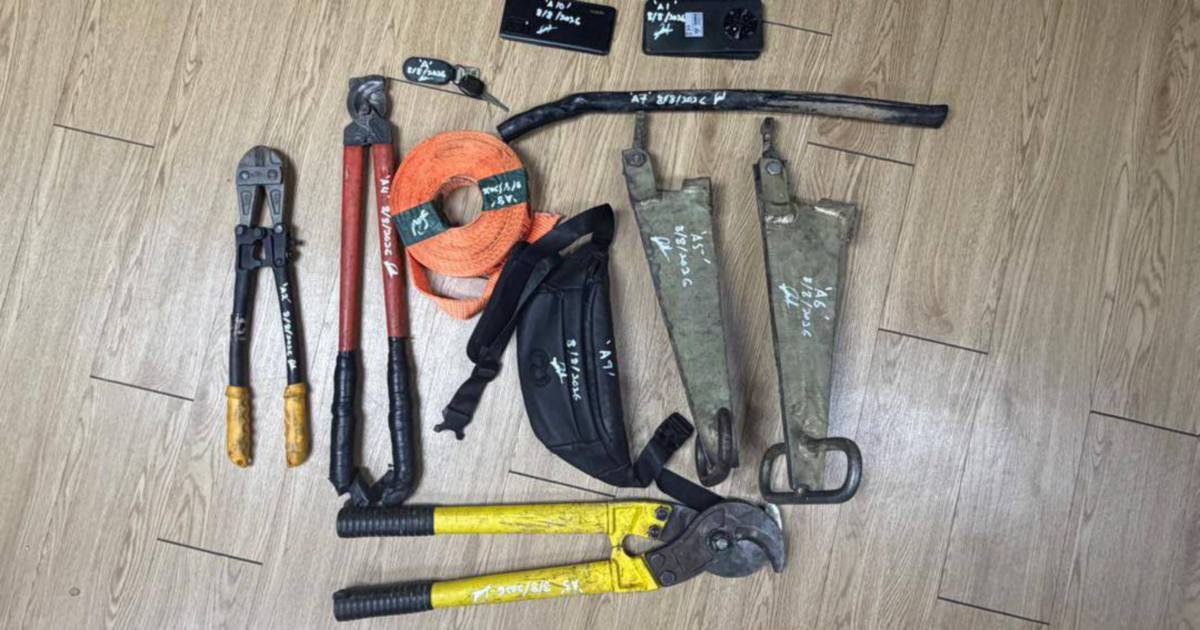
A man suspected of cable theft has been arrested following an exhausting 50-kilometre pursuit across Melaka that ended when his vehicle struck a support cable in the Sungai Chohong area of Jasin in the early hours of the morning. The arrest caps off a dramatic escalation from what authorities believe was a routine industrial theft, transforming into a high-speed chase that tested police response capabilities across the state.
The incident underscores a persistent problem afflicting Malaysia's infrastructure maintenance operations. Cable theft has become increasingly common across the country, with thieves targeting copper and aluminium wiring from electrical grids, telecommunications networks, and construction sites. The materials command ready sale in scrap metal markets, where dealers—sometimes knowingly, sometimes through inadequate verification—purchase stolen goods without proper verification of their origin.
The circumstances that prompted police engagement remain under investigation, though authorities likely detected the suspect either fleeing a theft scene or moving stolen materials through the district. The decision to pursue the vehicle across such a distance indicates that officers had reasonable grounds to believe the individual posed an immediate threat or was actively engaged in criminal activity. The extended chase raises questions about the suspect's desperation and the apparent determination of police units to apprehend him before he could vanish into less densely policed areas.
The collision with the support cable presents an intriguing final chapter to the pursuit. Whether the suspect deliberately steered into the structure, lost control while attempting evasive manoeuvres, or simply misjudged his trajectory remains unclear. What is certain is that the impact brought the vehicle to a halt, preventing further flight and enabling officers to take him into custody. This outcome, while preventing the suspect from escaping, also raises safety concerns—such collisions with critical infrastructure can disrupt utility services or create secondary hazards for other road users in the vicinity.
For Malaysian readers, this incident reflects broader infrastructure security challenges facing the country. Cable theft generates cascading problems: disrupted telecommunications services affecting businesses and households, compromised electrical supply chains, and costly replacement and repair bills that ultimately burden utility companies and their customers. When thieves target critical infrastructure components, they effectively levy a hidden tax on the broader economy through service interruptions and elevated maintenance costs.
The Melaka and Jasin areas, spanning the 50-kilometre pursuit route, include industrial zones, electrical substations, and telecommunications facilities that represent attractive targets for organised and opportunistic theft operations. The alleged perpetrator's familiarity with the area, demonstrated by his ability to navigate during a high-speed chase, suggests he may have conducted reconnaissance or operated in the region previously. This pattern is consistent with how professional theft rings identify vulnerable sites and plan extraction methods.
Police coordination across multiple districts during the pursuit was essential to its eventual success. The chase likely involved checkpoints, radio communication between units, and tactical decisions about when and how to attempt vehicle immobilisation. The fact that the suspect's vehicle ultimately collided with infrastructure rather than being forcibly stopped raises questions about whether police employed controlled intervention techniques or allowed the situation to resolve through circumstances beyond their direct control.
The arrested individual now faces multiple potential charges, including cable theft and evading police. Additional offences related to reckless driving, damage to infrastructure, or endangering other road users may be added depending on further investigation. The disposition of his case will provide important signals about how seriously Malaysian courts treat infrastructure theft, a factor that could influence deterrence levels among potential offenders.
Larger systemic responses to this problem require coordination among utility companies, law enforcement, and regulatory agencies. Better site security, surveillance systems, and scrap metal dealer licensing regimes can reduce theft opportunities and make it harder to convert stolen materials into cash. Some jurisdictions have experimented with GPS tracking of high-risk materials and temporary asset marking to complicate the downstream sale of stolen goods.
For businesses and residents relying on utilities across Melaka and the surrounding region, this arrest provides temporary reassurance but represents only one incident in a larger pattern. The underlying economics of cable theft—strong metal prices, ready demand from legitimate recyclers accepting dubious materials, and relatively low detection rates—remain favourable for would-be thieves. Until these structural incentives change through more rigorous enforcement and market reforms, similar incidents will likely continue to disrupt Malaysian infrastructure and impose costs on the broader economy.

